10-Day Bulgaria Itinerary: Complete Travel Guide & Highlights of Bulgaria
This 10-day Bulgaria itinerary covers some of the country’s most beautiful and diverse places, from ancient cities to mountain landscapes and the Black Sea coast.
I took this trip with my mum, as I do every year when we explore a new country together, and Bulgaria turned out to be one of those destinations that feels surprisingly varied for its size and easy to plan. Over ten days, we combined coastal relaxation in Burgas, cultural city breaks in Plovdiv and Sofia, and a hiking escape in the Rila Mountains , creating an interesting route that balances history, food, scenery and a bit of adventure. And we did not feel rushed at all.
Please note that this post included affiliate links, when you decide to purchase anything through these links I get a small commission at NO extra cost to you, it helps me to keep running this blog! I only promote products and services I use or would use myself. All images are the property of Postcards from the World and cannot be used without permission.
10-day Bulgaria itinerary: main stops
Most people seem to visit Bulgaria mainly for the seaside as it is knows for long stretches of sandy beaches. Usually, this is not my style of travelling (unless I go to Seychelles or Maldives, where it is all about the beach and nature). As I take my mum somewhere new every year, I wanted this 1-day Bulgaria itinerary to be diverse with beach option, historical places and breathtaking nature, which Bulgaria definitely has plenty.
Burgas
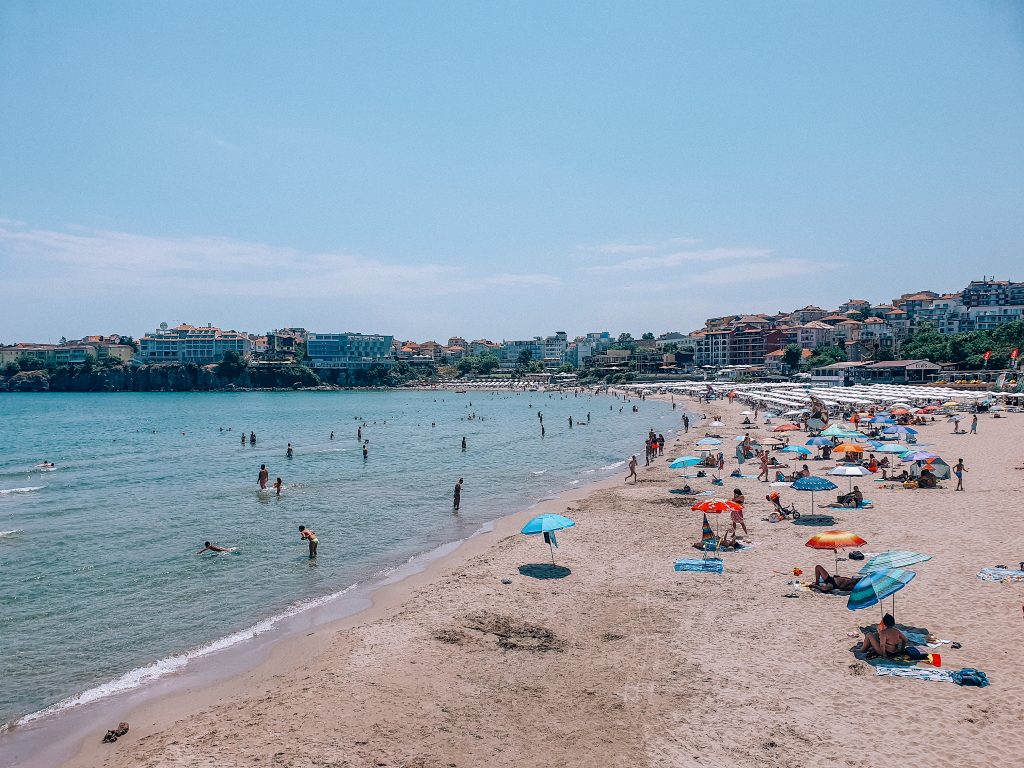
Burgas is the perfect introduction to Bulgaria’s coastal side. We stayed there for four days with a couple of side trips. It’s a relaxed seaside city that feels more local than touristy, with long promenades, leafy parks and a calm Black Sea atmosphere. It was also a convenient base as we landed at Burgas airport.
We spent our first days here slowly adjusting to the pace of travel, walking along the Sea Garden, eating fresh seafood, and enjoying the wide beaches just outside the city centre. Burgas is also a great base for exploring the surrounding coastline, and it works especially well if you want a softer start before moving inland. I don’t think Burgas is a good place for a charming town vibes, for that you need to go to other places, but it is nice for the beach.
Where to stay in Burgas
Finding right accommodation is not that difficult in Burgas as the city is small enough and has quite good public transportation. For me, the most important thing was to stay within a walking distance to the beach.
- The best hotel in Burgas for both location and overall quality is Primoretz Grand Hotel & Spa. It sits directly next to the Sea Garden and beachfront, which is easily the most pleasant part of the city, while still being within walking distance of the centre, restaurants and marina area. The hotel feels much more upscale than most accommodation in Burgas, with spacious rooms, sea views, indoor and outdoor pools and one of the few stays in the city that genuinely feels like a coastal resort. For a first visit to Burgas, the location is hard to beat because you can combine beach access with city exploring without needing transport.
- Another excellent option closer to the modern centre is Hotel Bulgaria, especially if you prefer being directly in the middle of shops, cafés and transport connections rather than by the sea.
Side trips from Burgas:
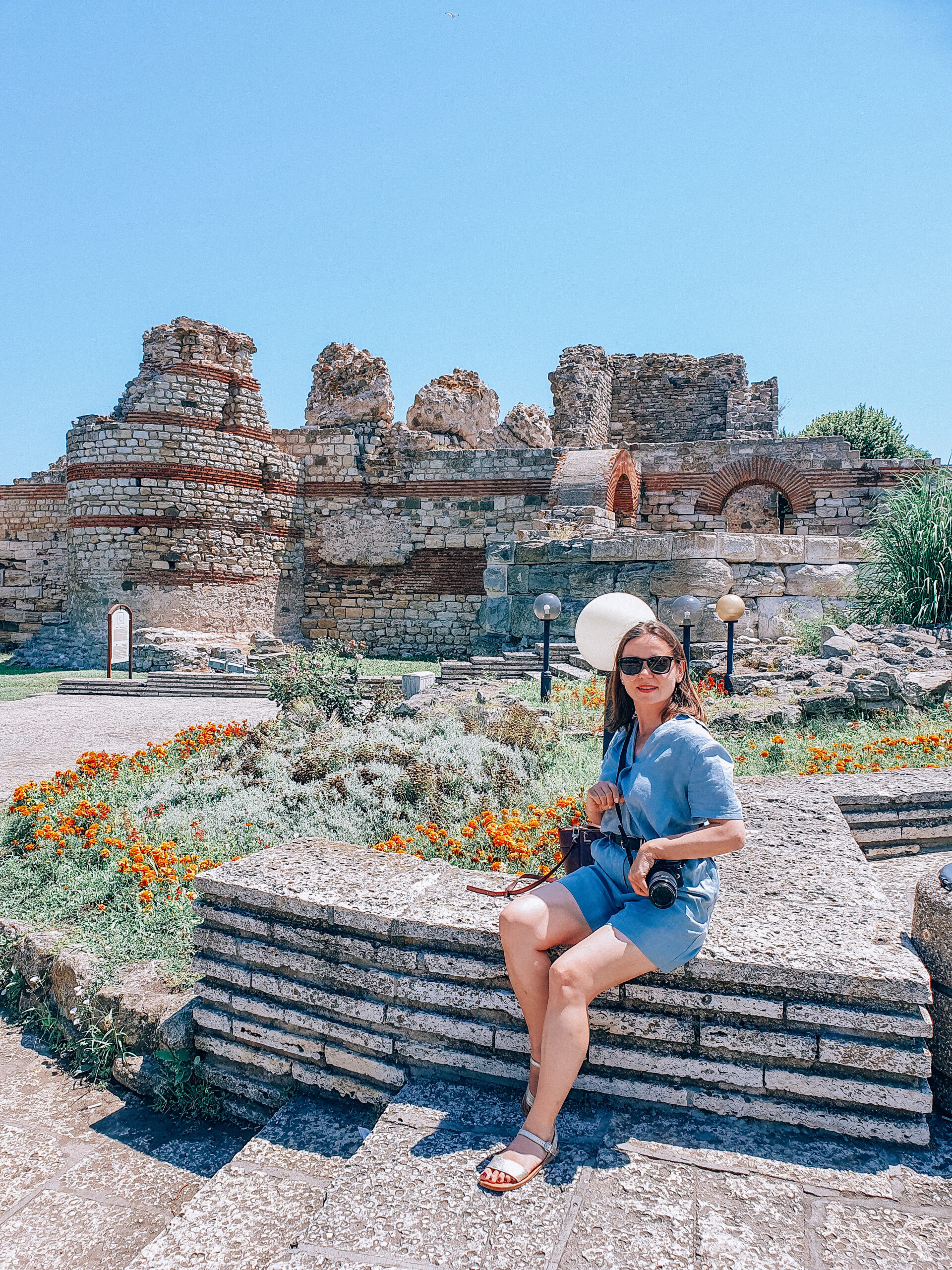
Nessebar (UNESCO Old Town)
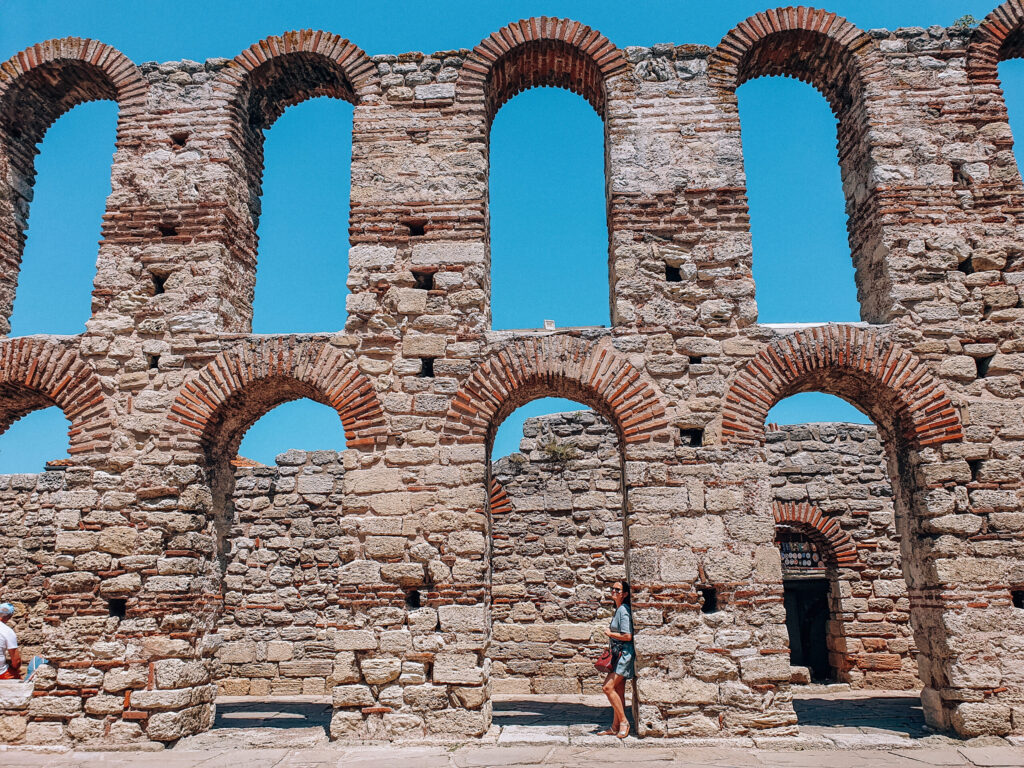
One of the easiest and most rewarding day trips from Burgas is Nessebar, a small peninsula town that feels like stepping into an open-air museum. Its cobbled streets are lined with ancient churches, wooden houses and sea views on every corner.
Despite being popular, it still retains charm early in the morning or later in the evening when the day-trippers leave. You can easily take a bus from Burgas centre and in 30 minutes you get to Nessebar. But be prepared for crowds in the middle of the day- many locals and Europeans visit this town on a day trip.
Sozopol
Another day trip we did from Burgas was to Sozopol, a slightly more bohemian seaside town with a relaxed vibe, small beaches and a historic old town perched above the water. It’s less polished than Nessebar but feels more authentic, especially if you enjoy wandering without a strict plan and stopping for coffee by the sea.
Anastasia Island
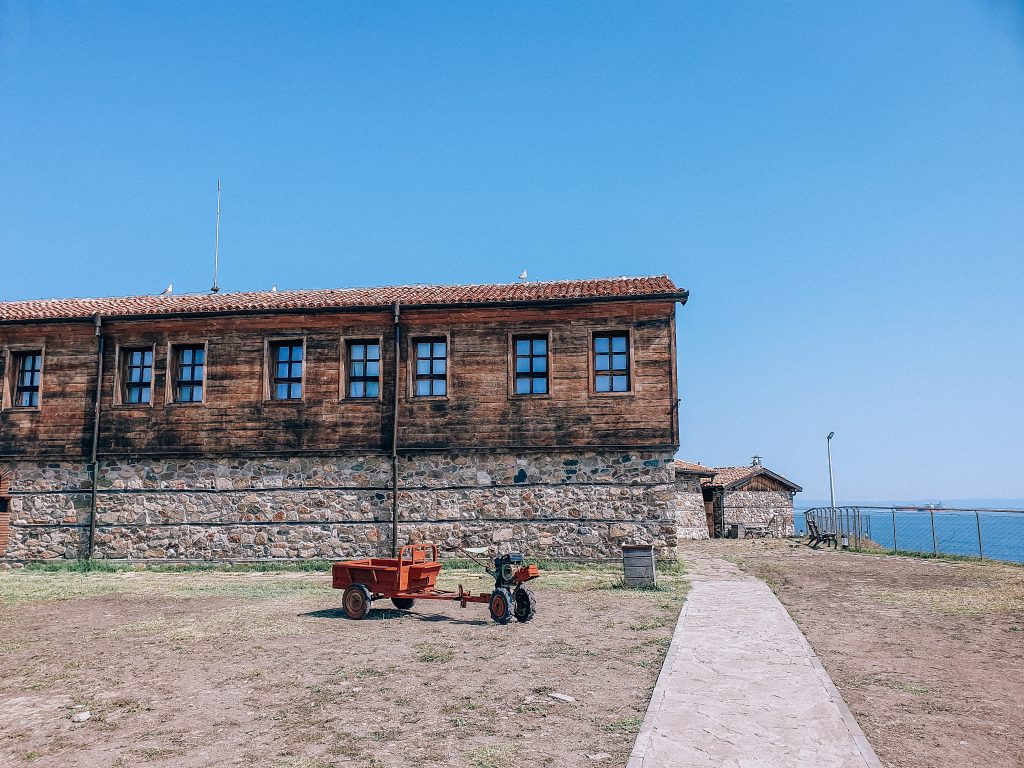
One of the most interesting side trips from Burgas is St. Anastasia Island, a tiny island in the Black Sea with a surprisingly dramatic history. Located around 30 minutes by boat from the Burgas port, the island is best known for its former monastery, lighthouse and old prison stories, which give the whole place a slightly mysterious atmosphere. You can join a catamaran tour to get there or organise it yourself.
Despite its small size, it feels like a proper escape from the city, especially once the boat leaves the mainland behind and you start approaching the rocky coastline surrounded by open sea.
Today, the island has been turned into a small cultural and tourist attraction with a museum, walking paths, a restaurant and panoramic viewpoints overlooking the coast. What makes it enjoyable is that it never feels overly commercialized, people mostly come to relax, walk around slowly and enjoy the scenery rather than rush through attractions.
It’s an easy half-day trip from Burgas and a very different experience from the beach towns along the coast. Make sure to eat some of their seafood in the tiny restaurant. I loved the experience.
Plovdiv
I was the most excited about Plovdiv during our 10-Bulgaria trip. I read so many interesting things about it and I would recommend it not to skip it. However, it was really hot in July; the temperature combined with hilly cobbled streets were tough, especially for my mum.
From Burgas, we headed inland to Plovdiv, one of the oldest continuously inhabited cities in Europe. Plovdid is very different: more artistic, slightly bohemian, and full of character.
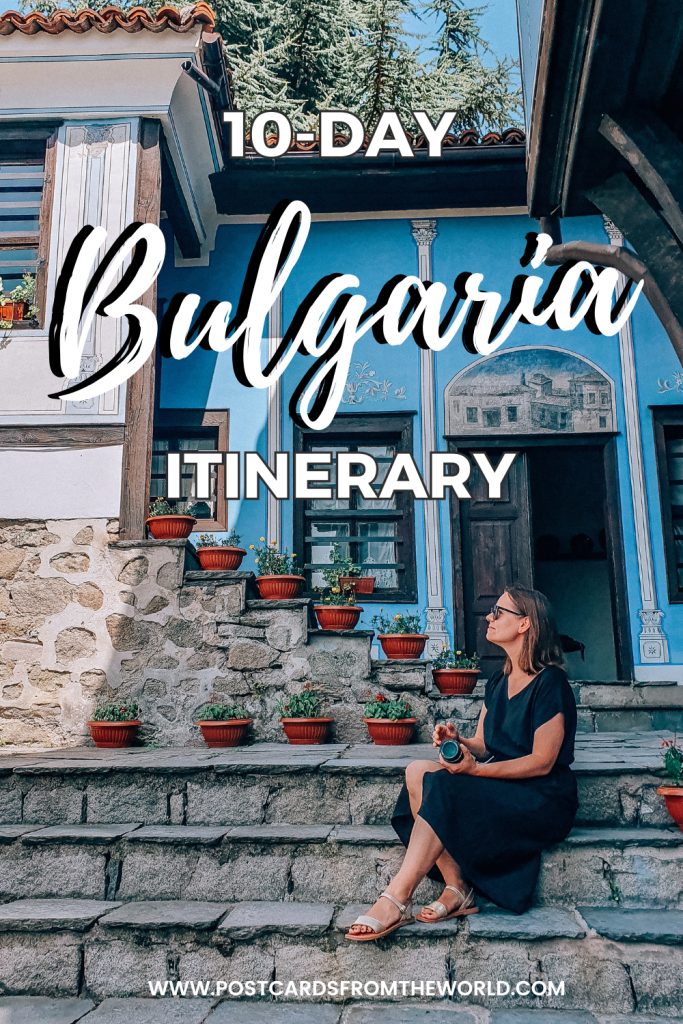
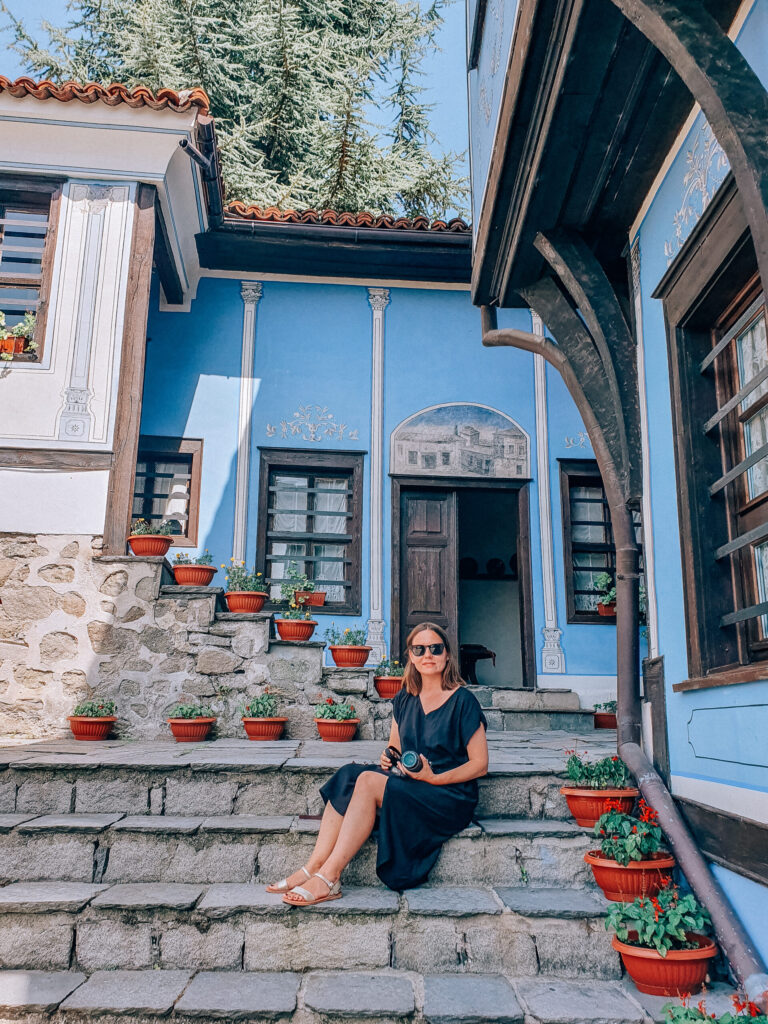
The highlight is the Old Town, where cobbled streets wind past beautifully preserved Revival-era houses, Roman ruins and viewpoints overlooking the city. One of the most impressive spots is the Ancient Theatre, which still hosts performances today.
Plovdiv also has a modern creative side, especially in the Kapana district, where cafés, street art and small galleries make it perfect for wandering in the evenings. It’s the kind of city where you don’t need a strict itinerary, just time to explore.
Where to stay in Plovdid
- The best area to stay in Plovdiv is around the Old Town and Kapana district, and the standout hotel here is Gallery 37 Powered by ASTON. The location is almost perfect, tucked between the historic Old Town streets and the creative Kapana neighbourhood, so you can walk everywhere while still feeling surrounded by Plovdiv’s atmosphere.
- For something even more luxurious and iconic, The Emporium Plovdiv MGallery is probably the most refined hotel experience in the city, although slightly less atmospheric in terms of Old Town charm.
Sofia
Sofia, Bulgaria’s capital, is a mix of grand architecture, communist-era landmarks and lively urban culture. It’s not an immediately “pretty” city in the traditional sense, but it grows on you quickly. I must admit that it is much nicer than I expected.
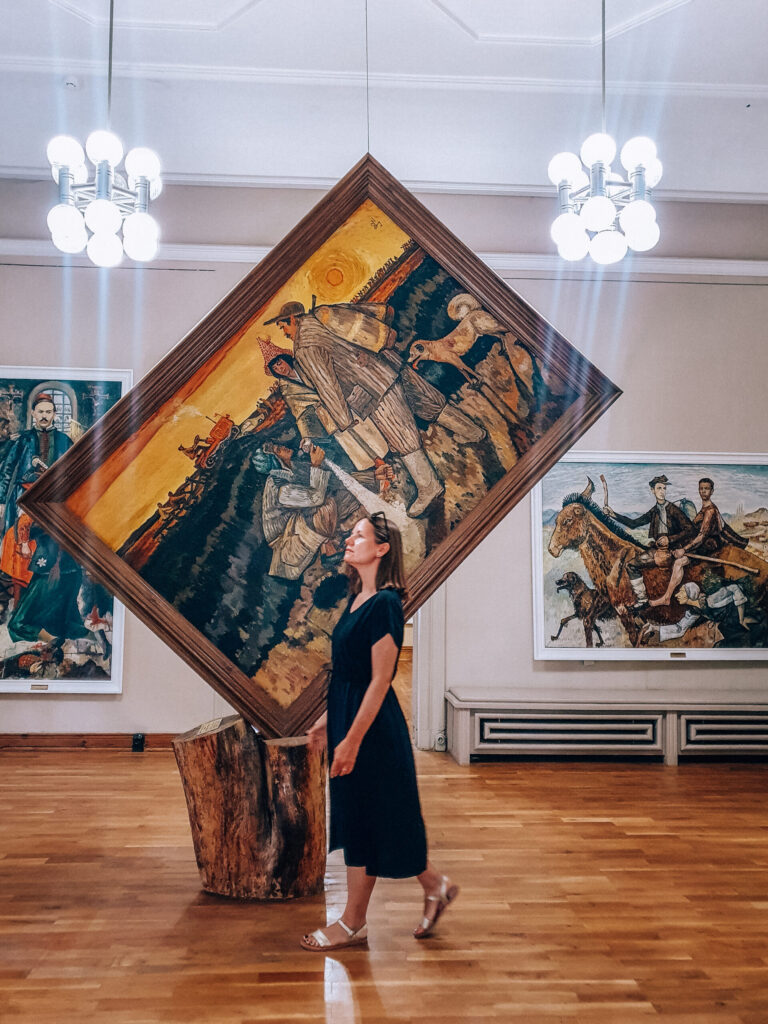
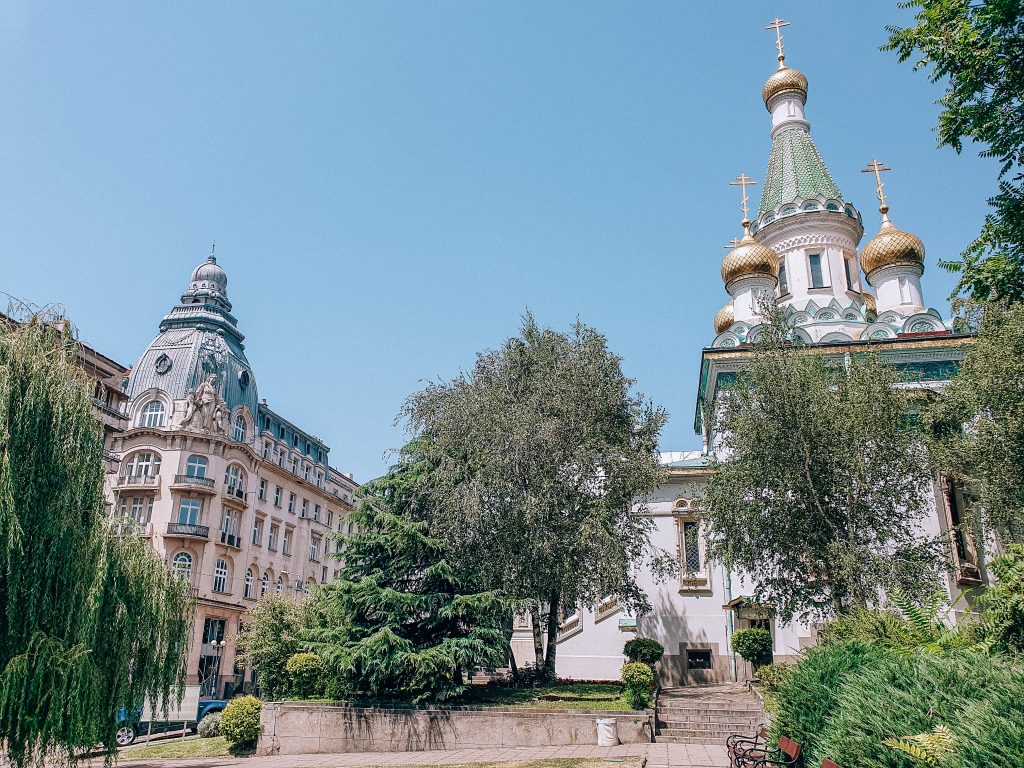
We spent our time here exploring Alexander Nevsky Cathedral, walking through ancient Roman ruins hidden in the city centre, and visiting local markets and museums. One of the things I liked most about Sofia is how diverse it feels, you can see Roman, Ottoman and Soviet history all within a few streets of each other.
Sofia has an amazing opera house, so we bought tickets to one performance. It is also a good idea to join a walking tour, this one (communist walking tour) is especially interesting.
It’s also a great base for day trips, but even just wandering around the centre gives you a full sense of the country’s history and modern identity.
Where to stay in Sofia
Sofia was a bit more difficult to find the right accommodation, but I would suggest that you choose somewhere in the area of the main boulevard. We stayed there and had a walking distance to every attraction. I think we didn’t have to take any buses nor tram to get anywhere.
- For Sofia, the best combination of luxury, atmosphere and location is Sense Hotel Sofia. The hotel sits right in the historic centre near Alexander Nevsky Cathedral, which means you can walk to most major landmarks, museums and restaurants within minutes. The design is modern and minimalistic, but the real highlight is the rooftop area overlooking the cathedral domes and central Sofia skyline. Staying here makes the city feel much more elegant and walkable, especially if you are visiting Sofia for the first time.
- Another top-tier option nearby is InterContinental Sofia, which has one of the best central locations in the city and slightly more classic luxury styling.
Rila Lakes
To go to Rila Lakes, we took a tour as the public transportation was a little bit difficult. Basically, the tour offers you a transport from Sofia and back, no guide involved. You can drive there yourself if you rent a car (which might be a great idea for this 10-day Bulgaria itinerary), but it wasn’t something I was keen on. I preferred to have peace of mind and not worry about the car after my terrible experience of renting a car in Sicily.
The final part of this itinerary takes you into the mountains for one of Bulgaria’s most spectacular natural sights: the Seven Rila Lakes.
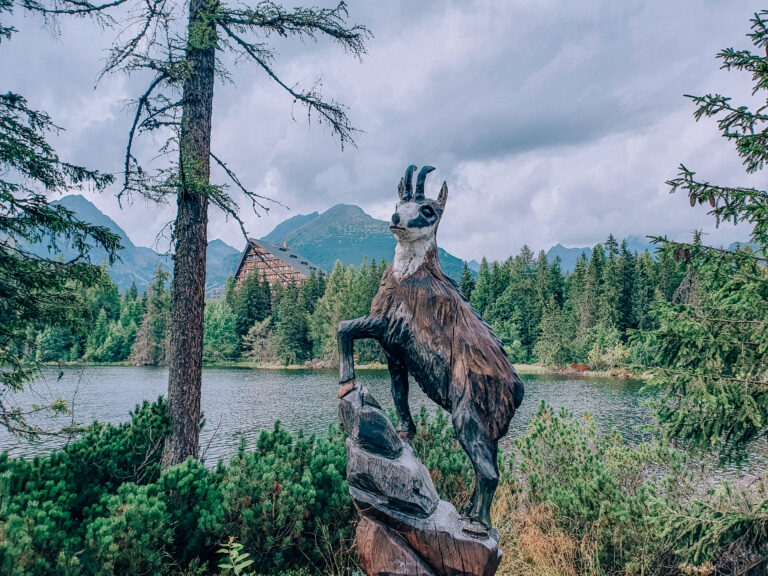
We travelled here from Sofia early in the morning, and the change in scenery was immediate, from city streets to alpine landscapes and crisp mountain air. When you get there, you can either hike up the hill (around 2 hours) or take a cable car. Since my mum was not in a form to hike the steep slope for 2 hours, we opted for the cable.
However, it was very windy that day and we had to wait. We walked around the forest, where we found a cute cabin that offered us coffee and a snack. When the cable finally worked, we only had enough time to go up, walk a little bit and go down. Unfortunately, we missed the full hike.
The hike itself to the lakes is the highlight, taking you past glacial lakes at different elevations, each with its own shape and name. Depending on your pace, the full loop can take several hours, but even shorter sections offer incredible views. I did a lot of research to find a path that both of us could do, but in the end, we didn’t manage.

Monasteries: one of the best day trips from Sofia
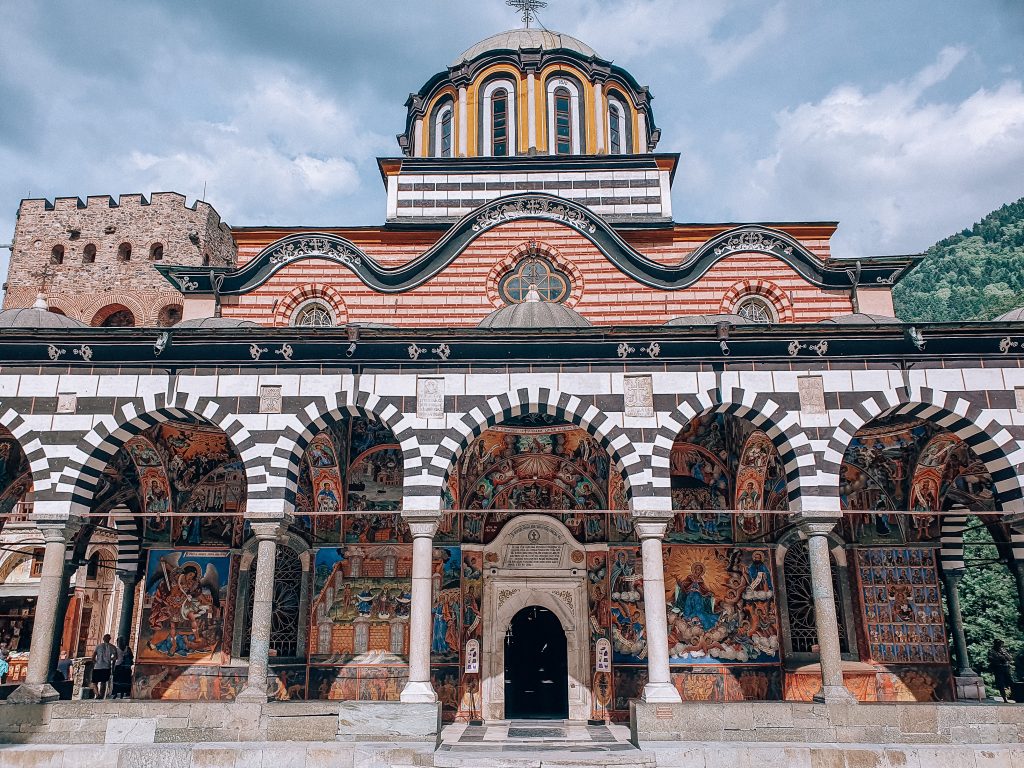
One of the best cultural day trips from Sofia is exploring Bulgaria’s famous monasteries, especially if you want to see a more traditional and spiritual side of the country beyond the cities. This tour was high on my list, if you go, you’ll understand why.
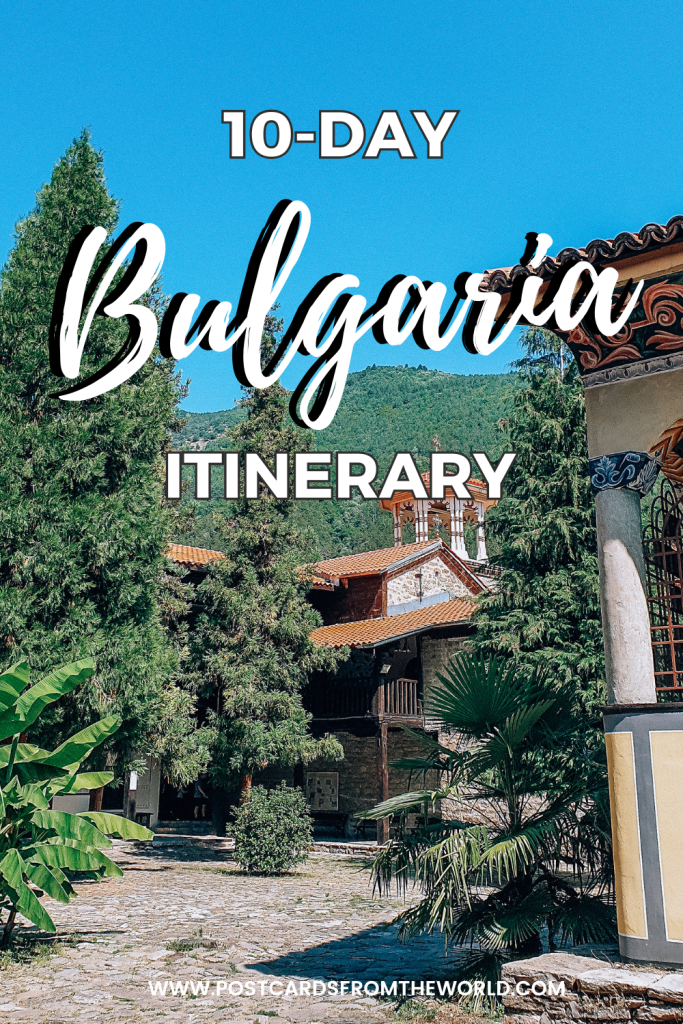
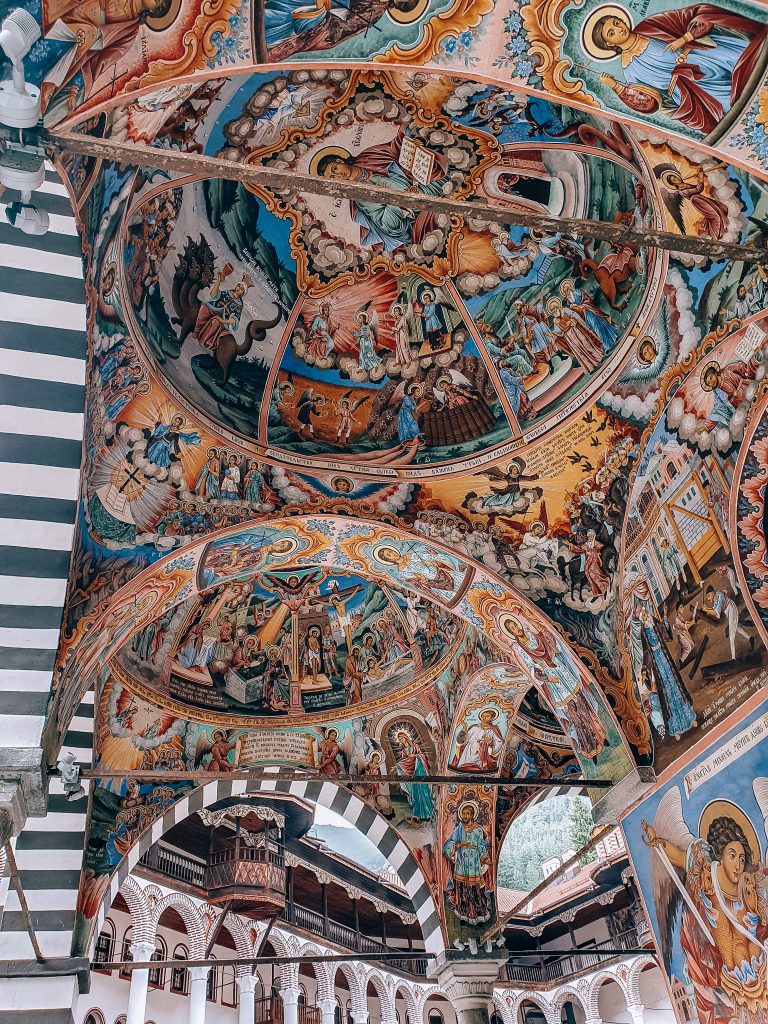
The most important of them all is the Rila Monastery, a UNESCO World Heritage Site hidden deep in the mountains around two hours from Sofia. Surrounded by forested peaks, the monastery is famous for its striking striped architecture, colourful frescoes and centuries of religious history, and it genuinely feels like one of Bulgaria’s most iconic places.
Many organised tours from Sofia combine Rila Monastery with other nearby religious or historical sites, making it a very easy day trip even without a car. Depending on the route, you may also visit places like the Boyana Church, known for its medieval frescoes, or smaller monasteries around the Rila region that feel much quieter and more local.
What makes these trips especially worthwhile is the scenery along the way, mountain roads, small villages and landscapes that feel completely different from Sofia’s urban atmosphere. If you only have limited time in Bulgaria, this is honestly one of the easiest and most rewarding tours to book.
Europe posts you might also like
- A comprehensive guide to Athens: what to see and do in 3 days.
- Renting a car and driving in Albania in 2025: All you need to know
- Epic 3-week central Europe road trip Itinerary: must-see destinations & tips
- 8 days in Armenia: a perfect road trip itinerary
- 14 days in Georgia: a perfect road trip itinerary
- Baku city break. What to see and do in the capital of Azerbaijan.
How to move around Bulgaria without a car
Getting around Bulgaria without a car is actually much easier than many people expect, especially between major cities like Sofia, Plovdiv and Burgas.
The country has a fairly reliable network of buses and trains, although buses are generally faster, more modern and better connected for most tourist routes. We moved around Bulgaria only by buses. Booking some tickets was a bit complicated and most employees did not speak any English. Whenever possible, I’d recommend booking your ticket in advance.
Sofia and Plovdiv are especially well connected, while coastal destinations like Burgas also have direct routes from the capital. For mountain areas and places like the Rila Lakes or monasteries, organised day tours are often the simplest option if you do not want to rent a car, since public transport becomes more limited outside the main cities. The trains are not the best, so I would not advise to use them.
Within cities themselves, taxis and ride apps are inexpensive, and central areas are usually walkable. Overall, Bulgaria works surprisingly well as a non-driving destination.
Use my favourite travel resources to plan your dream trips
- Booking.comfor searching best prices on accommodation.
- AirHelp helps to get compensation for cancelled or delayed flights.
- Travel Payouts is my favourite platform for monetizing the blog.
- Discover Cars is a great website as they search both local and international car hire services, so you can choose the best deal for yourself. Make sure though, that the company has a good reputation and reviews.
- Get Your Guide is my place to go for searching and booking tours and excursions, especially when I travel solo.
- World Nomads and EKTA travel insurance. I like them because they have quite extensive coverage of different activities.
- WeGoTrip sends you audio guides to your mobile, so you can visit places while learning history and interesting facts easily and for little money.
- Go City is a perfect site for booking bucket list experiences and attractions all in one to avoid paying for multiple tickets. Easy and saves money. You can even save 50%.
- Trip Advisor– amazing for good quality recommendations.
- Skyscanner is a perfect website for searching flight routes and comparing prices.
- Airalo is my eSim choice for alternative data abroad.
Did you like the post? Pin it for later: