Hiking the Great Wall at Jinshanling: Why I Chose the Crowd-Free Section (And What to Expect)
Most people who visit the Great Wall from Beijing go to Badaling. It’s the closest, the most accessible, and the most visited section of the wall. It’s also, by most accounts, the most crowded. If you want something different, hiking the Great Wall at Jinshanling is the answer.
I went to Jinshanling instead of Badaling, and I’d make the same choice without hesitation. It sits around 130 kilometres northeast of Beijing, roughly 2.5 hours by road, and that extra distance is precisely what makes it worth it. It requires a full day and a decent level of fitness. But in return, you get the Great Wall as it should be experienced – stretching across mountain ridges as far as you can see, largely in silence, with almost no one else around.
Disclosure: Please note that this post included affiliate links, when you decide to purchase anything through these links I get a small commission at NO extra cost to you, it helps me to keep running this blog! I only promote products and services I use or would use myself. All images are the property of Postcards from the World and cannot be used without permission.
Why Jinshanling and not Badaling (or other closer sections)
Choosing which section of the Great Wall to visit was the first and most important decision of my trip. There are several options within reach of Beijing, each with very different characters.
Badaling is the obvious choice for convenience: closest to the city, fully restored, easy to get to. It’s also extremely crowded, particularly on weekends and in summer, with visitors queuing in significant numbers along a section of wall that has been heavily renovated to the point of feeling more like a theme park than a historic site.
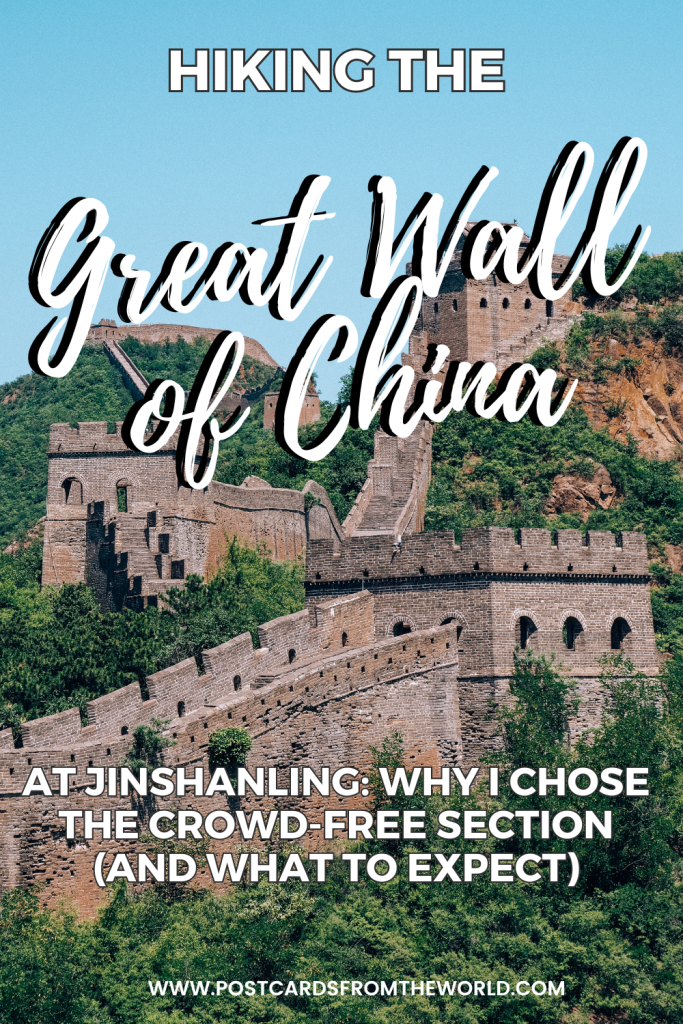
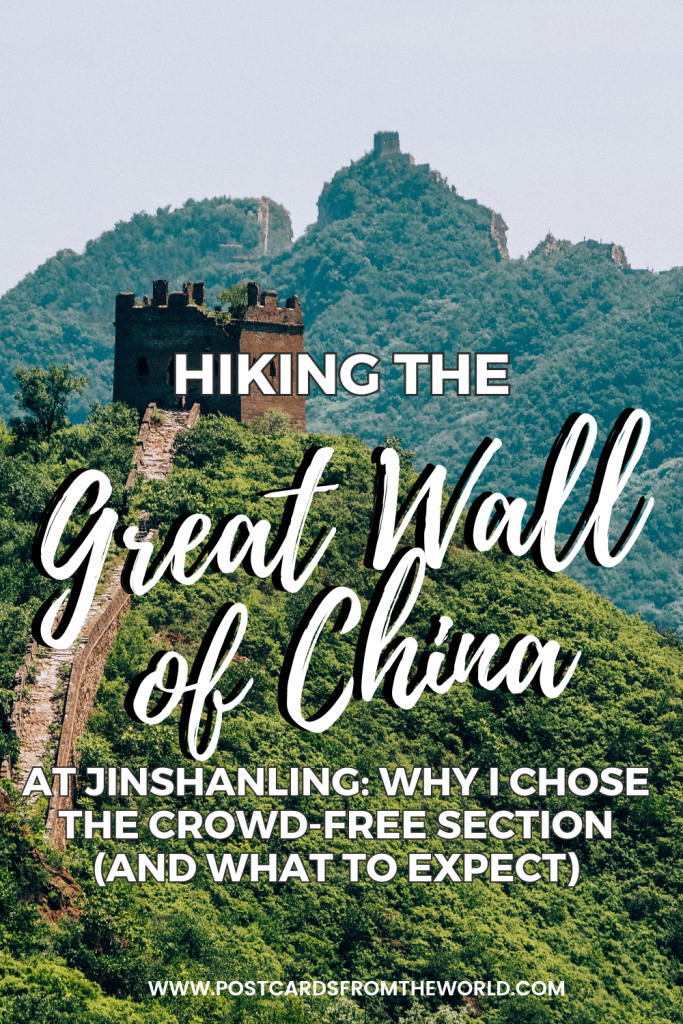
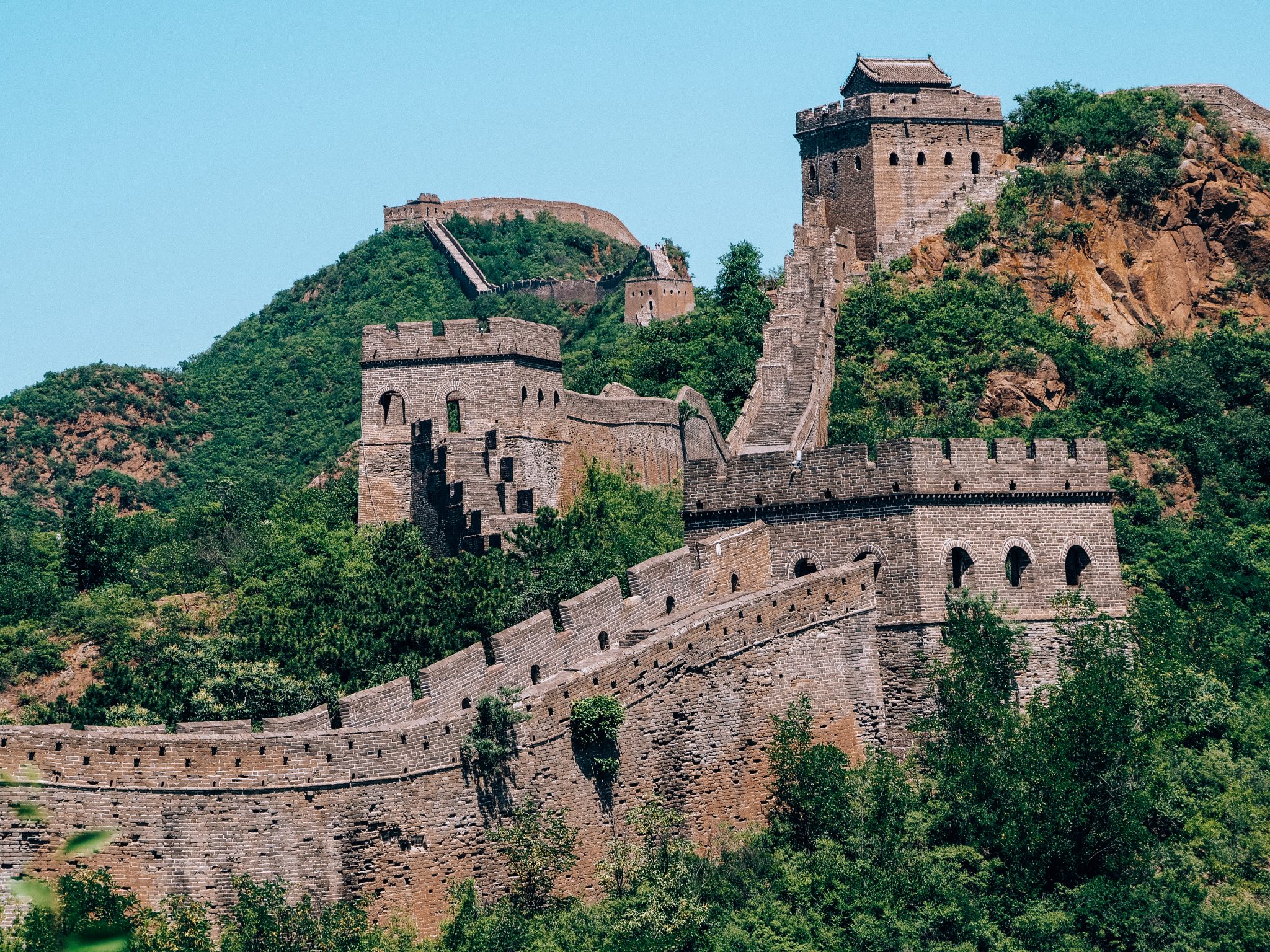
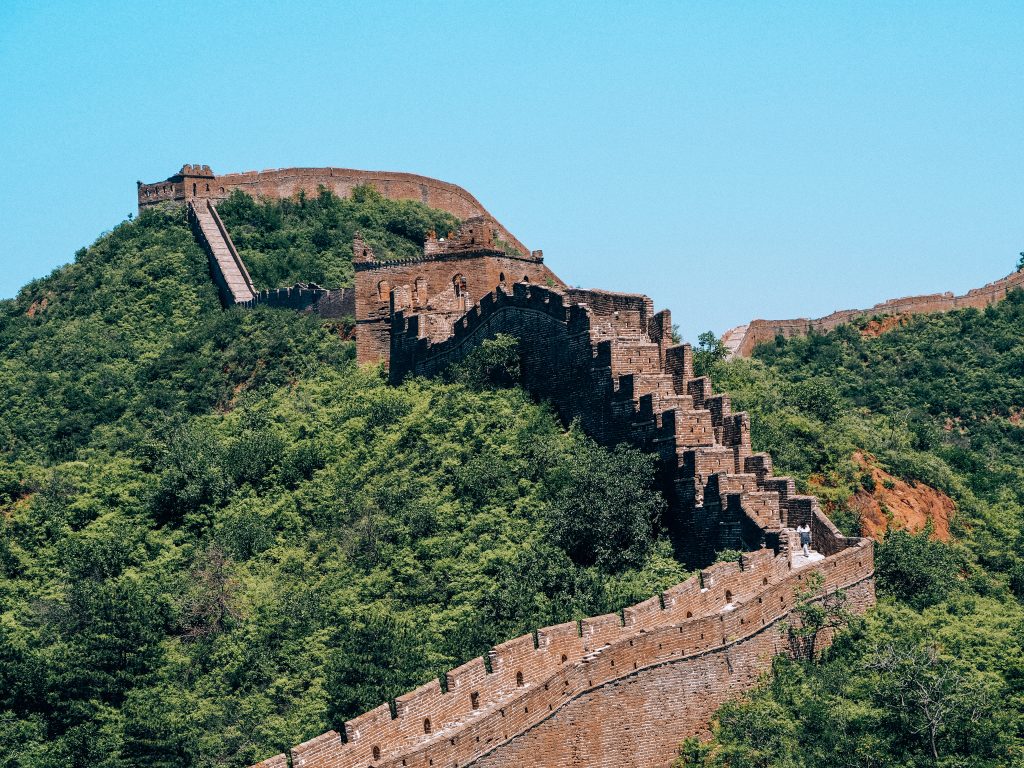
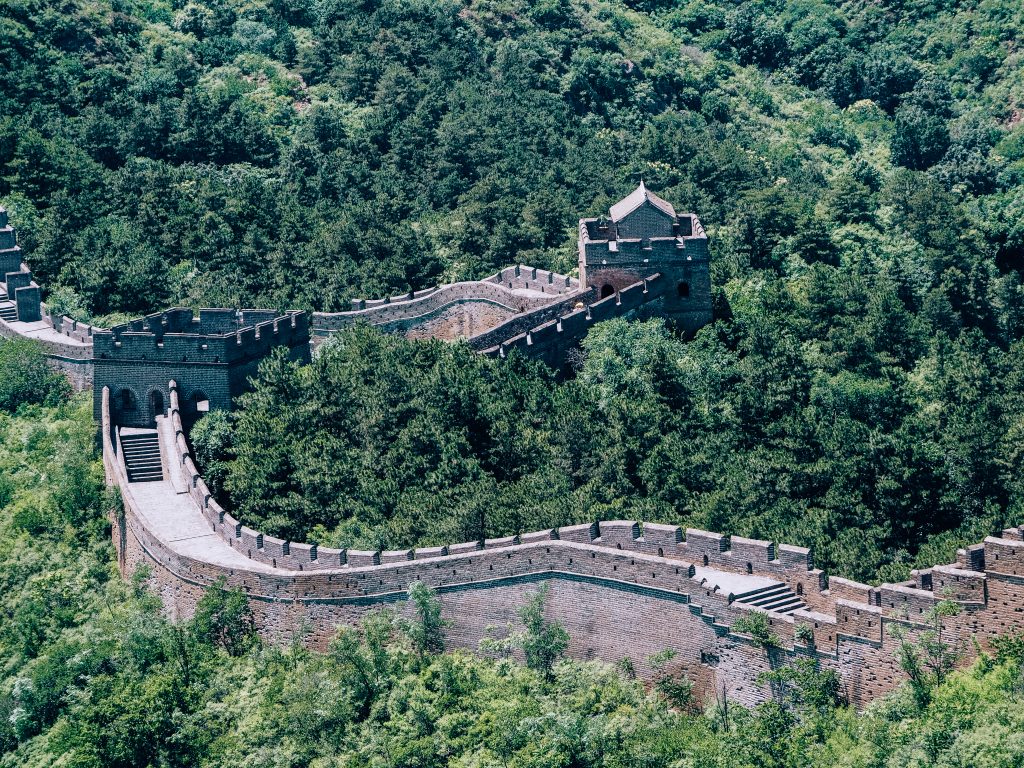
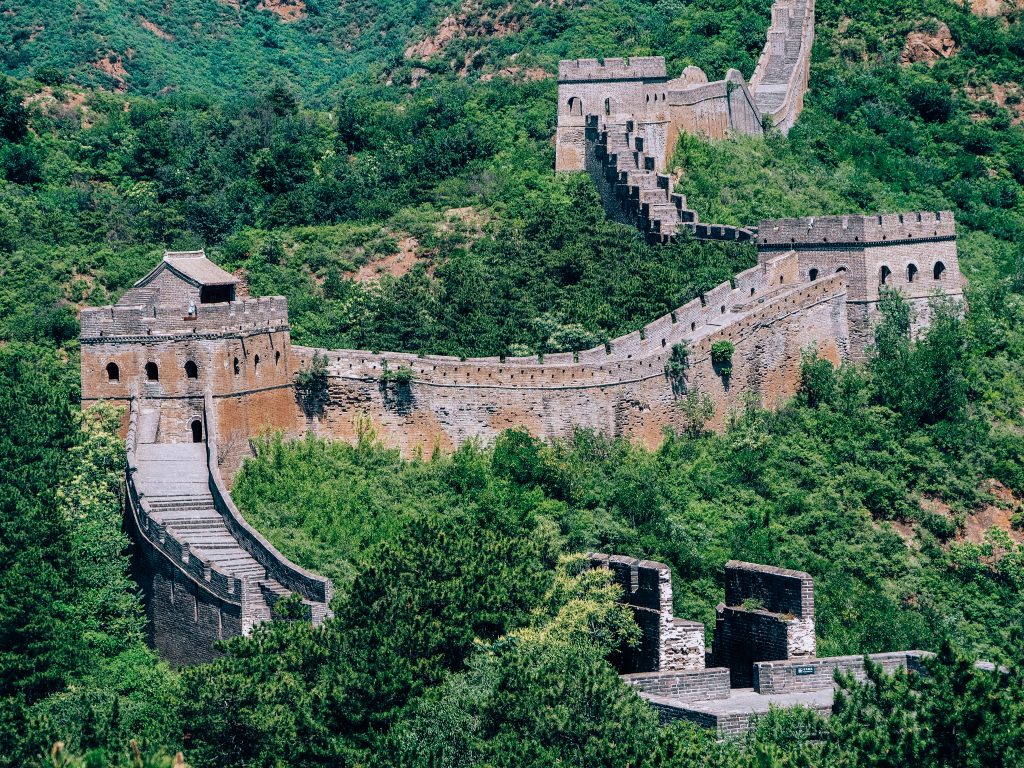
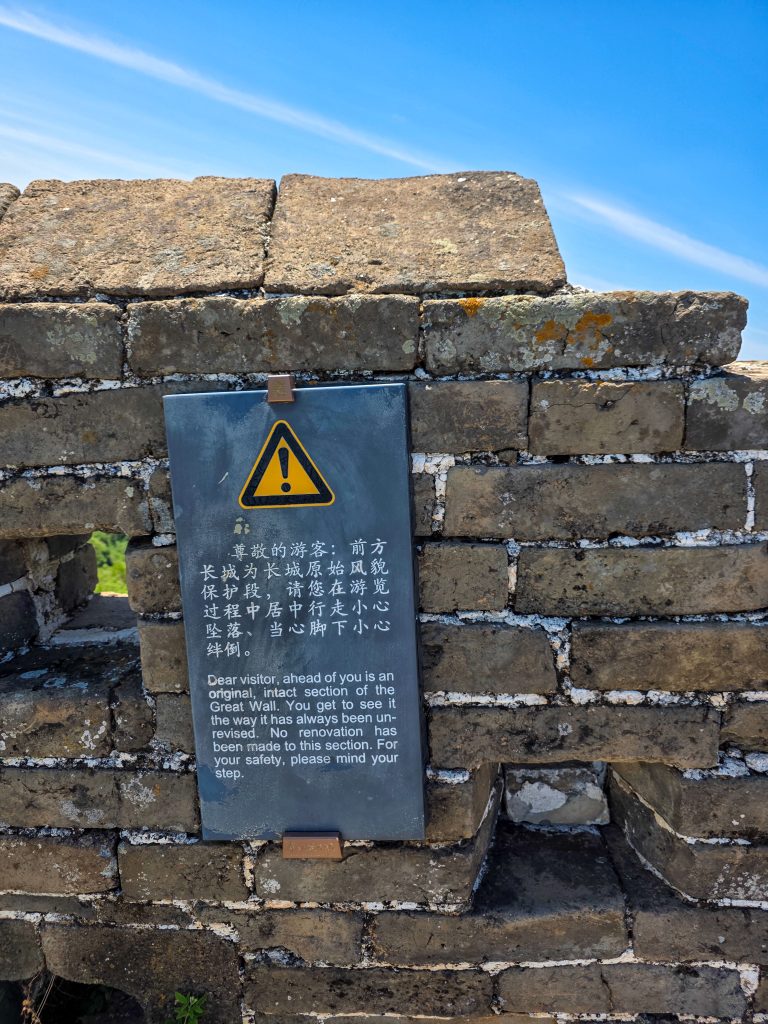
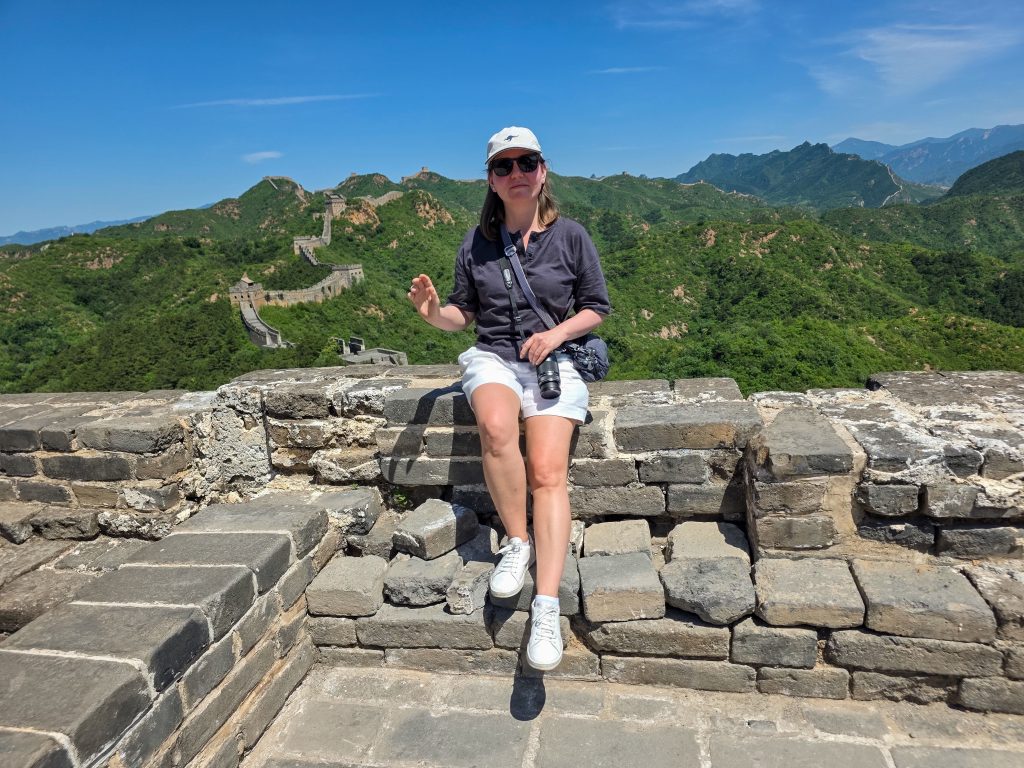
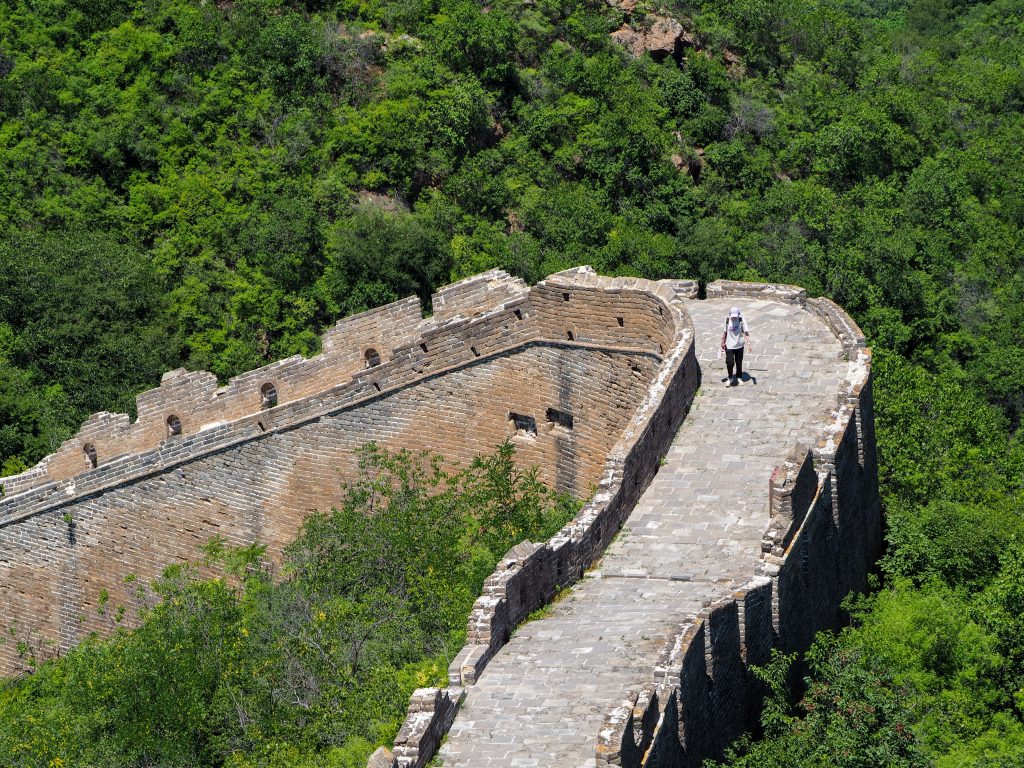
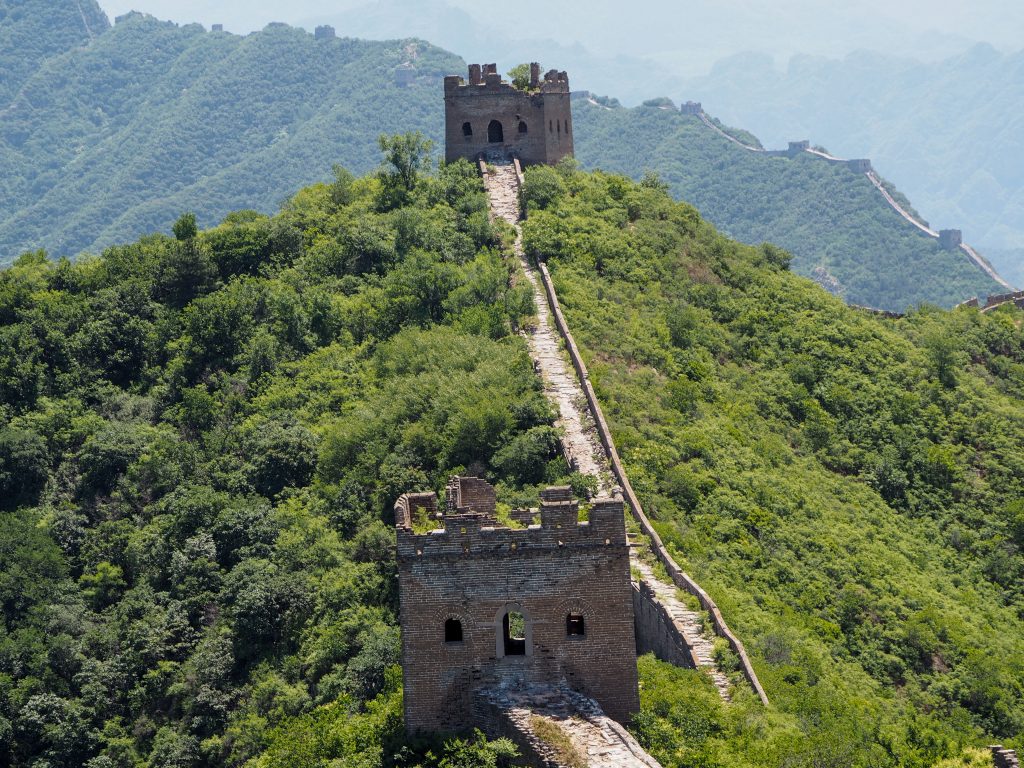
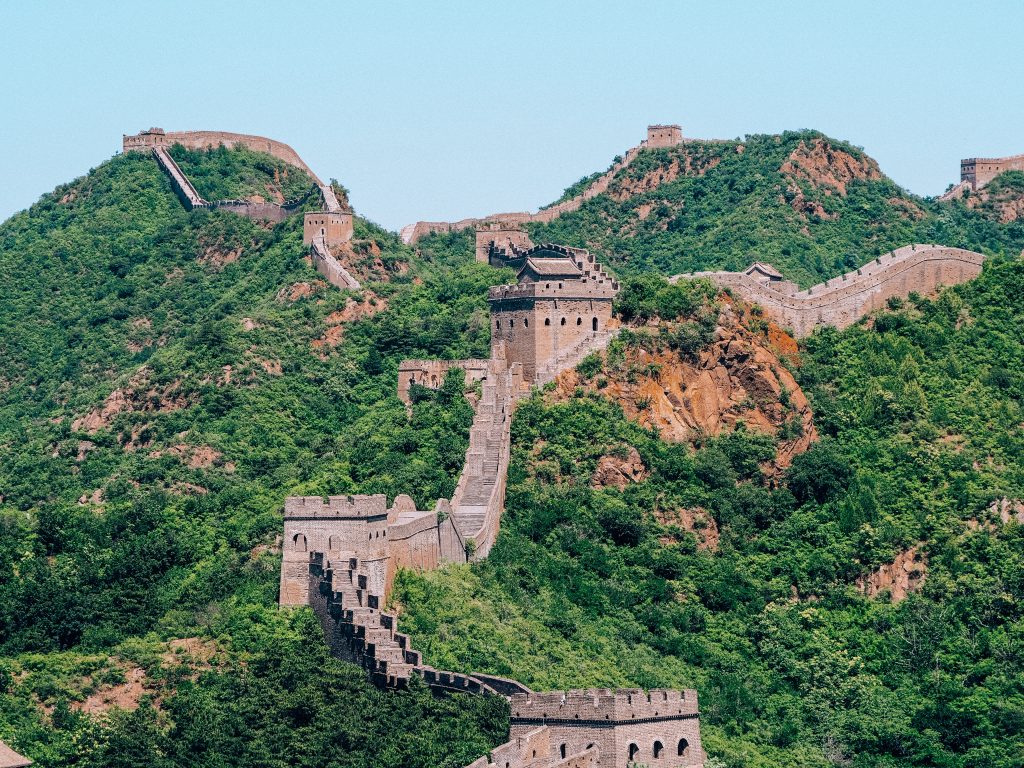
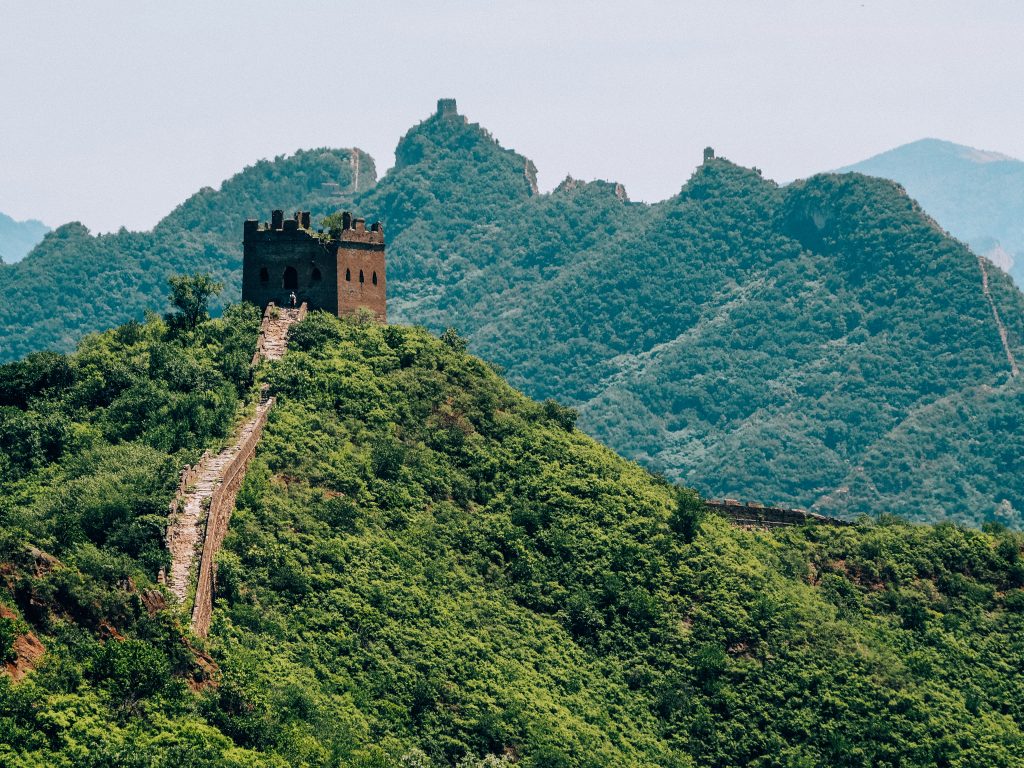
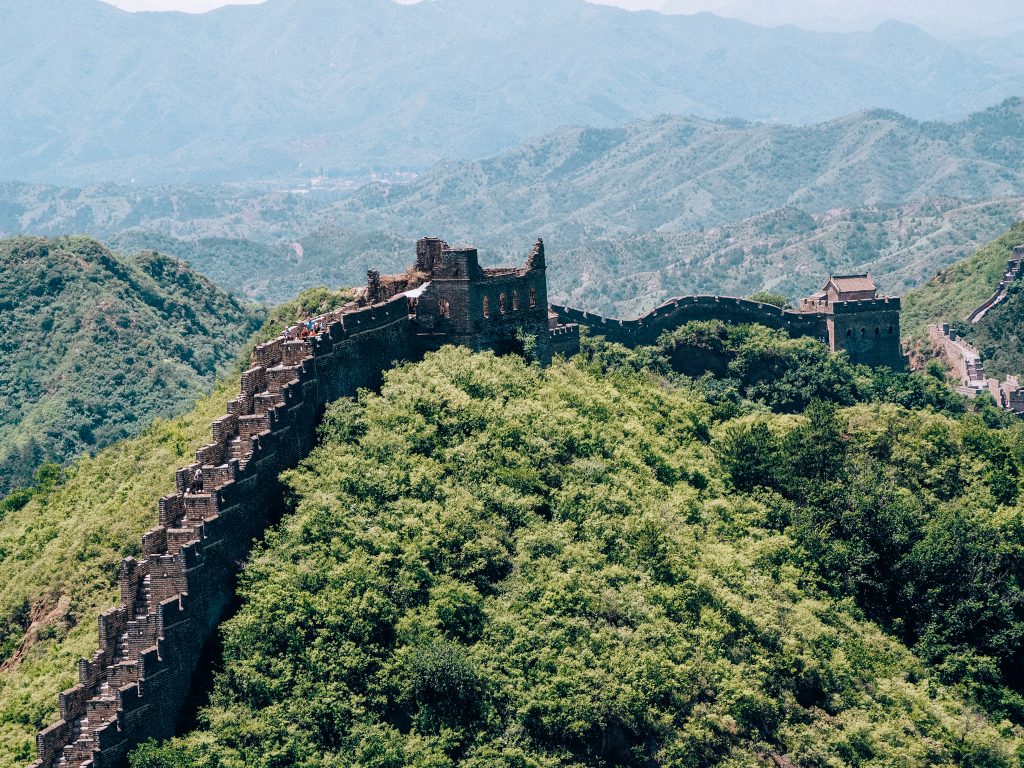
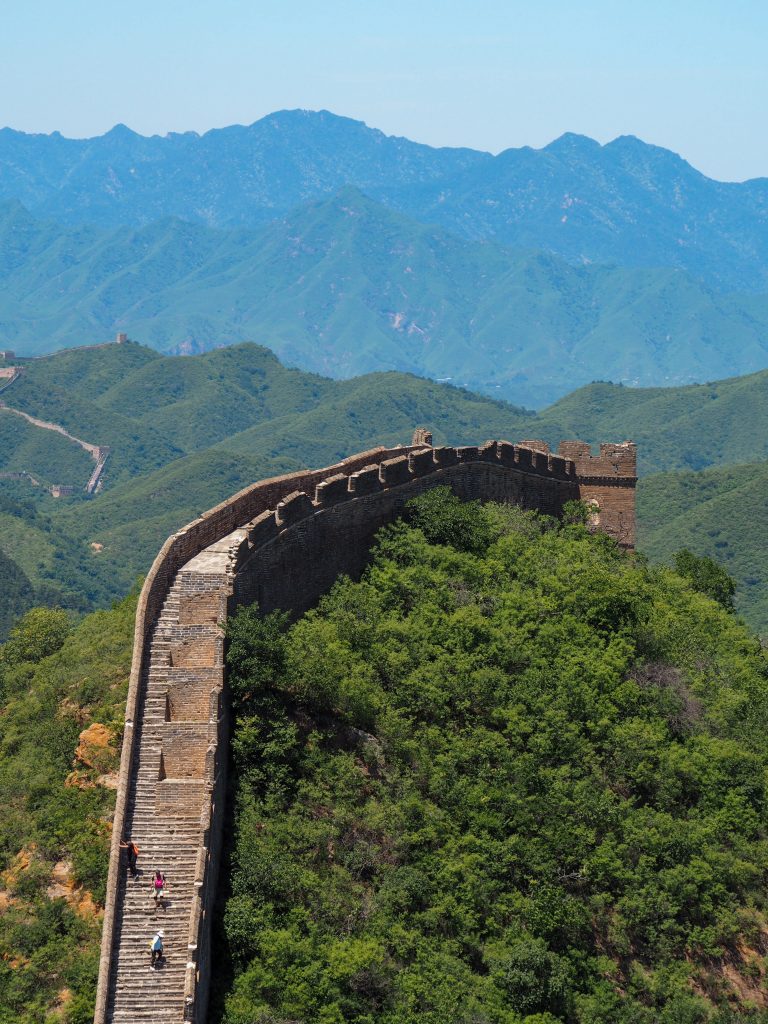
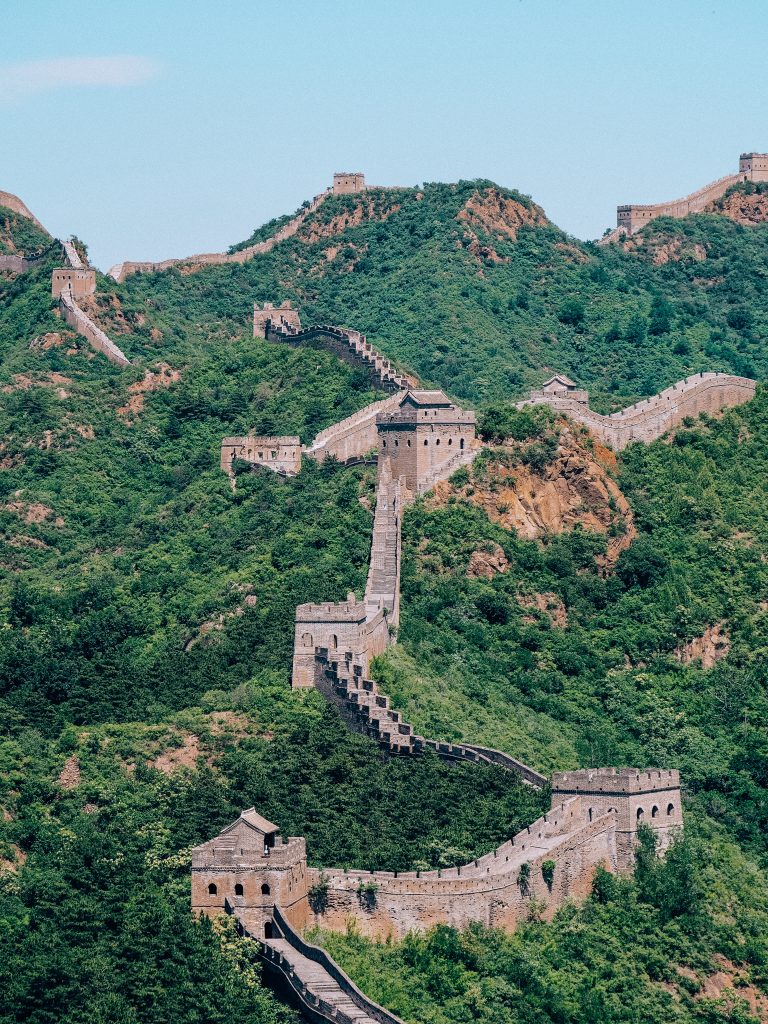
Jinshanling is a different proposition. Built during the Ming Dynasty in 1368 and later reinforced under General Qi Jiguang in 1567, this section of the wall is partially restored and partially wild, which means you’re walking through both maintained stretches and sections that have been left largely as time has left them. The contrast between the two is one of the things that makes it so visually striking. It stretches 10.5 kilometres with 67 watchtowers, and on a clear day the wall snakes across the mountain ridges in both directions as far as you can see. That view is genuinely difficult to photograph adequately.
The trade-off: it’s much further from Beijing, requires real physical effort, and needs a full day. For professionals working full time and spending precious vacation days, that’s worth factoring in, because you won’t be able to do much more that day. But for the experience itself, it’s also worth every hour of it.
How to get there
The easiest option, and the one I’d recommend for a first visit, is a small group tour that includes transport from Beijing. I booked through GetYourGuide, which handled the logistics entirely, transport from Beijing, entry tickets, and a guide for the full day. With around 130 kilometres to cover each way and limited public transport options to Jinshanling, trying to piece together the journey independently eats into your time significantly. The tour made the most sense for a full-day visit.
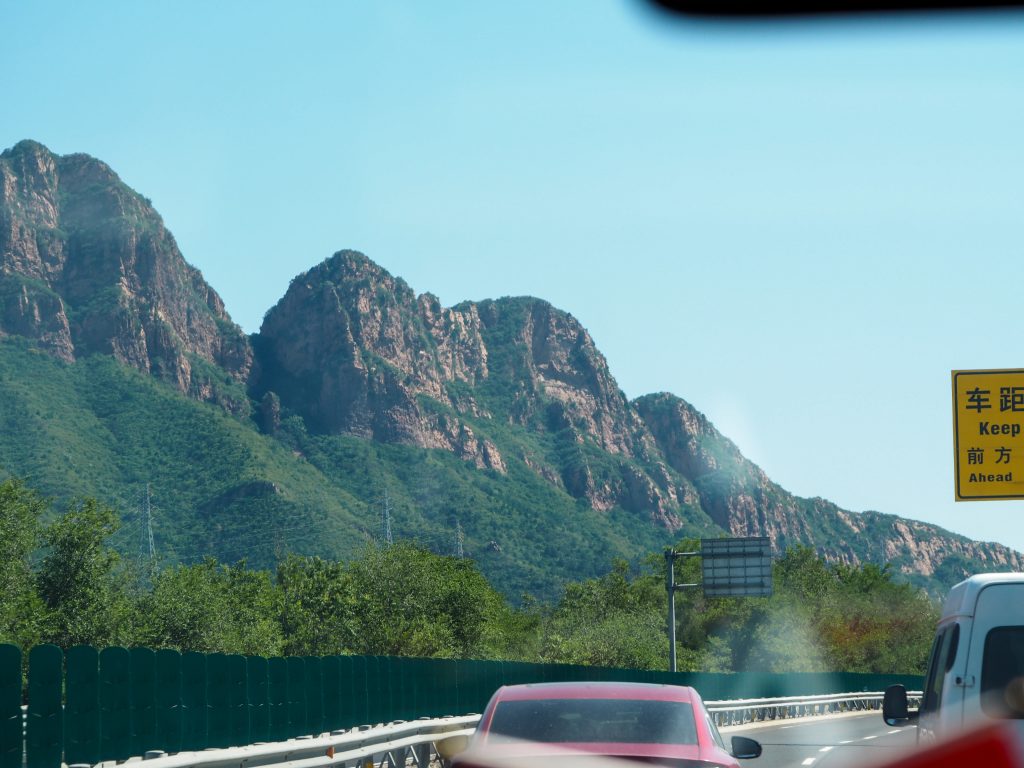
The drive from Beijing takes approximately 2.5 hours each way.
What the hike is actually like
I want to be honest about this: it’s hard. Not technically difficult, but physically demanding in a way that surprised me even knowing it would be tough. By the time we finished, my legs were genuinely weak. That’s not a complaint, it’s useful information.
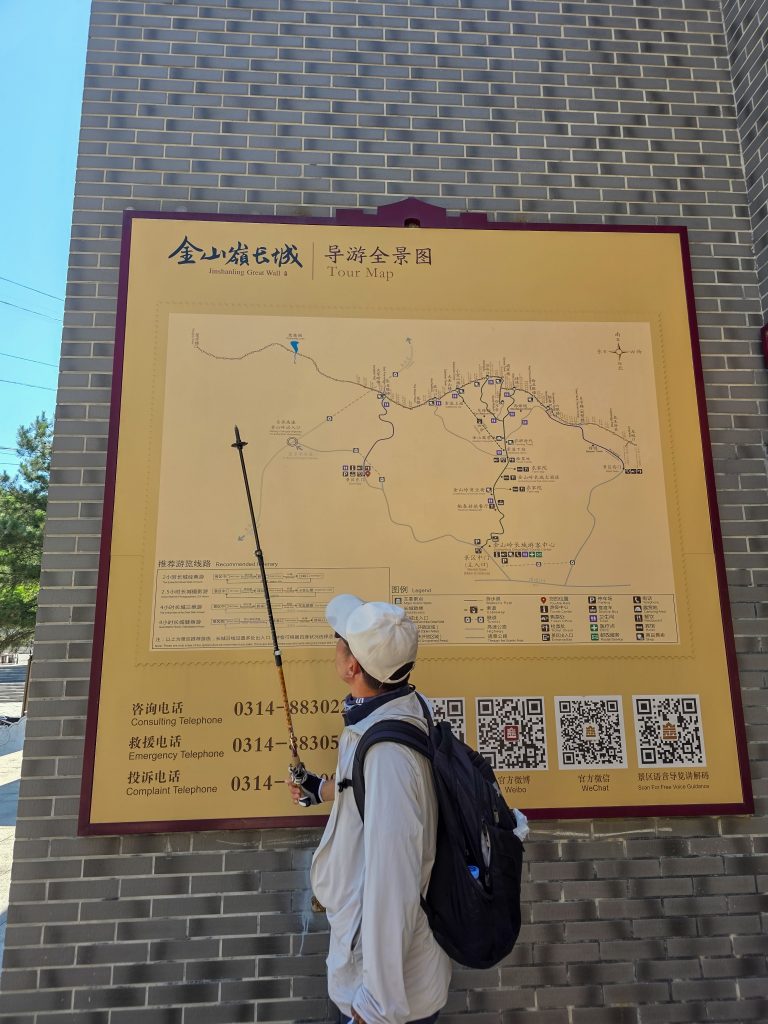
Getting to the wall: Before you even set foot on the Great Wall itself, you climb. The initial ascent from the entrance area to the wall at Jinshanling East takes approximately 40 minutes on steep, uneven stone steps. It’s relentless and there’s no shortcut on foot, though a cable car is available from the ticket gate to the Small Jinshan Tower for anyone who wants to save their legs for the wall itself.
On the wall: The main route from the starting point at Jinshanling East heads westward across the wall for approximately 3 hours, covering a mix of restored and original sections. The terrain is constantly changing – some stretches are relatively flat, others involve sharp climbs and drops that are genuinely steep. The steps are uneven and vary dramatically in height. Some watchtowers require scrambling. Trekking poles wouldn’t be out of place here.
The total time including the climb up was around 4 hours for our group.
The cable car option: For anyone who finds themselves struggling mid-hike, there is a cable car (索道) located near the Small Jinshan Tower that descends back to the ticket gate area. The guide mentioned this as a genuine option for anyone whose legs give out before the end, and I appreciated knowing it existed. We walked down but knowing there was an alternative made the commitment feel less daunting at the outset.
What you’ll actually see
For most of the hike, we barely saw another person. The wall was ours. That solitude, combined with the scale of what you’re walking on (a structure built 650 years ago across steep mountain terrain with hand-placed stone) creates an atmosphere that’s genuinely hard to describe. It feels significant in a way that crowded tourist attractions rarely do.
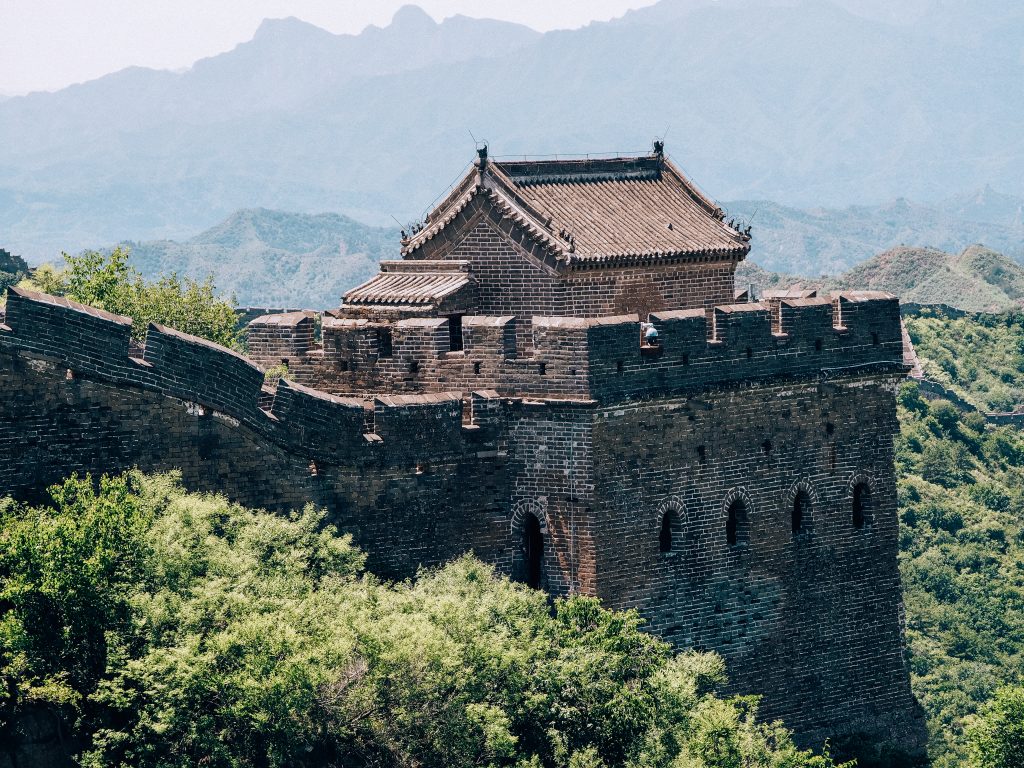
The 67 watchtowers along this section are all slightly different from each other. Some are two storeys, some three. Some have flat roofs, others pitched. Some are intact; others are ruins open to the sky. Exploring them felt like walking through a real piece of living history rather than a carefully managed museum exhibit.
The only other visitors we encountered were concentrated near the cable car point – a small cluster of people who had taken the easier route up and were turning back. Beyond that, for long stretches we had the wall entirely to ourselves.
The old lady in the watchtower
This is the moment I keep coming back to when I think about this day.
Deep into the hike, in one of the more remote watchtowers away from the main tourist flow, there was an old woman who had set up a small shop. A few souvenirs, some water, basic snacks. She wasn’t pushy about any of it. She offered to take photos of our group with the wall behind us, and the pictures were genuinely good – she clearly knew the angles. She didn’t ask for anything in return.
It was one of those small moments that make a trip feel real. I bought something from her shop because I wanted to, not because I felt pressured. I’m glad she was there.
See also:
- Where to Stay in Busan: The Best Neighbourhoods for a Short Trip
- Where to Stay in Seoul for First Time: Best Neighborhoods and Hotels for Every Style
- 10 Days in South Korea in Spring: The Complete First-Timer’s Itinerary
- 10 cool photo spots in Hong Kong: a perfect place for travellers and photographers
- 1 day in Macau: what to see and how to get there from Hong Kong
- Visiting the Forbidden City and Tiananmen Square in beijing: Everything You Need to Know
- Travelling to China for the First Time: Why Beijing and Shanghai Should Be on Your List
- 3 Days in Beijing for First Timers: An Honest Guide to China’s Ancient Capital
- 4 Days in Shanghai: The City That Surprised Me More Than Beijing
- Xuyan Shanghai Immersive Tang Dynasty Banquet Review: The Most Unforgettable Evening in China
- Zhujiajiao Day Trip from Shanghai: From Skyscrapers to Ancient Canals in One Metro Ride
Practical things to know
Water: Take more than you think you need. In June, it was hot , genuinely, drainingly hot, and the physical exertion makes it worse. Our guide carried extra water for the group, which he shared when needed, but don’t rely on that. Pack at least 2 litres per person.
Footwear: Proper walking or hiking shoes with grip are essential. The steps are uneven, often steep, and in some sections the stone is loose. Trainers with decent grip will do, but anything flat-soled or open-toed is a mistake.
Food: Pack your own snacks if you want to, but the guide had a few things for us. There are a handful of basic options near the entrance, but once you’re on the wall there’s nothing until you come back down, except for the occasional watchtower vendor. We had a lunch after in a small, local restaurant- it was plenty and really tasty, so no need to bring much food at all.
Fitness: Be honest with yourself before booking this. If you have any knee issues, are not comfortable with sustained steep climbing, or have limited mobility, a closer and flatter section (Mutianyu is a good alternative) would serve you better. This hike is rewarding precisely because it’s hard, but it should be the right kind of hard for the person doing it.
What to wear: Sun protection is critical, especially in summer. A hat, sunscreen, and light breathable layers. It gets cooler in the watchtowers, and occasionally the wind picks up on exposed ridgelines, but it was really hot all the time.
When to go
I went in June, and while I don’t regret it, I’d go back in a heartbeat in autumn or winter. The wall in June is lush and green, which is beautiful, but the heat was a genuine physical challenge on top of an already demanding hike.
Autumn (September to November) is widely considered the best time for this section: dramatic foliage in red and gold, cooler temperatures, and arguably the most photogenic conditions of the year. The wall in October with autumn colour on the surrounding mountains is something I genuinely intend to come back for…one day, I hope.
Winter brings snow, which transforms the wall into something otherworldly, though some steep sections become slippery and require extra care. Spring (April to May) is also excellent, with apricot blossoms across the slopes and mild temperatures.
Is Jinshanling worth it for a short Beijing visit?
Yes, if you have a full day and the fitness for it. It is emphatically not a half-day activity or an easy add-on. It needs to be planned as the main event of the day, with nothing else scheduled after.
If your Beijing visit is limited to two or three days and you want to see the Great Wall without committing a full day, Mutianyu is the more practical option: closer, less physically demanding, still genuinely impressive. Jinshanling is the choice for someone who wants to experience the wall properly, away from the crowds, and is willing to earn it.
I’ll be back. In autumn, with better shoes, and probably less confidence about how fit I am.
Use my favourite travel resources to plan your dream trips
- Booking.com for searching best prices on accommodation.
- AirHelp helps to get compensation for cancelled or delayed flights.
- Travel Payouts is my favourite platform for monetizing the blog.
- Discover Cars is a great website as they search both local and international car hire services, so you can choose the best deal for yourself. Make sure though, that the company has a good reputation and reviews.
- Get Your Guide is my place to go for searching and booking tours and excursions, especially when I travel solo.
- World Nomads and EKTA travel insurance. I like them because they have quite extensive coverage of different activities.
- WeGoTrip sends you audio guides to your mobile, so you can visit places while learning history and interesting facts easily and for little money.
- Go City is a perfect site for booking bucket list experiences and attractions all in one to avoid paying for multiple tickets. Easy and saves money. You can even save 50%.
- Trip Advisor– amazing for good quality recommendations.
- Skyscanner is a perfect website for searching flight routes and comparing prices.
- Airalo is my eSim choice for alternative data abroad.
Did you like the post? Pin it for later: