
Easter Island Itinerary: The Perfect 4 Days on Rapa Nui
Easter Island is one of those places you will be talking about for years. You know how there are overrated places and following your excitement of travelling, you get disappointed at the end. Have you ever experienced that? This small island in the middle of the Pacific will disappoint your expectations, for better. This Easter Island itinerary covers four days on Rapa Nui and what to see and do, with all the practical tips you need to make the most of it.
We arrived very late after a whole day of travelling, dreaming of nothing but a pillow. The owner of the hostel welcomed us at the airport with flower necklaces. Such a charming detail that set the tone for everything that followed. The next day we were ready to start our Easter Isand itinerary for the full four days.
Disclosure: Please note that this post included affiliate links, when you decide to purchase anything through these links I get a small commission at NO extra cost to you, it helps me to keep running this blog! I only promote products and services I use or would use myself. All images are the property of Postcards from the World and cannot be used without permission.
A Little Context Before You Go
Easter Island is known by three names. Isla de Pascua in Spanish, Rapa Nui in the indigenous language, and Pito O Te Henua, meaning the navel of the world. It sits in the South Pacific roughly 3,700 km from the Chilean coast, making it one of the most remote inhabited islands on Earth.
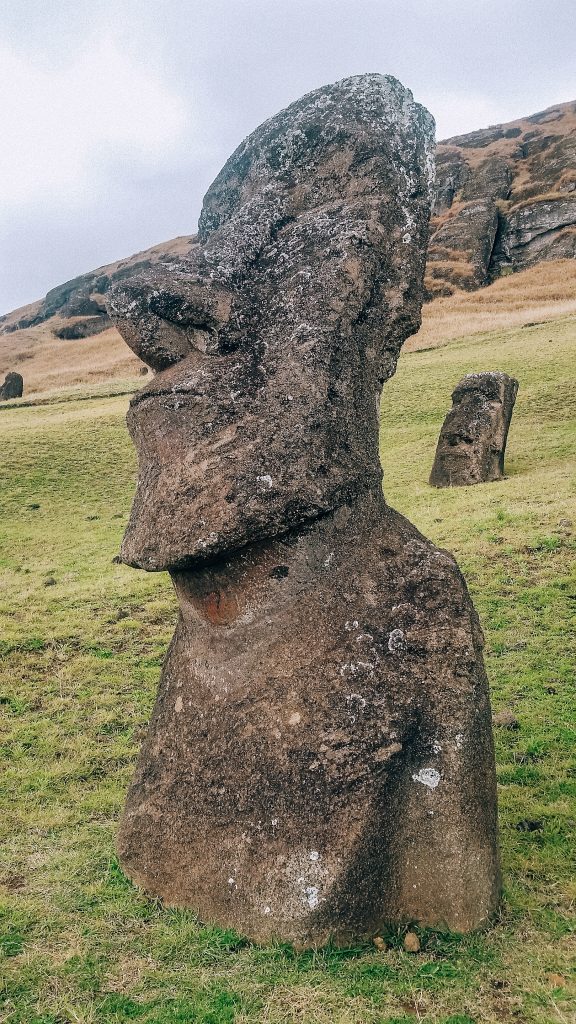
The moai were built by the Rapa Nui people between approximately the 13th and 16th centuries. There are around 900 of them on the island. How they were moved from the quarry at Rano Raraku to their platforms remains one of archaeology’s most debated questions. The theory that they walked, driven by a rocking motion using ropes, is one of the more compelling ones. If you want to go deeper on this before your visit, the book Easter Island, Earth Island is worth reading.
Easter island itinerary for 4 days
Day 1: Drive Around the Island
We slept quite late, exhausted after the whole day of travelling the previous day. Had breakfast, went for a little walk and around noon we thought it would be good to actually plan something for the day. Yes, we are not the planning in advance types. Since it was already quite late, we decided the best option would be to hire a car and drive around the island to get an idea for the following days of what to see and do.
Hiring a Car on Easter Island
Hiring a car on Easter Island is very easy. Unlike most places, it is a five-minute process without unnecessary hassle. There are a few places in Hanga Roa where you can hire a car. You can also ask the owner of your hotel or hostel, as we did. Many of them have cars for hire. The main companies are Oceanic, Insular and Mahinatur. Book in advance if you don’t want to risk it, particularly in peak season.
Expect to pay around USD 50 or more per day. Note that insurance is often not included, so check the terms carefully before you commit.
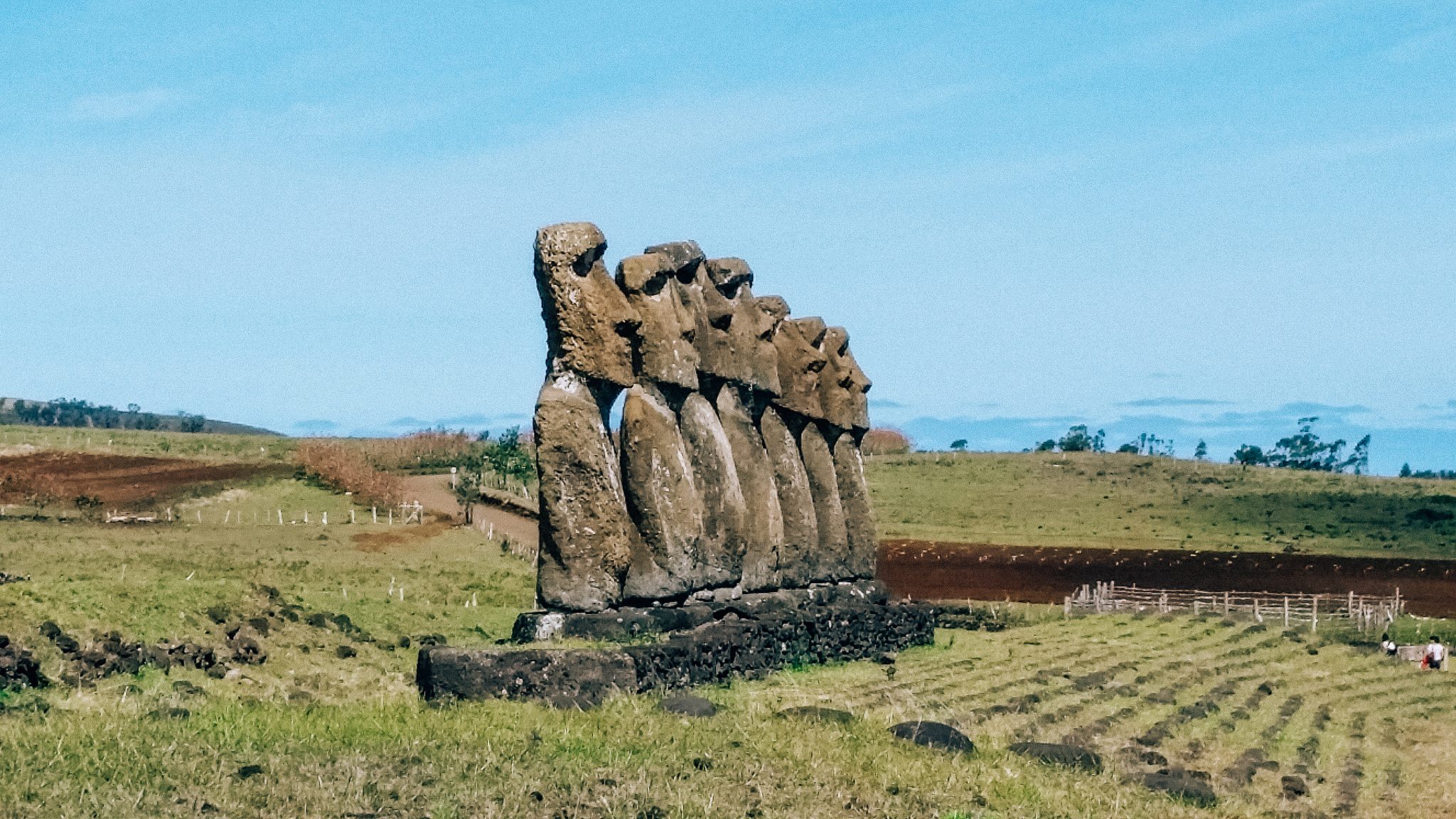
What we did on the first day: drove along the east coast to O’Rongo, Rano Kau, Rano Raraku, Ahu Tongariki, Anakena, Ahu Akivi and back to Hanga Roa. This was an orientational trip as we wanted to know the island a little before exploring it more deeply.
O’Rongo
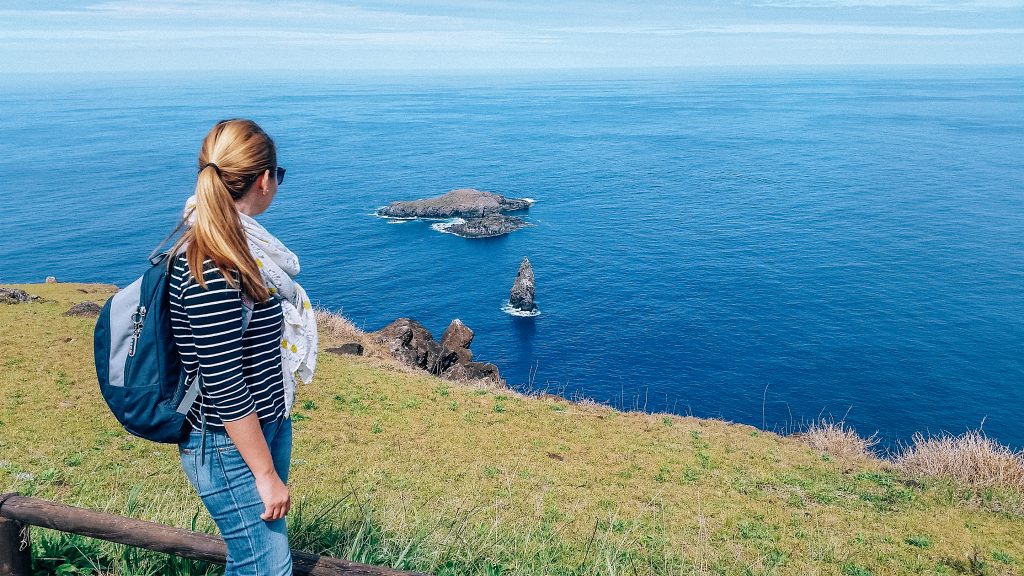
During the moai times, O’Rongo played the role of a ceremonial centre. In this village the Birdman ceremony was cultivated by native Polynesians. This was an annual event during which it was decided who would be the religious head of the island. Initiation rites were also conducted here, during which children were introduced into adulthood. The petroglyphs carved into the rocks are extraordinary.
Rano Kau
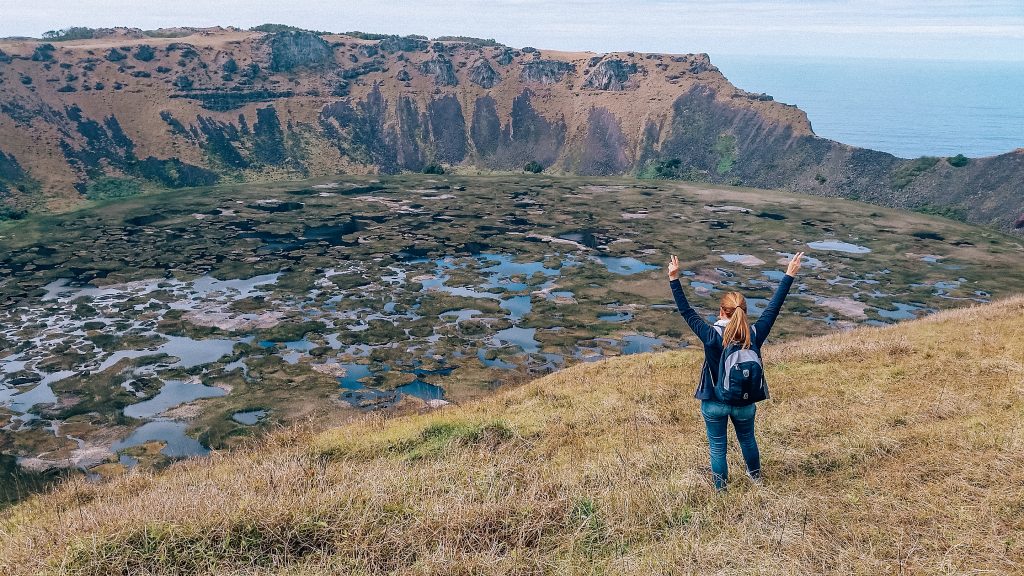
Rano Kau is one of three volcanoes on the island and the biggest. It is not just a crater, it is a natural beauty that will amaze you. Over 1.5 km in diameter and filled with fresh water, in the past it was the main source of fresh water for the island. The water surface is covered with floating grass of the same species found on Lake Titicaca. The climate inside the crater is warmer than the rest of the island and many different plants grow there, including various fruits. It is a great place for trekking and it is home to O’Rongo on its rim.
Rano Raraku: The Birthplace of the Moai
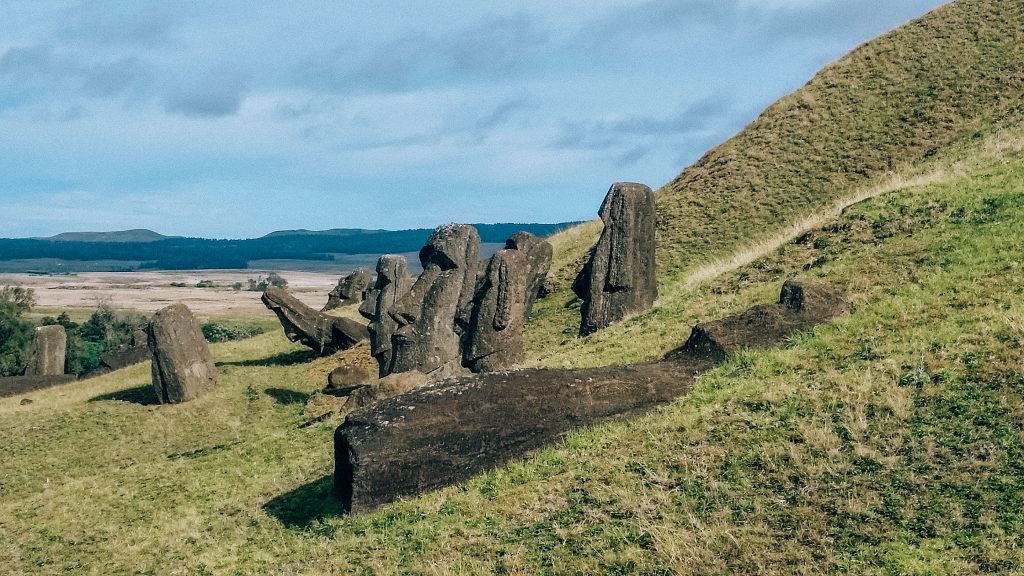
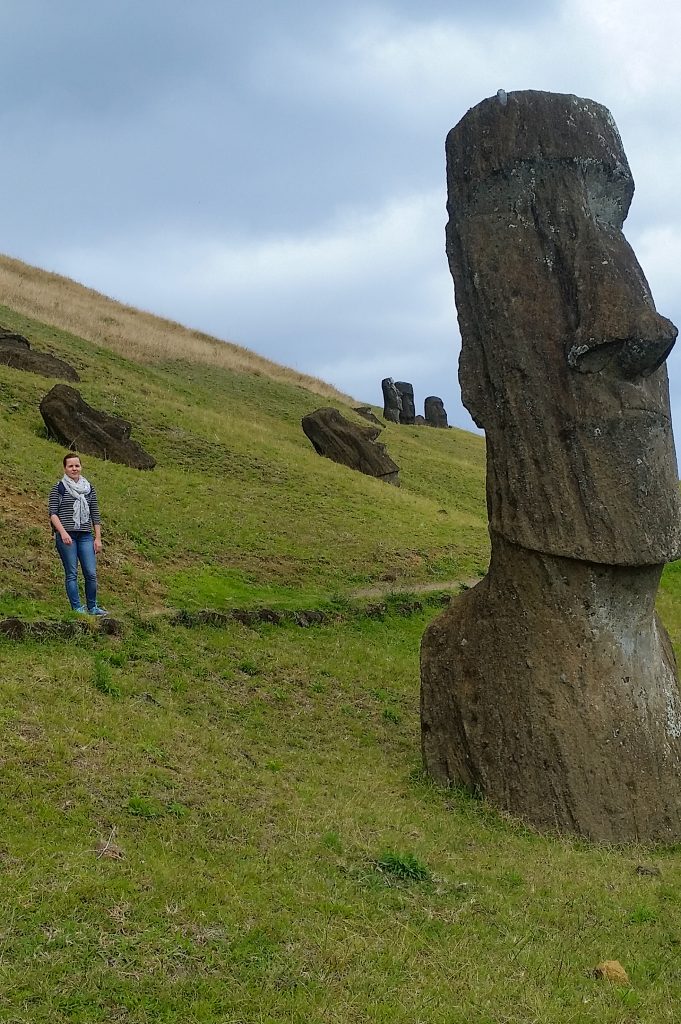
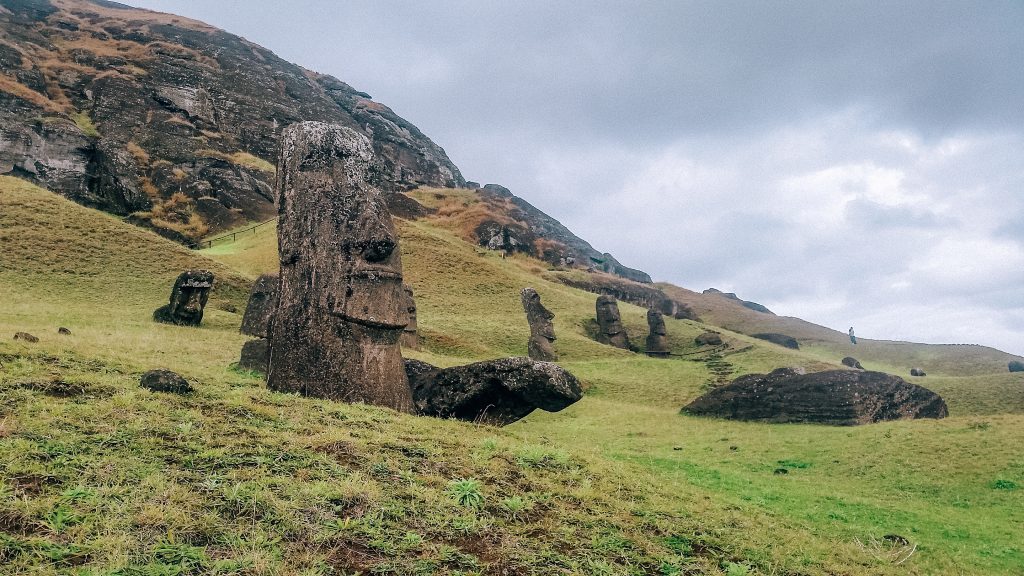
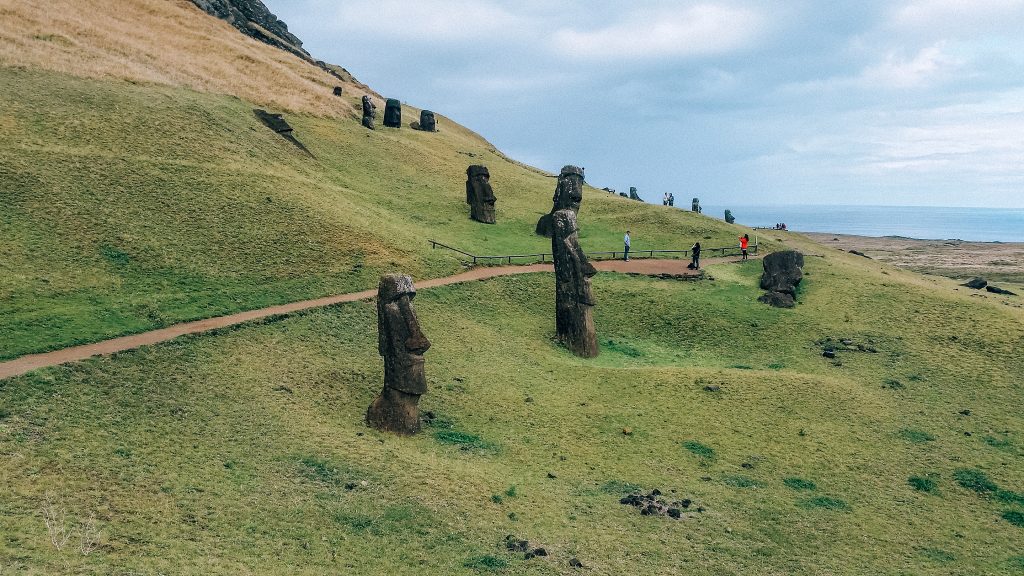
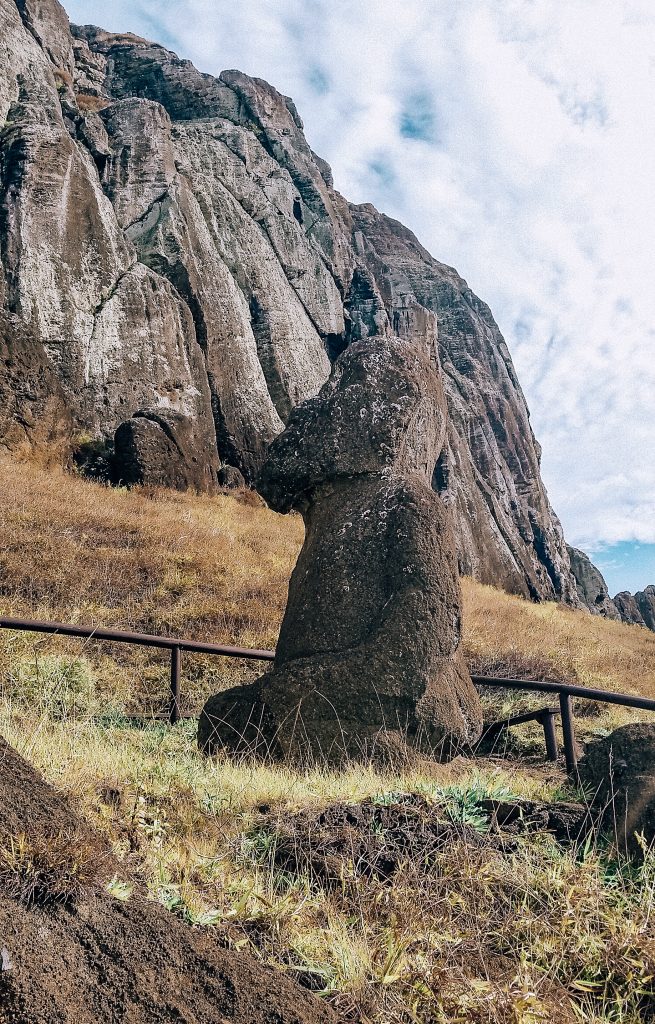
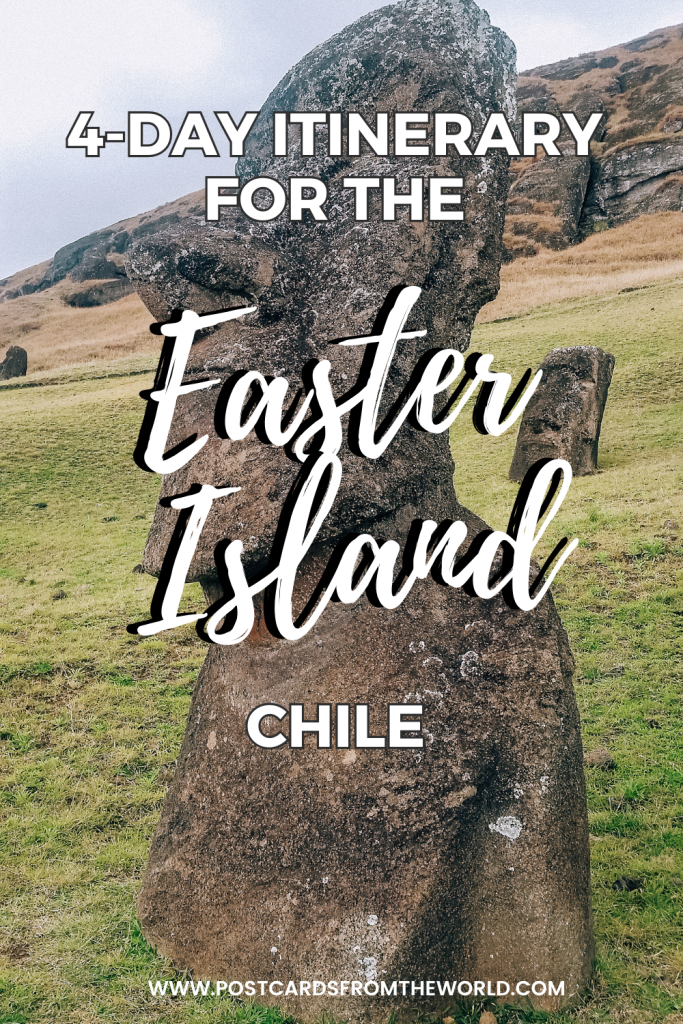
This was the place where the moai were produced, something like a workshop or factory. You see the statues half buried in the ground and randomly placed around. The truth is that they were not meant to remain there. They were waiting to be transported to other places on the island. You can still see the unfinished work, moai that were carved but never detached from the rocks.
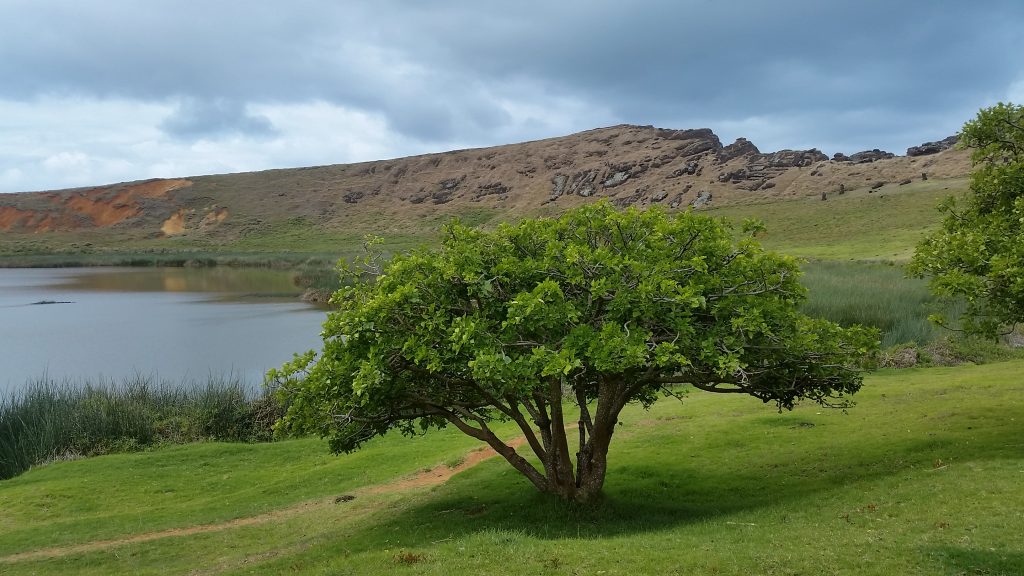
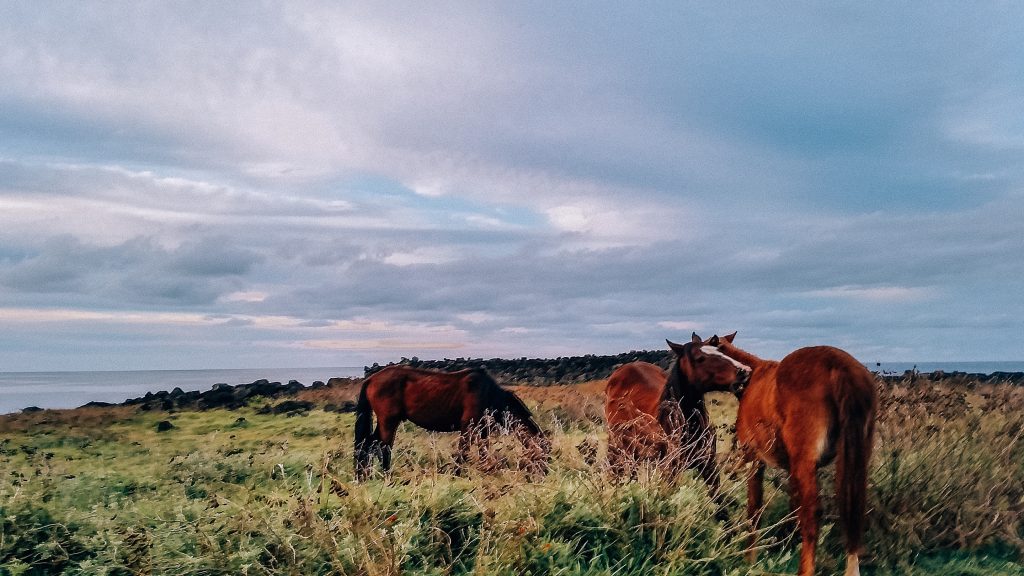
This park was spectacular. The whole island is like an open-air museum, but here you will find so many moai that you should not rush. We were particularly keen on walking up to the crater within the park, where you can sit on a bench under a tree and admire the silence and the beautiful landscape. Occasionally the silence was broken by galloping wild horses. What a sight.
I must admit I really enjoyed walking around the island. It has a specific smell, kind of flowery, and the freshest air. It is warm and pleasant and clear. After the trip I felt like I had been given an extra dose of pure oxygen directly into my lungs and brain.
We loved Rano Raraku so much that we went back again before our last day. Just could not get enough of it.
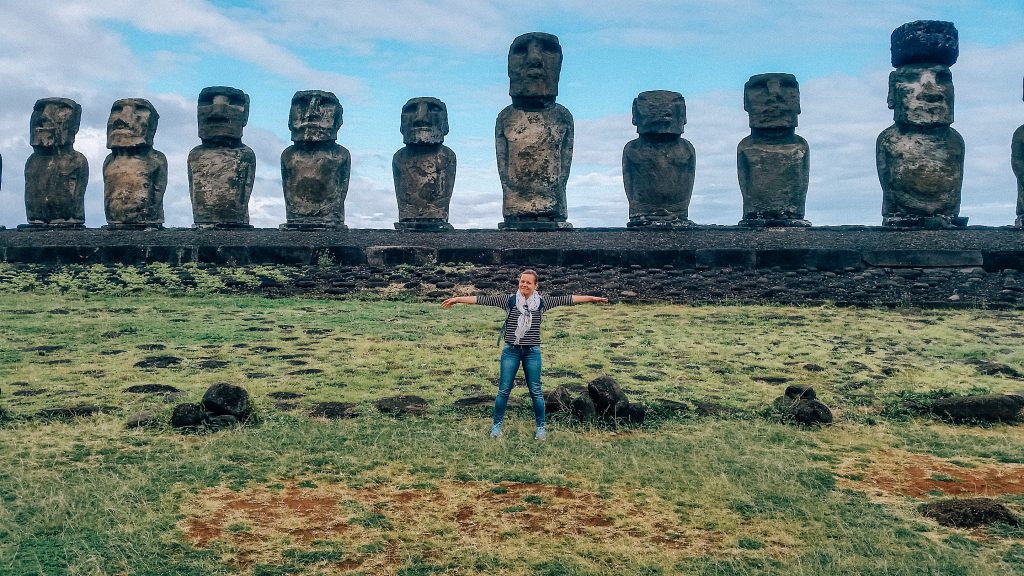
Ahu Tongariki
This is one of the largest platforms on the island, with fifteen moai standing in a row. You can go there to watch a sunrise and get some amazing photos. We did not do that. We loved our pillows too much.
The platform was destroyed by an earthquake in 1962 and later by the resulting tsunami. In 1992 a team of Japanese archaeologists undertook a five-year mission to restore it to its previous state. It is now one of the most impressive moai sites on the island.
Anakena
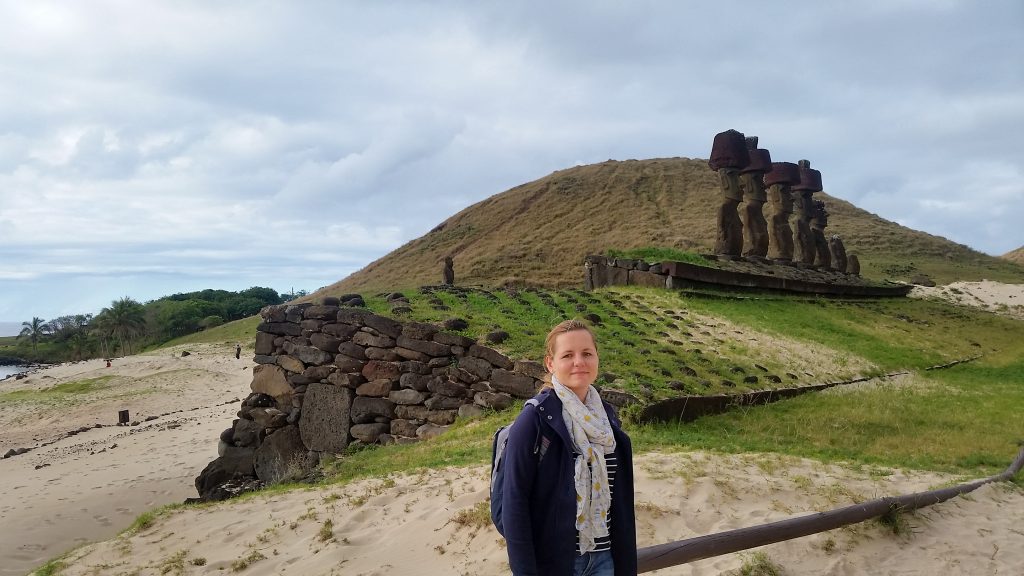
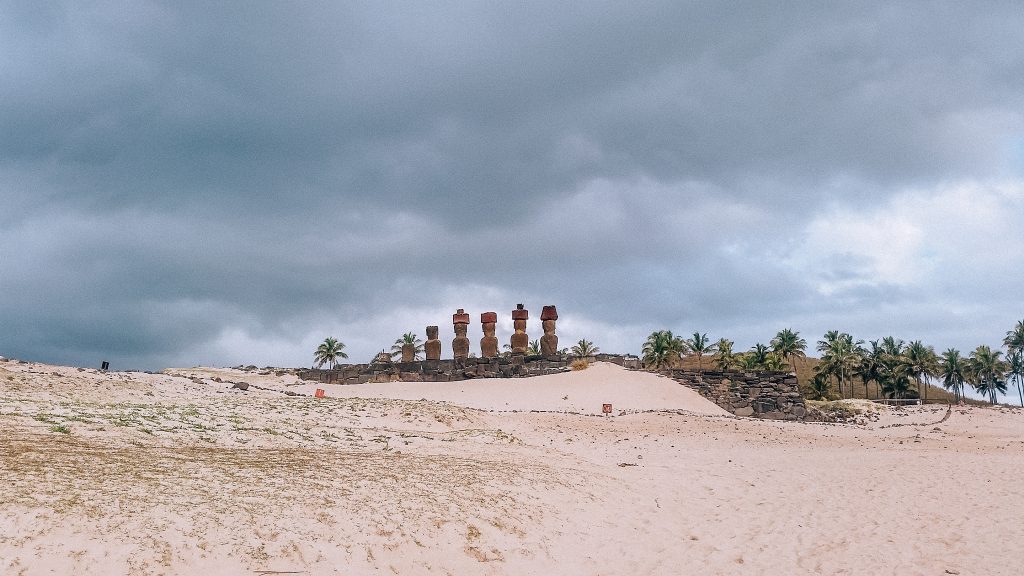
According to legend, Anakena beach was the first place where Hotu Matua, the first king of Rapa Nui, arrived and settled. You can notice that some of the moai here have pukao. It still remains a mystery why only some of the statues have those headdresses.
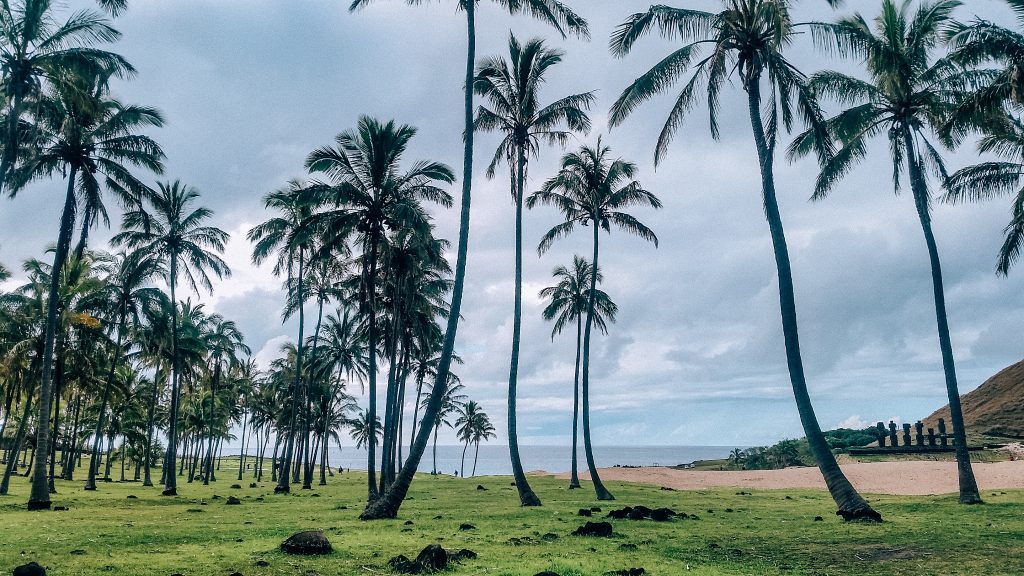
For a long time the beach was not accessible, considered a sacred place. Now you can enjoy the white sand of this idyllic spot, suntan, snorkel and do board sports. We loved it so much that we went back another day.
Ahu Akivi
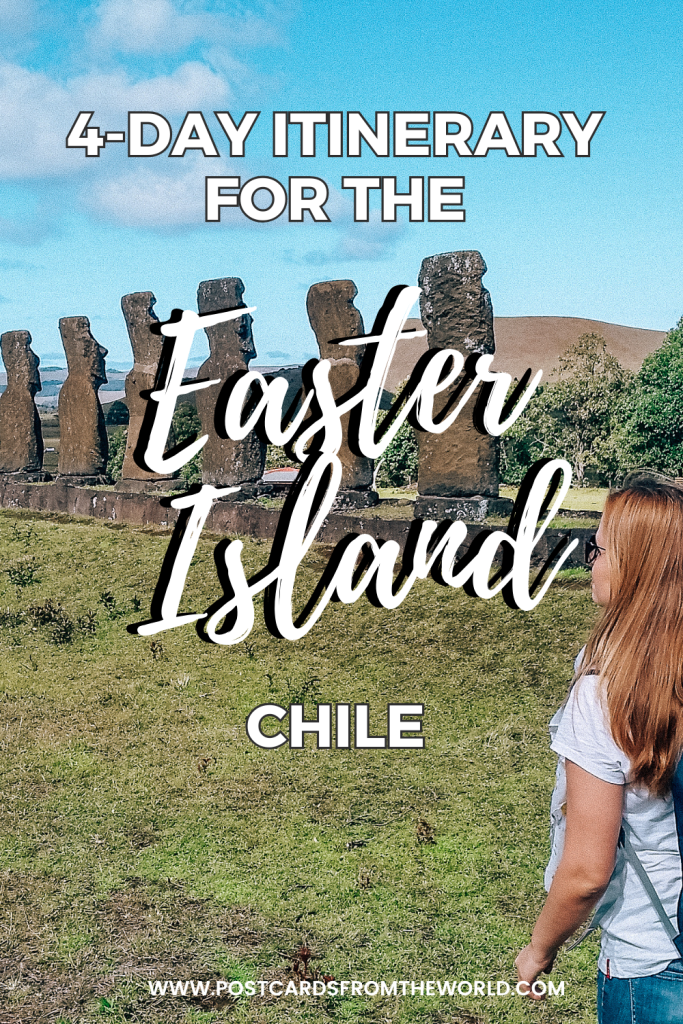
Unlike the other platforms, Ahu Akivi is inland and its seven moai face the ocean. It was damaged and restored by William Mulloy in the 1960s. Because of the way the moai were placed, they could watch both the ocean and the village.
Day 2: More Active and Back to the Favourites
The second day was more structured. The previous day we had basically seen most of the island’s sites but it was rather rushed. We were glad we did it though, as we knew how to plan the rest of the trip and which places deserved a slower return visit.
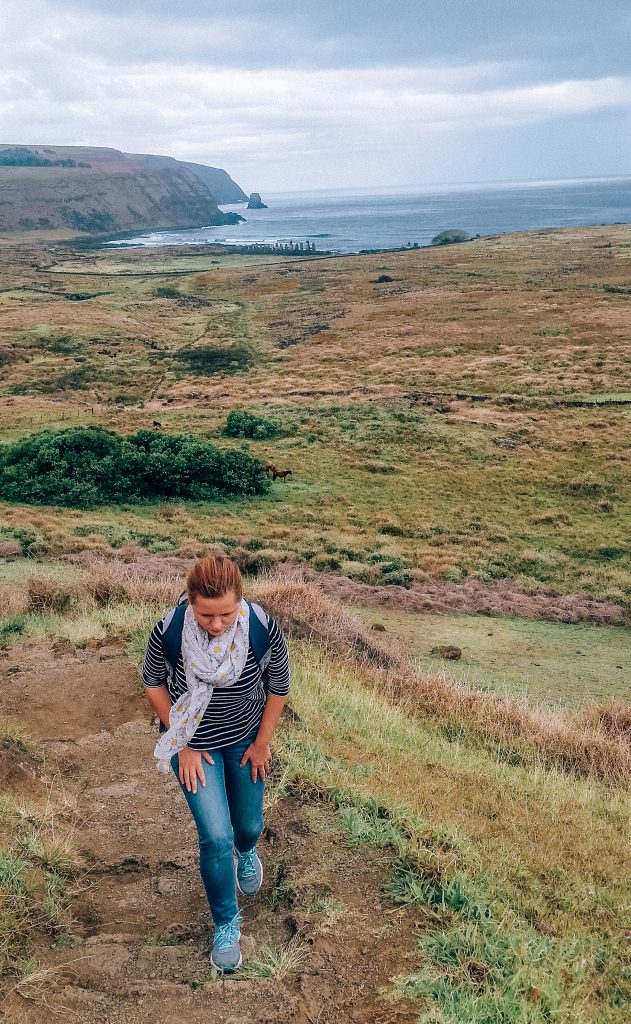
We decided to be more active and hike volcano Maunga Tere Vaka, from where you can see the whole island. We parked near Ahu Akivi. The walk to the top took around three hours up and back. The weather was amazing and the view calming. It was really quiet and the only people we met on the way were horse riders.
Tere Vaka is the highest spot on the island. From the top you can see just how small Rapa Nui is and how extraordinary it is that a civilisation of this scale developed here, so far from anywhere.
We also went back to Anakena beach, this time without rushing, and were able to enjoy it properly. Close to Anakena you can find the pristine and far less visited Ovahe beach, which is worth the short walk to get there.
Puna Pau
In Puna Pau the pukao were produced, the hat-like rocks that some moai wear. Those rocks actually represented hair, not hats. The red scoria rock was taken from inside the small crater of the volcano here and transported across the island. Seeing the unfinished pukao still sitting in the quarry gives you the same feeling as Rano Raraku, a window into the scale of what was happening here centuries ago.
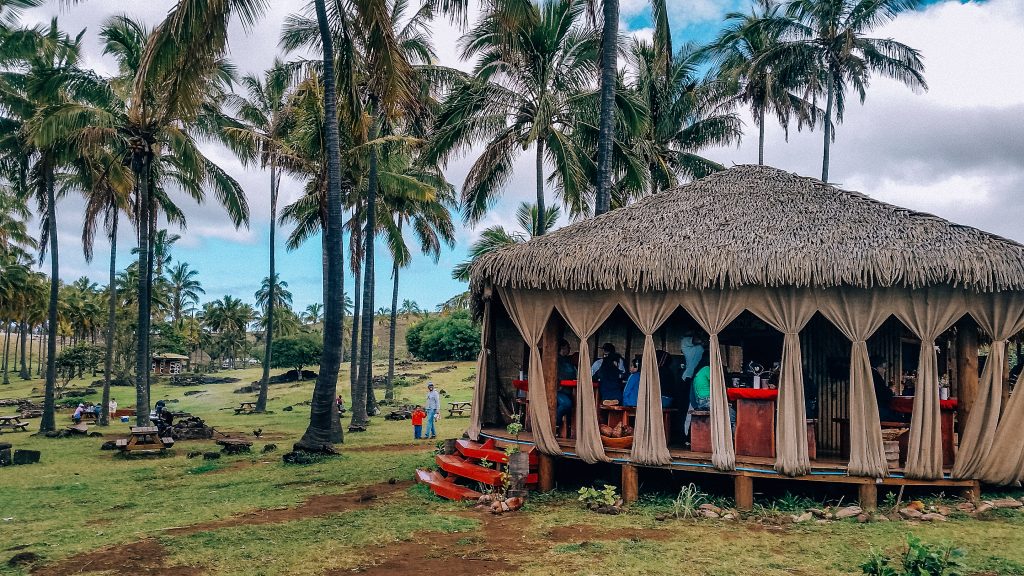
Day 3: Hanga Roa on Foot and an Unforgettable Evening
Before returning the car in the morning we drove again to Rano Raraku. Just could not get enough of it. And of course we spent some time in silence in the crater.
We had planned to hire bikes but decided instead to walk and enjoy Hanga Roa and its surroundings at our own pace.
Hanga Roa
We spent the whole afternoon wandering around the town. Sat on a bench and watched the ocean, had a coffee with a view, and walked far towards Ana Kakenga along the coast. The town is actually very pleasant and there is so much to see if you slow down enough. Walk around and look for moai, carved stones and hidden little beaches. They appear when you least expect them.
Tahai
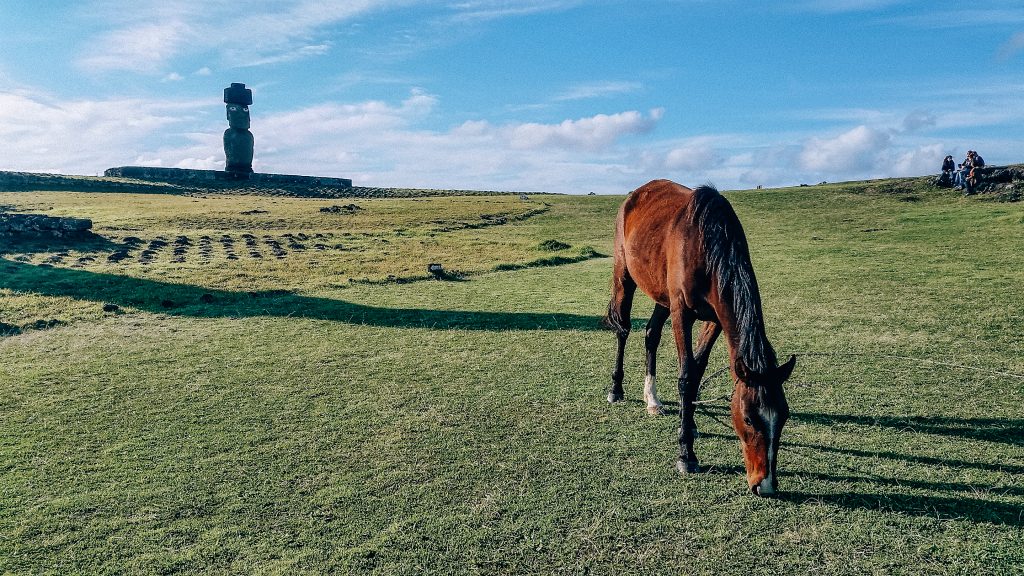
There are three ceremonial platforms in Tahai, Ahu Vai Uri, Ahu Tahai and Ahu Ko Te Riku. The last one has the only moai on the island with painted eyes, which is a replica, but gives you a powerful sense of what the statues may have originally looked like. The sunset from Tahai is one of the best on the island.
Ana Kai Tangata
The Ana Kai Tangata cave is covered with Manutara bird paintings connected to the Birdman ceremony at O’Rongo. It is good to combine visiting the cave with your trip to O’Rongo and Rano Kau as all three are connected to the same cultural tradition.
Kari Kari Ballet
In the evening we went to see a performance despite some people saying it is a cliché. It was not. The show lasted an hour, performed partly in the original Rapanui language, with tribal dancing, elaborate costumes and singing that was genuinely moving. After the show the group stayed on stage to meet and photograph with the audience. I would truly recommend it. There are a few groups performing in Hanga Roa but the most popular and by most accounts the best is Kari Kari Ballet, which is what we saw.
Day 4: A Slow Morning and One Last Look
The last day we decided to just chill and walk around. We bought amazing empanadas and cake from a bakery on the main street and enjoyed the last meal before the flight with a beautiful view of the landscape. It was the right way to end it.
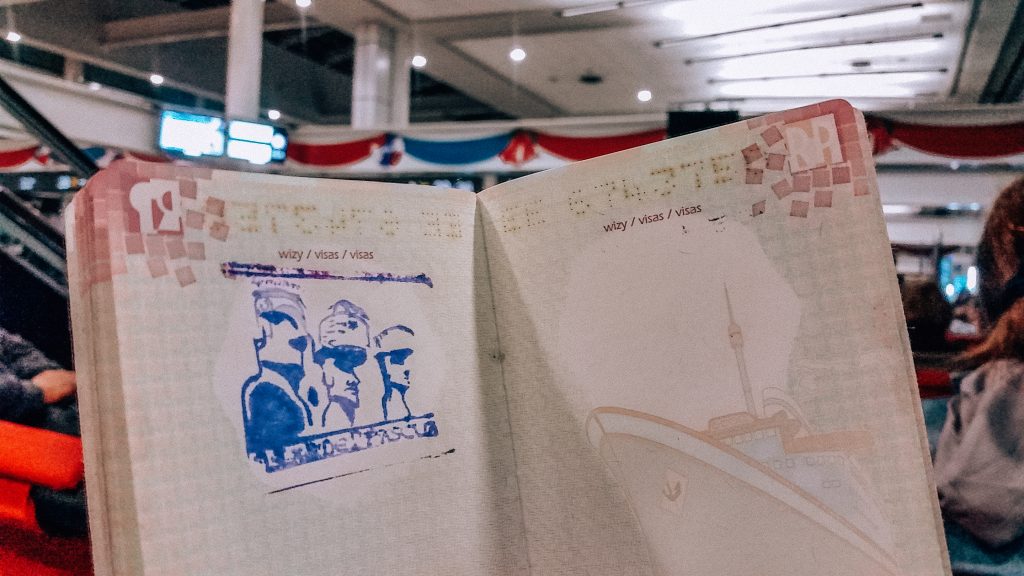
One thing before you leave: go to the post office in Hanga Roa and get your passport stamped. It is one of the more unusual stamps you will collect anywhere and absolutely worth the few minutes it takes.
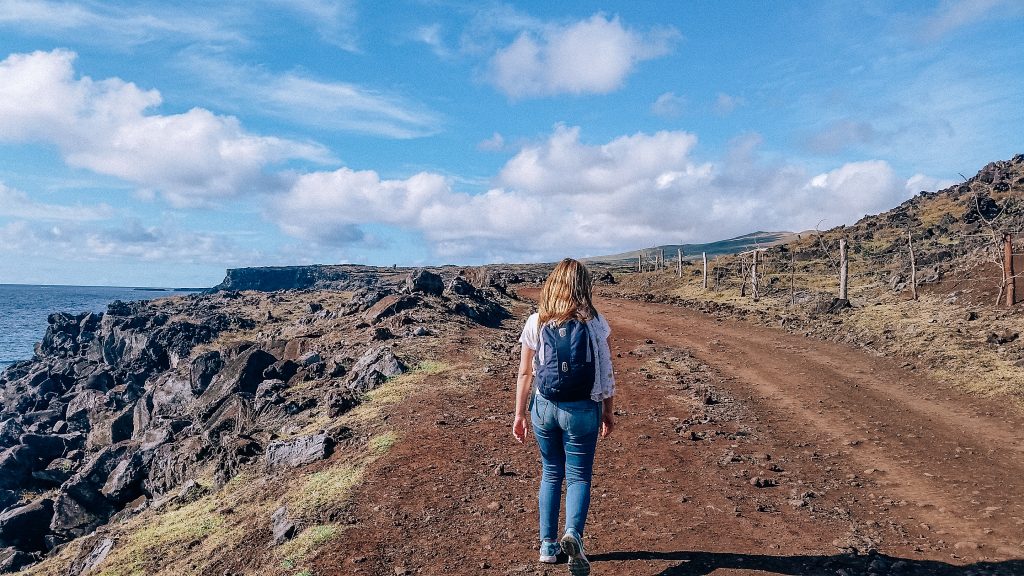
Diving and Snorkelling
Easter Island is a perfect place for diving and snorkelling. With visibility of up to 50 metres, this part of the world has some of the clearest waters on Earth and is home to some extraordinary marine species. If you dive or snorkel, it deserves at least a morning of your time.
See also:
- Getting high? 8 tips how to survive high altitude sickness.
- An ultimate guide to Geyseres del Tatio in the Atacama- a wonder at high altitude.
- 12 cool things to do in Atacama.
- A road trip around Chiloé island in Chile: charming churches, whales and more.
- Caleta Buena. In search for penguins and discovering hidden gems of Chile.
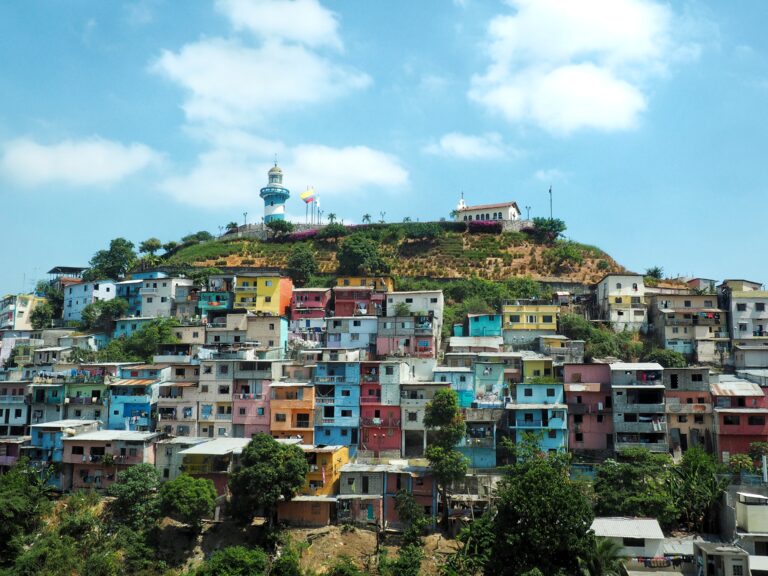
- A quick guide to Valparaiso. Chilean city painted by a rainbow.
- So you say you speak Spanish? A little guide to speaking Chilean language.
- Street art in Antofagasta, the capital of the Atacama desert
Practical Tips for Easter Island
How to Get There
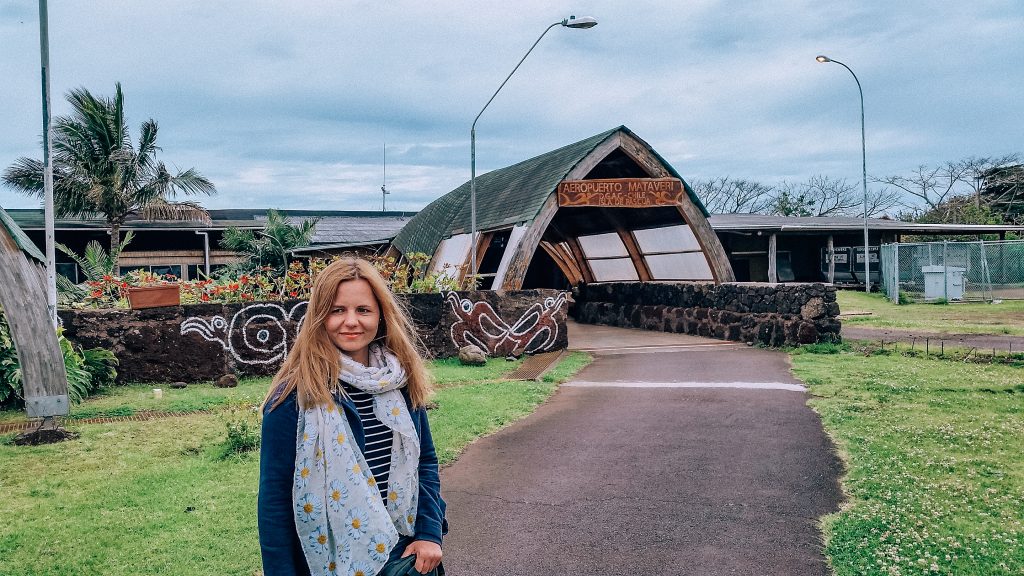
You can fly with LATAM from Santiago. The flight takes approximately five hours. As Easter Island is extremely remote, flights are not cheap. Return fares range from around USD 400 to USD 1,000. Use Skyscanner with flexible dates to find the best prices and book as far in advance as possible.
How to Get Around
It is very easy to explore the island. You can hire a car, a bike, a scooter, a quad, or join a tour if you prefer to have everything organised. You can even ride a horse. If you prefer to manage your own time, it is one of the easiest places in the world to visit independently. Just get a map and you are set. For cyclists, the island is great but a bit hilly in places. You can cycle from Hanga Roa to Anakena in around two hours.
Costs
The trip does not need to be extremely expensive, though the flights are the biggest spend.
Accommodation ranges from around USD 50 to USD 400 per night. We paid USD 54 for a double room with a bathroom in a hostel. It was not very nice, cleanliness seemed to be something of a luxury there, so I would suggest spending a little more if your budget allows.
For food, restaurants cost us between USD 30 and USD 60 for two people for a two-course dinner with drinks. During the day we bought from the supermarket or the local bakery to save time and money.
Car hire costs around USD 50 or more per day without insurance. Bike hire is approximately USD 11 for 8 hours or USD 16 for 24 hours. Organised day trips average around USD 45 per person, though with a car and a map the island is straightforward enough that a tour adds limited value.
What to Expect
Easter Island is still largely unspoiled. Wild horses roam freely everywhere, including through Hanga Roa itself, alongside cows and hens introducing yellow chicks to the world. It operates by its own logic, largely indifferent to the conventions of the outside world, and that is a large part of what makes it so memorable.
Use my favourite travel resources to plan your dream trips
- Booking.comfor searching best prices on accommodation.
- AirHelp helps to get compensation for cancelled or delayed flights.
- Travel Payouts is my favourite platform for monetizing the blog.
- Discover Cars is a great website as they search both local and international car hire services, so you can choose the best deal for yourself. Make sure though, that the company has a good reputation and reviews.
- Get Your Guide is my place to go for searching and booking tours and excursions, especially when I travel solo.
- World Nomads and EKTA travel insurance. I like them because they have quite extensive coverage of different activities.
- WeGoTrip sends you audio guides to your mobile, so you can visit places while learning history and interesting facts easily and for little money.
- Go City is a perfect site for booking bucket list experiences and attractions all in one to avoid paying for multiple tickets. Easy and saves money. You can even save 50%.
- Trip Advisor– amazing for good quality recommendations.
- Skyscanner is a perfect website for searching flight routes and comparing prices.
- Airalo is my eSim choice for alternative data abroad.
Did you like the post? Pin it for later:


¡Qué precioso el reportaje de la Isla de Pascua! ¡Y qué completo y qué lardo, con todo detalle, no le falta nada!
Anna, eres un genio. Gracias por hacernos soñar viendo esos lugares maravillosos.
Muchas gracias, Cristina, por visitar. 🙂
Great read! How hard was it to get there? And what were the prices like on the island?
Thanks!
Thanks Lisa. I will add those info to the post. Thanks for the tip.
Anna, all your posts are beautiful but this one is awesome, so inspiring!!!! Lovely pictures of an incredible place and such an excellent guide for 4 days!!!! I will go back to Easter Island for another 4 days,… just to follow your guide!!! 🙂
I really like these photos – great colours and their perspective. I didn’t actually know that it was soooo expensive there!
http://www.travelekspert.com/2015/10/4-tips-for-visiting-tokyo-on-budget.html
It really helps. I am planning to travel to South America, and making itinerary to this island. Thanks, Anna.
Hi Relinda, I’m glad you have found it useful. Thank you for visiting and have a lovely trip. It is a beautiful place to visit.