
Where to See Penguins in Chile: Caleta Buena and Other Spots Worth Knowing
If you are wondering where to see penguins in Chile, you are in the right place, though fair warning, this guide comes with a confession.
I have a penguin problem. Not in the sense that they follow me around, quite the opposite, actually. For the entire time I lived in Chile, nearly four years, I chased those little birds across the country and came back empty-handed every single time. Multiple trips, multiple locations, multiple near-misses. At some point it stopped being bad luck and started feeling personal.
Chile is genuinely one of the best countries in the world to see penguins in the wild — if you know where to go and when. The cold Humboldt Current flows all the way up from Antarctica along Chile’s enormous coastline, creating the perfect conditions for penguin colonies to thrive as far north as the Atacama Desert. So the opportunities are real. My timing, apparently, was not.
This post covers the spots worth knowing , starting with one that most people have never heard of.
Penguins in Chile: What You Need to Know First
Chile is home to several penguin species, the most common being the Humboldt penguin, which nests along the Pacific coast from Patagonia all the way up to the Atacama. The Magellanic penguin is the one you find further south, around Punta Arenas and Tierra del Fuego. King penguins, the tall ones that look like they are dressed for a formal occasion, exist in very small numbers in the extreme south.
The key thing to understand before planning a trip around penguins is timing. Colonies are most active and easiest to spot between October and March, which is the southern hemisphere spring and summer. Outside of that window — and sometimes even within it depending on weather and migration patterns — you can arrive at a perfectly good penguin spot and find nothing there. I know this from experience. Several experiences.
Caleta Buena: The Hidden Spot Locals Know
It was a Friday evening, a surprise birthday dinner for María, a friend I made during my years in Chile. At some point in the conversation I mentioned my ongoing failure to find penguins — four trips to Pan de Azúcar alone, various other attempts, zero penguins. María’s boyfriend looked up and said, almost casually: “Why don’t we take you to see penguins this Sunday?”
I did not need to think about it.
They picked us up just after 8am on Sunday morning. We made a quick stop at the local fish market to collect a previously ordered fish for lunch — which tells you everything you need to know about how this day was going to go — and two hours later we arrived at Caleta Buena, a small fishing settlement on the Atacama coast where María’s boyfriend grew up.
Caleta Buena is not in the guidebooks. It does not appear on most tourist itineraries. The locals know it, and that is more or less where the knowledge stops. Which is precisely why it is worth knowing about.
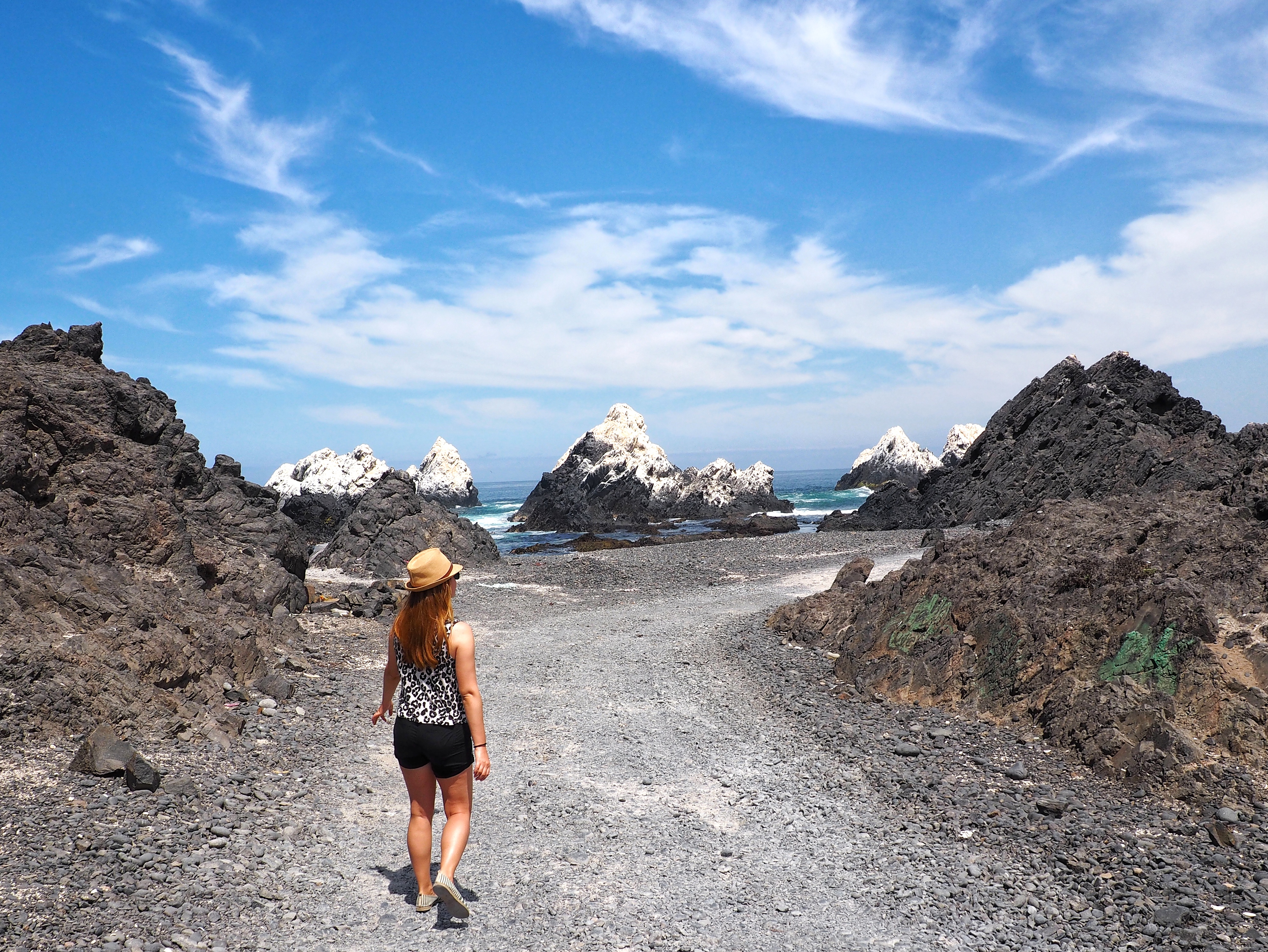
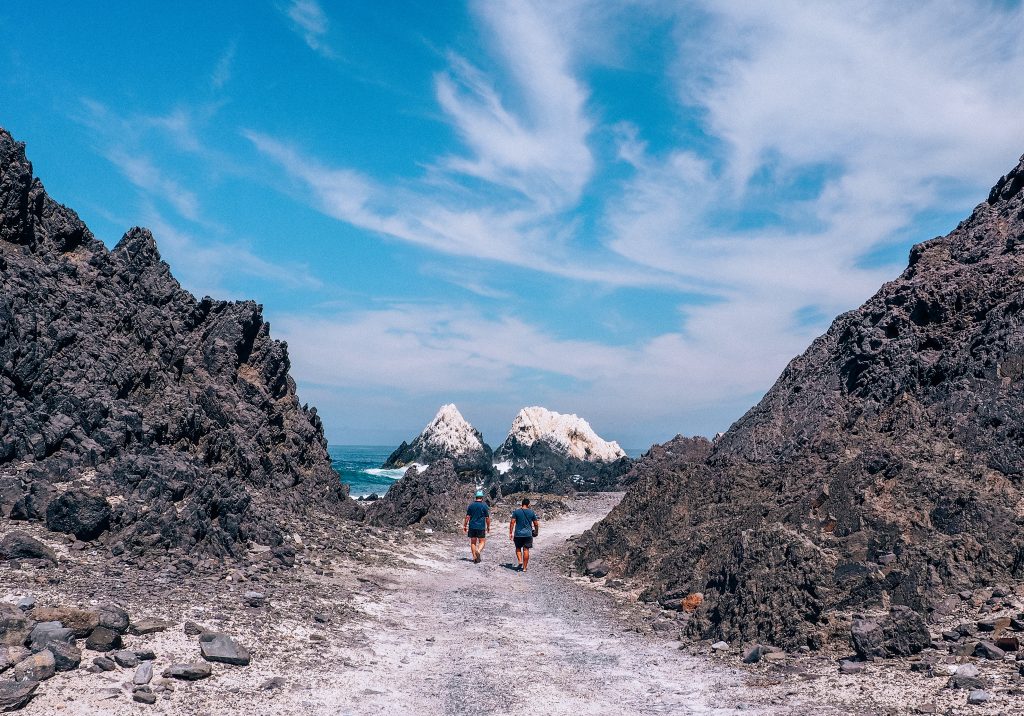
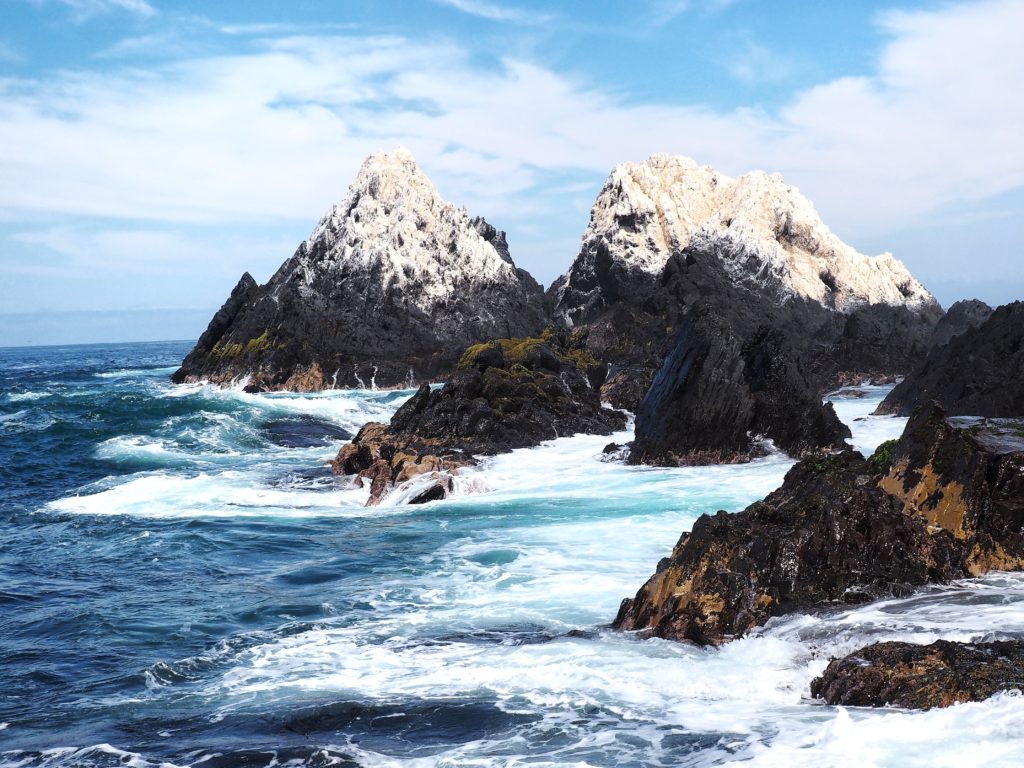
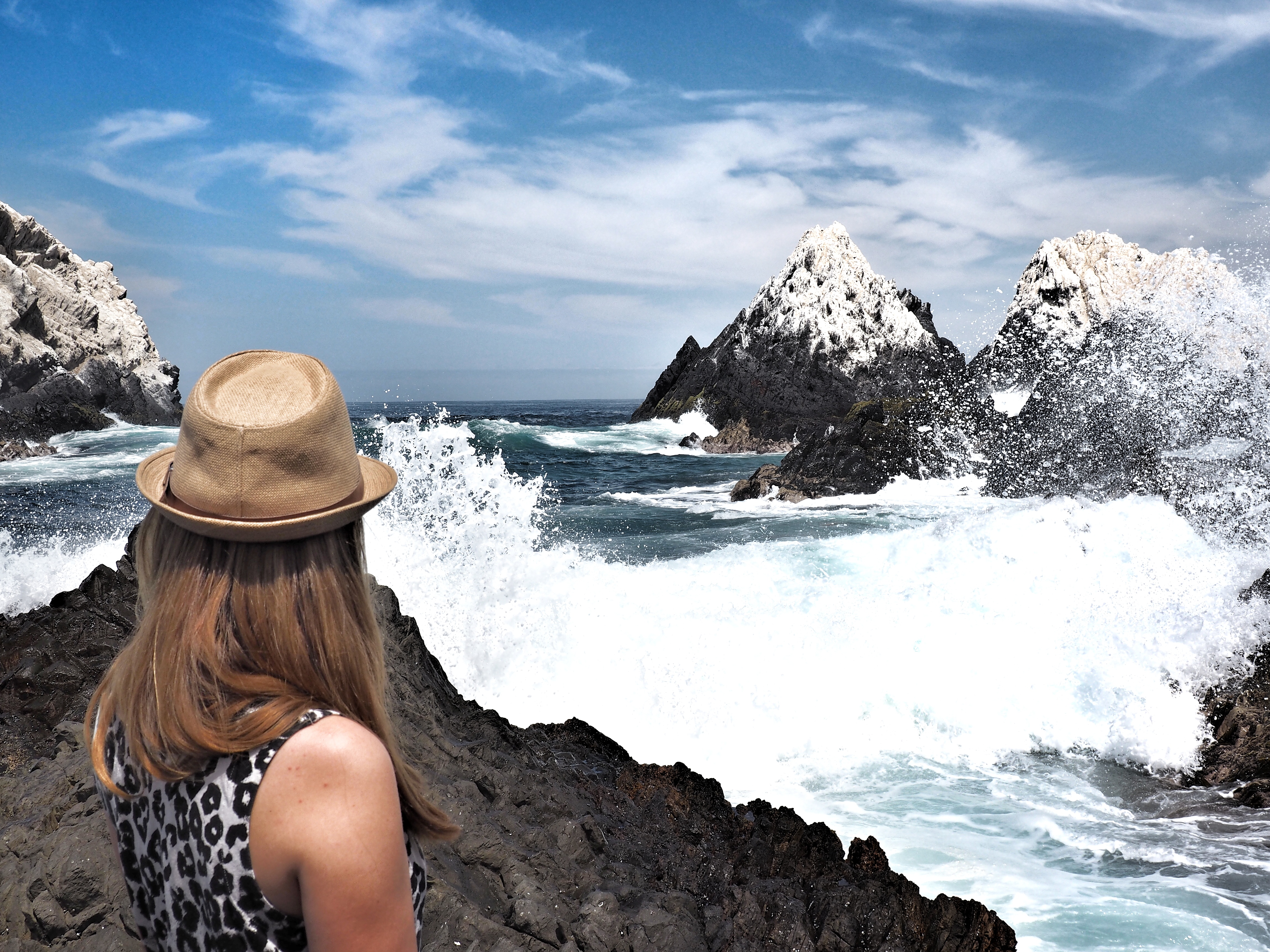
After a generous application of sunscreen — the Atacama sun is not negotiable — we started walking. A short drive on dusty, uneven ground and then a brief walk brought us to a small bay. The Pacific was deep blue with occasional shades of turquoise and green, throwing itself furiously against the rocks. Little rocky islets shaped like ice cream cones, covered in bird waste and completely unbothered by their own appearance, sat just offshore. I took approximately too many photographs. I always do near water, especially after months of living surrounded by desert.
We did not find the penguins at the bay. As the family cheerfully informed us, the penguins had been there that very morning. Of course they had.
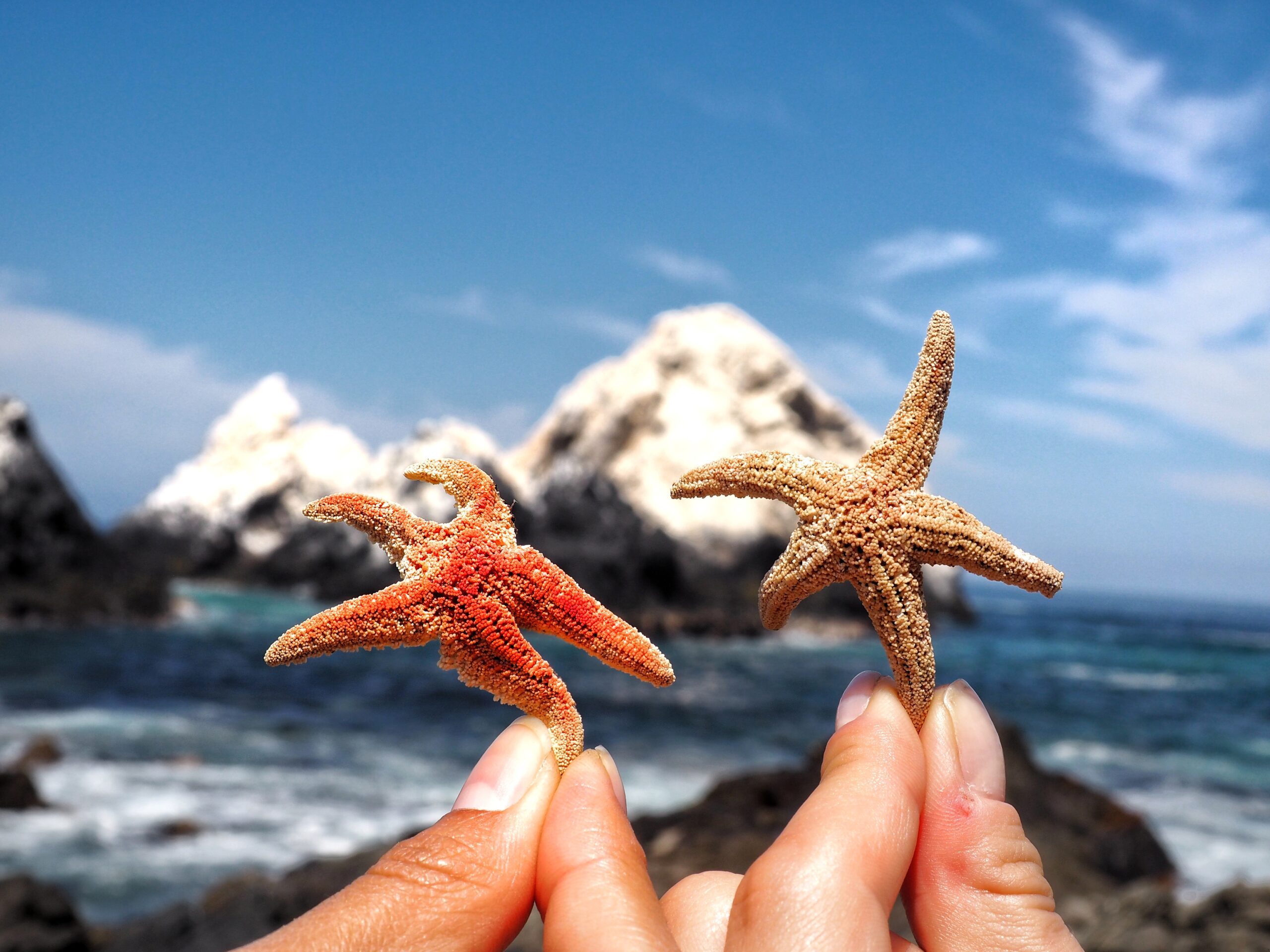
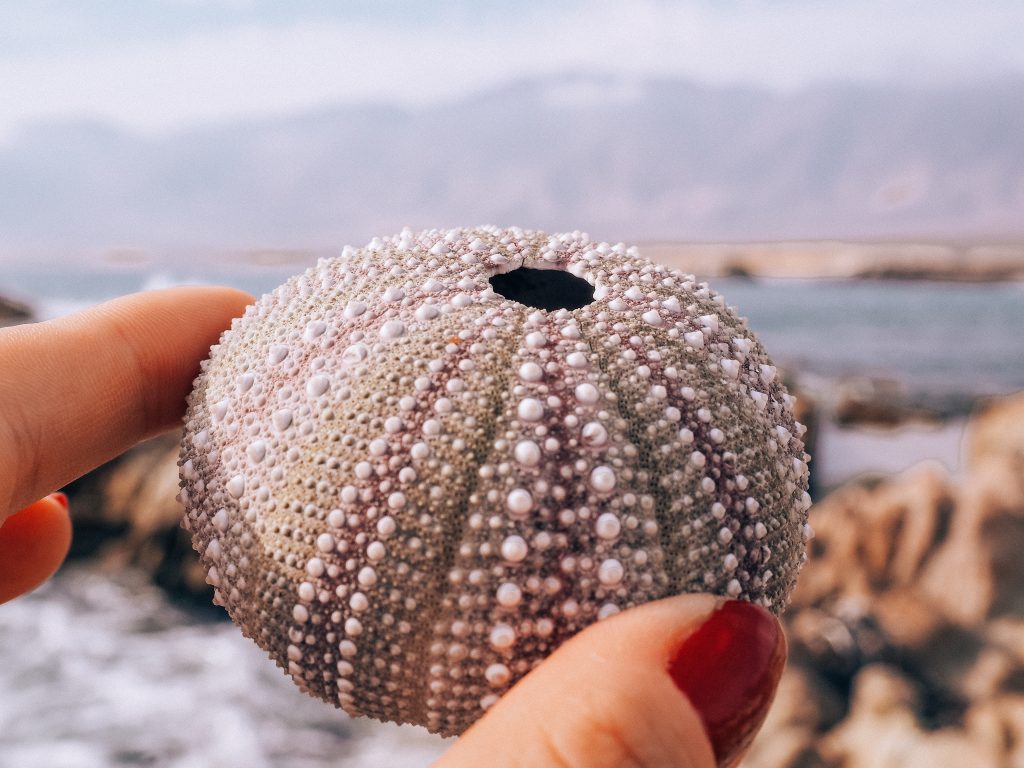
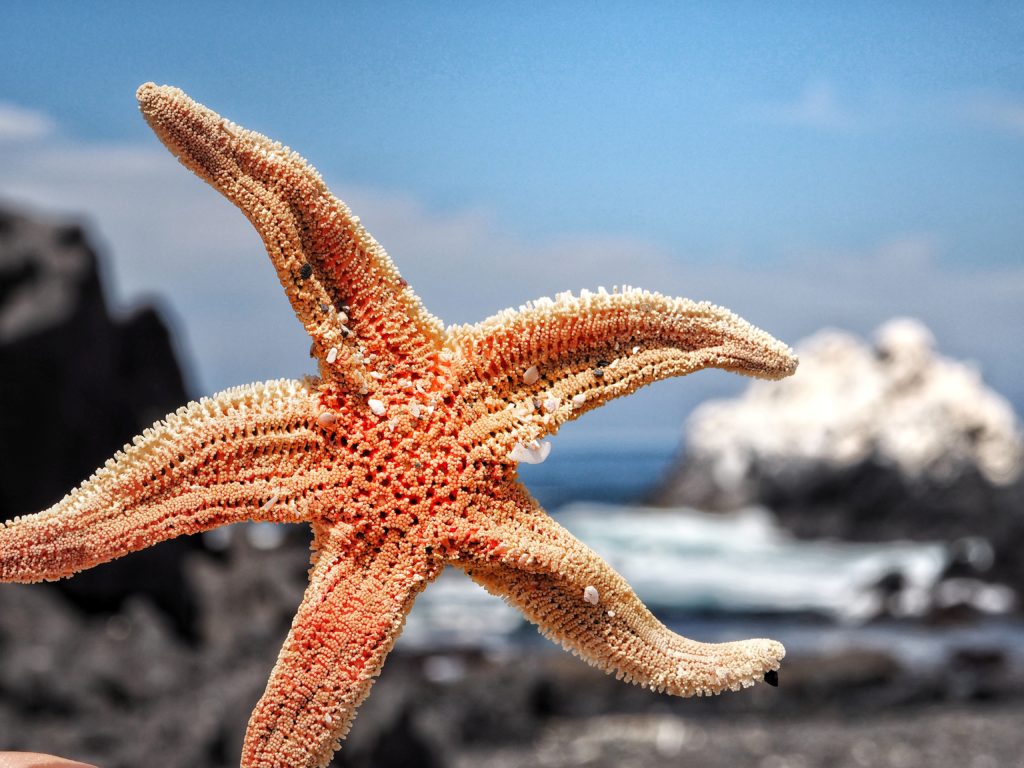
What we did find were starfish — dozens of them, thrown up by the waves and scattered across the rocks. Beautiful in an unexpected way. We also found a level of quiet that is hard to come by. No other tourists, no noise beyond the ocean. Just the four of us, the birds, and the sea.
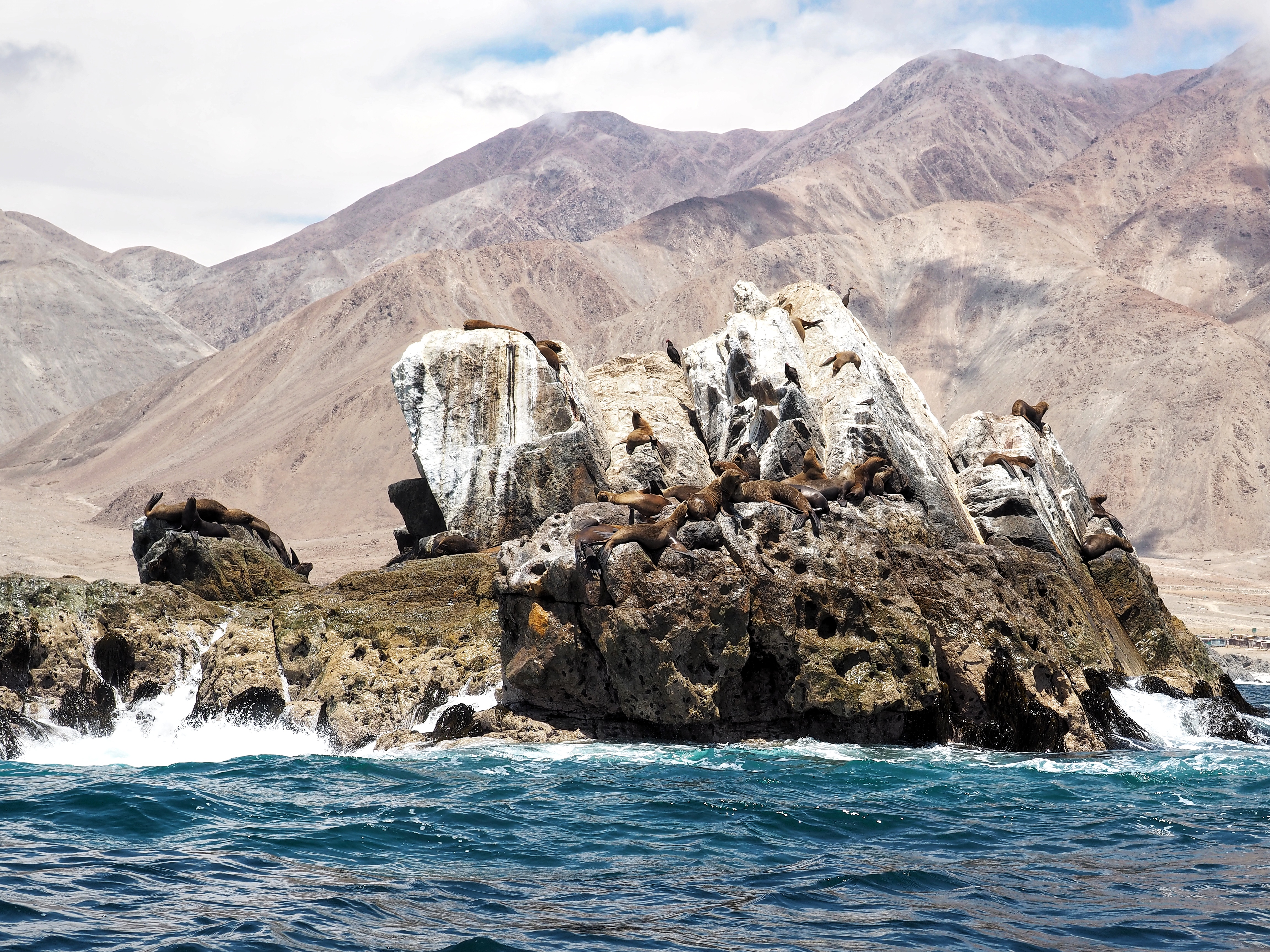
Later the family arranged a boat trip to some nearby islands to check whether the penguins had relocated there for the afternoon, together with the sea lions and pelicans. They had not. The view from the water was genuinely worth it though — the desert meeting the ocean from a completely different angle is one of those images that stays with you.
We did not find the penguins. The day was memorable anyway.
What Else to See Around Caleta Buena
This stretch of coast between Antofagasta and Iquique is full of things that barely make it onto any tourist map, which makes the drive worthwhile even if the penguins are uncooperative.
Normitas restaurant — eat here. Norma, the owner and cook, serves food that tastes like it came from someone’s kitchen because in many ways it did. The empanadas are exceptional. The restaurant has something of a local legend status in the area — Alexis Sánchez, born in nearby Tocopilla, is apparently a regular. Worth stopping for even if you are not hungry when you arrive.
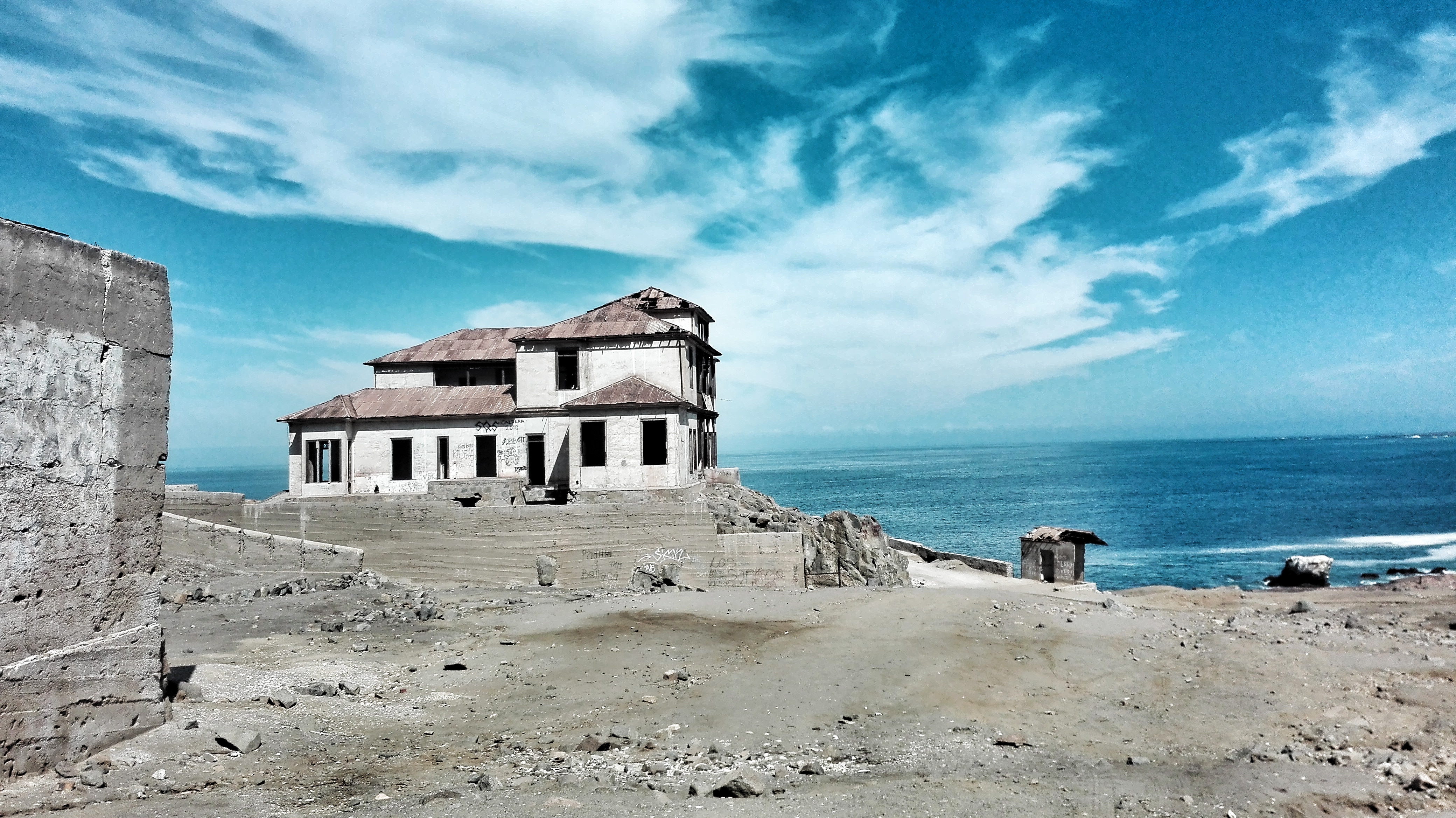
Gatico Castle and the ghost town — the ruins of a small castle and an entire abandoned town sit in the middle of the desert, slowly being reclaimed by dust. Gatico was built in the early 19th century by the Bolivian government — this region belonged to Bolivia at the time — to house workers from the saltpeter mines. The whole thing now sits empty and slightly eerie, which makes it one of the more quietly fascinating stops on this stretch of coast.
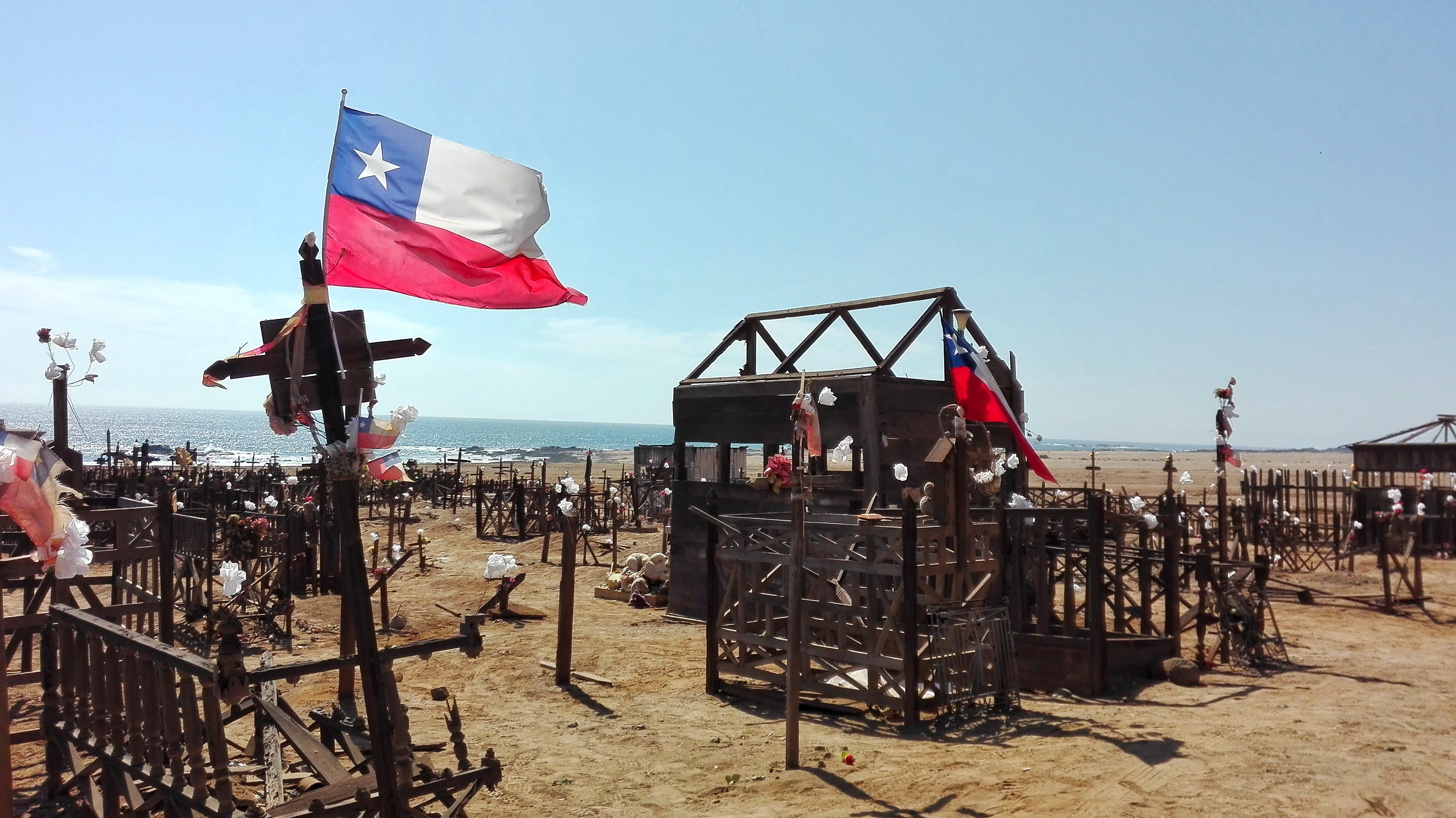
Gatico Cemetery — close to the ruins, and worth a few minutes if you find abandoned and historic places as interesting as I do.
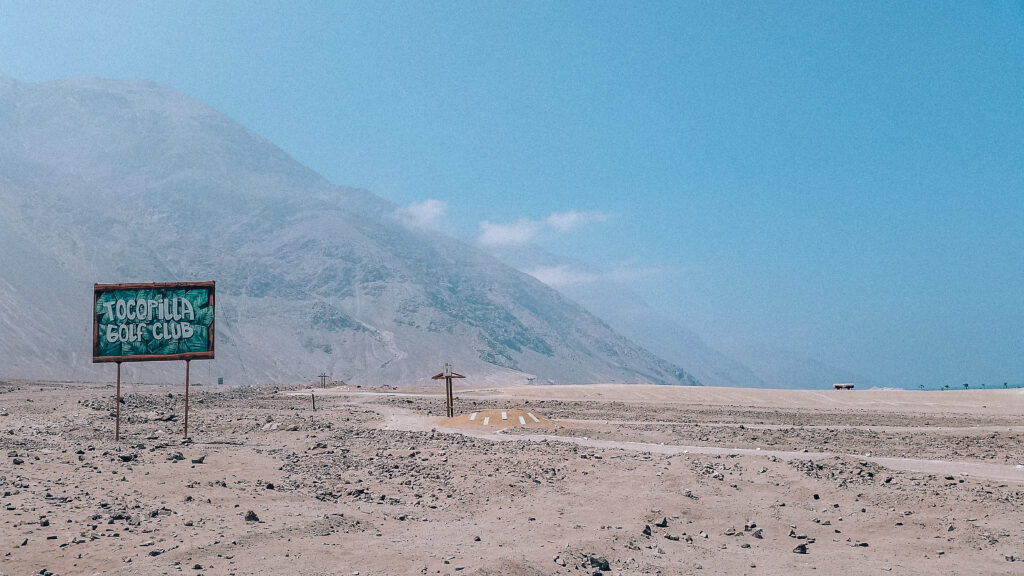
Desert golf course — there is a golf course out here in the middle of the Atacama. I spent years living in Scotland, which has golf courses the way other countries have petrol stations, so I am perhaps not the most objective judge. But a golf course in the desert is a genuinely surreal thing to stumble across and I recommend stopping to look at it for a moment even if golf holds zero appeal.

See also:
- You know you are in Chile when…
- Chilean bucket list. What to see and do in Chile.
- Ultimate Guide to San Pedro de Atacama: Insider Tips from a Long-Term Local
- Pan de Azúcar National Park Chile: The Complete Guide to This Atacama Hidden Gem
- Living in a desert. All you need to know.
- Road trip to Lago Chungará.
- Chiloé Island Road Trip: UNESCO Churches, Whales & Everything You Need to Know
- I saw penguins and whales! A boat tour to rememeber in Chiloé island.
Other Places to See Penguins in Chile
Since Caleta Buena did not deliver on the penguin front, and in the interest of saving you the trouble of repeating my mistakes, here are the other spots worth knowing about.
Pan de Azúcar National Park This is where I spent the most time attempting and failing to see Humboldt penguins. They live on a small island just offshore, visible from the beach. The boat trip is run by local fishermen, and whether it actually happens depends entirely on weather conditions, the availability of permission (issued the same morning), and apparently the mood of whoever you are dealing with that day. On one of my visits, the fisherman we had arranged things with decided he preferred to sit at his craft stall. We begged. It did not help.
If you do manage to arrange the boat trip, the penguins are there. The logistics around getting on it are the challenge. Go on a weekday if you can, go early, and do not assume that anything agreed the day before will definitely happen.
The park itself is worth visiting regardless. Wide white-sand beaches, dramatic rock formations, sea lions, pelicans, and the particular silence of a desert coastline. It is one of those places that surprises you.
Punta Arenas and Isla Magdalena Further south, in Chilean Patagonia, Isla Magdalena is home to one of the largest Magellanic penguin colonies in South America. This is the more reliable option if penguins are the main goal, tens of thousands of them nest here between October and March, and boat trips from Punta Arenas are well organised and run regularly during the season.
I arrived a few weeks too early on my visit. The penguins were not yet there. This is the kind of thing that feels like bad luck in the moment and reads as poor planning in hindsight. Check the dates before you book anything.
Tierra del Fuego was the place the one time I actually succeeded. A small colony of king penguins lives in Tierra del Fuego and I did manage to see them: tall, impeccably dressed, and entirely indifferent to my presence. Worth the trip to the end of the world.
Isla Damas A penguin spot in the north of Chile that I failed to reach after several hours of driving through the desert, getting slightly lost, and arriving ten minutes after the last boat of the day had left. I include it here as a caution rather than a recommendation: check the boat times well in advance and give yourself more buffer than you think you need.
How to Get to Caleta Buena
Caleta Buena is not set up for tourism, which is both the appeal and the practical challenge. There is no bus service directly to the settlement. But this place is so pretty, that’s why I think it’s a hidden gem known only to locals.
By car — this is really the only sensible option. The drive is straightforward and the road north along the coast on Ruta 1 is one of the more dramatic coastal drives in Chile, with the desert dropping into the Pacific in ways that make you want to stop constantly. Caleta Buena sits about two hours south of Iquique and 185 km north of Antofagasta.
The route north from Antofagasta takes you through Tocopilla (hometown of Alexis Sánchez and a town worth knowing for Normitas alone) before continuing up the coast. The curves near Tocopilla are the most scenic section of the drive.
By public transport — possible but slow. You would need to reach Tocopilla first by bus and then find onward transport from there. I would only recommend this if you have plenty of time and enjoy the adventure of working it out as you go.
Practical Tips
When to go for penguins: October to March is the window when colonies are most active along the Chilean coast. The further north you go, the less predictable it becomes. Always check current conditions before making the trip specifically for penguins. [Verify this with local operators before planning around it.]
Sun protection: Non-negotiable in the Atacama. The UV radiation at this latitude is extreme and the coast gives you a false sense of security because the breeze makes it feel cooler than it is. Hat, sunscreen, sunglasses — all three, every time.
Cash: Bring enough before you leave Antofagasta or Calama. ATMs in smaller towns along this coast are unreliable and sometimes non-existent.
What to eat: Normitas in Tocopilla for empanadas. Fresh fish at the family tables in Caleta Buena if you are lucky enough to be invited. The seafood along this stretch of coast is excellent and very fresh — the fishing boats go out daily.
Car hire: If you are road-tripping this stretch of coast, having your own car makes the whole thing possible. Compare options before you arrive — it is cheaper and easier to sort from a larger city.
One Last Thing on where to find penguins in chile
I eventually did see Humboldt penguins — in South Africa, of all places, at Boulders Beach near Cape Town. Not exactly what I had in mind during those years of driving around the Atacama. Chile had plenty of opportunities to show them to me and steadfastly refused.
If you are chasing penguins in Chile, go at the right time, book the boat in advance where possible, and build in more flexibility than you think you need. The places themselves — Caleta Buena, Pan de Azúcar, the Patagonian coast — are worth the trip regardless of whether the penguins cooperate. I learned that the hard way and I do not regret a single one of those drives.
Is there something you have chased obsessively across multiple countries on your travels? I would love to hear it in the comments — if only to feel less alone in my penguin situation.
Is there anything you really look for on your travels? I have a thing for penguins, donkeys, and wildlife in general. It makes me feel really adventurous to be able to see animals I had only known from tv documentaries before. I also love doors and pretty balconies…just can’t help myself not to take so many photos once I see some on my way. What is your thing?
Use my favourite travel resources to plan your dream trips
- Booking.comfor searching best prices on accommodation.
- AirHelp helps to get compensation for cancelled or delayed flights.
- Travel Payouts is my favourite platform for monetizing the blog.
- Discover Cars is a great website as they search both local and international car hire services, so you can choose the best deal for yourself. Make sure though, that the company has a good reputation and reviews.
- Get Your Guide is my place to go for searching and booking tours and excursions, especially when I travel solo.
- World Nomads and EKTA travel insurance. I like them because they have quite extensive coverage of different activities.
- WeGoTrip sends you audio guides to your mobile, so you can visit places while learning history and interesting facts easily and for little money.
- Go City is a perfect site for booking bucket list experiences and attractions all in one to avoid paying for multiple tickets. Easy and saves money. You can even save 50%.
- Trip Advisor– amazing for good quality recommendations.
- Skyscanner is a perfect website for searching flight routes and comparing prices.
- Airalo is my eSim choice for alternative data abroad.
Did you like the post? Pin it for later:


I definitely love it, a memorable walk with good friends that we will miss …
🙂
Wonderful! I visited this place since I was little with my family, every summer we are in Caleta Buena to enjoy rest and the beach, I loved your blog! This small space is appreciated for such a remote and little known place in Chile.
I’m glad you like it here. I discovered many little and beautiful corners in South America.