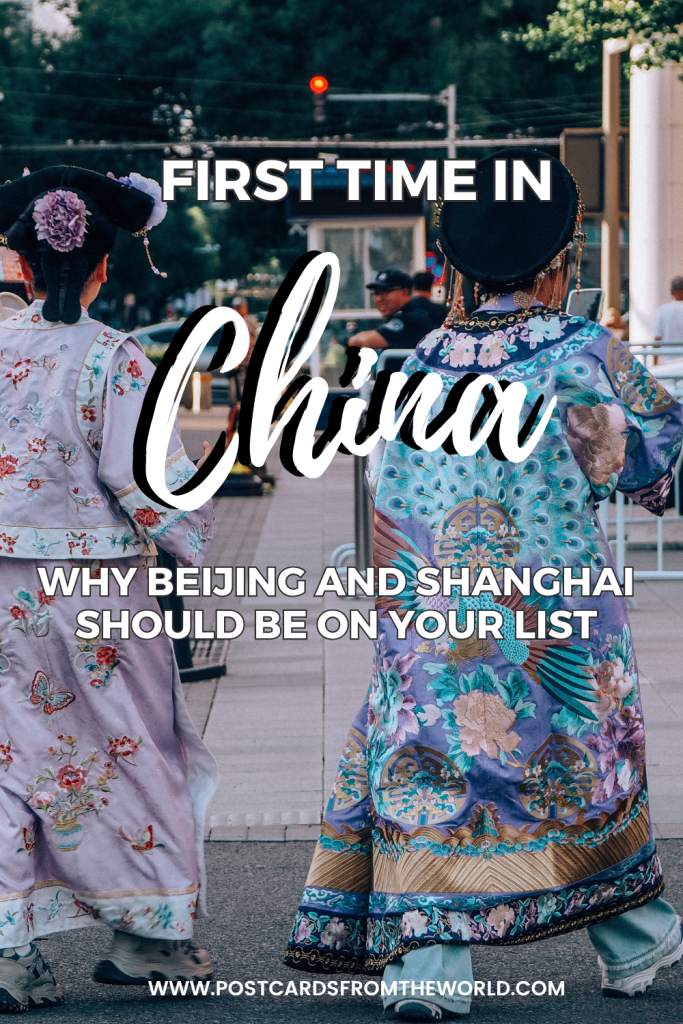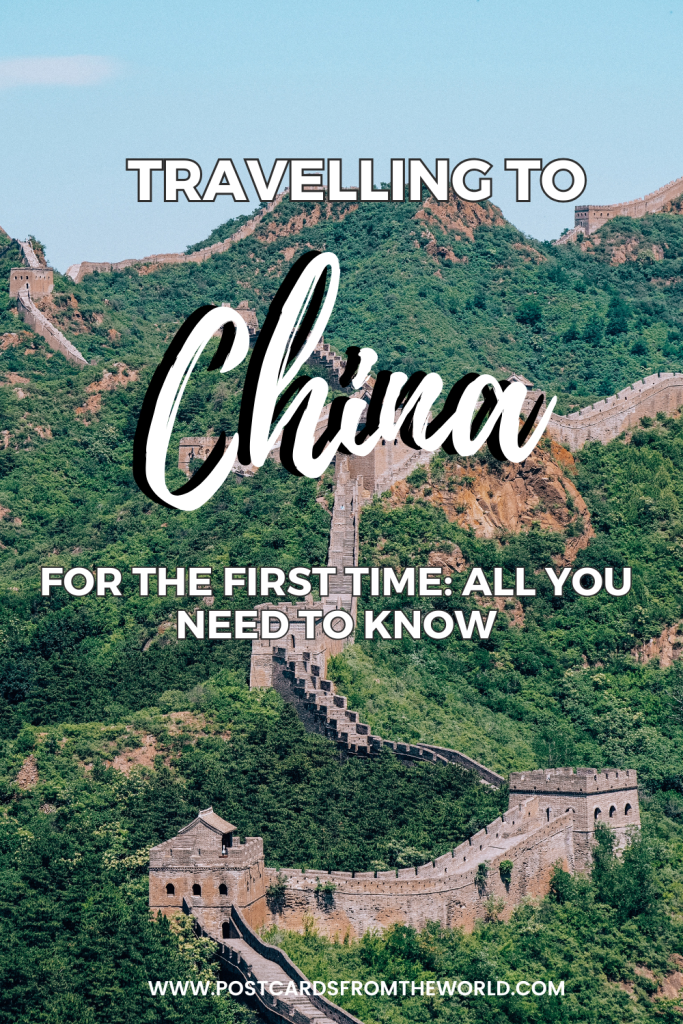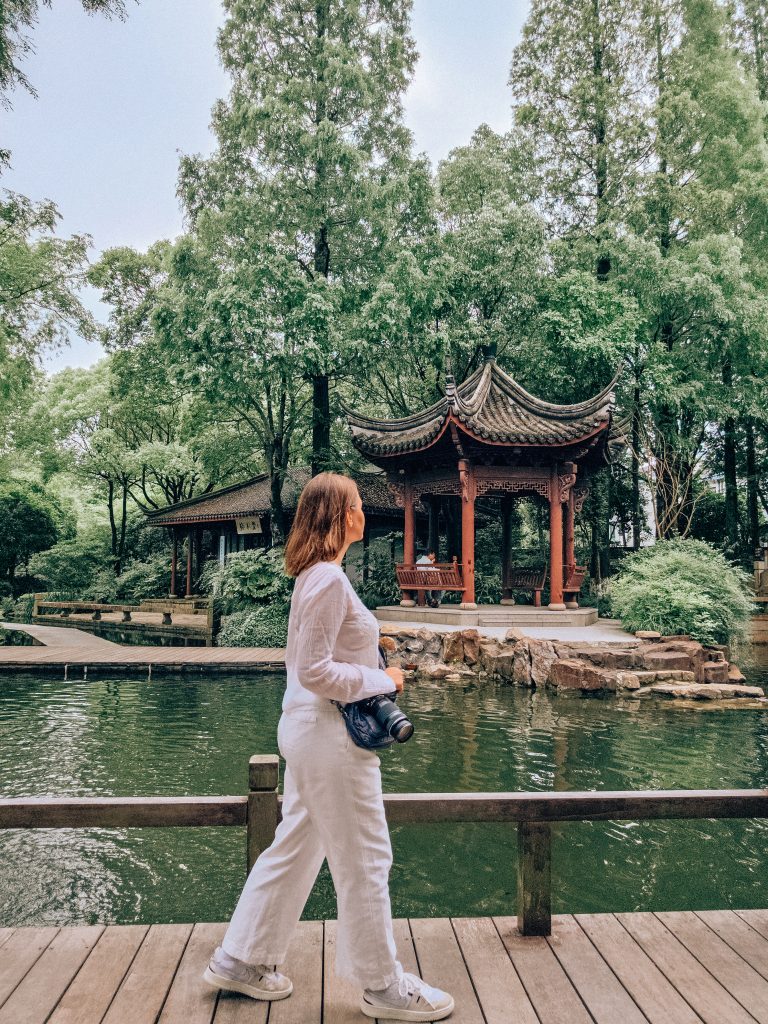

Travelling to China for the First Time: Why Beijing and Shanghai Should Be on Your List
Let me say something that might surprise you: China is one of the easiest countries I’ve ever travelled to.
I know that’s not what most people expect to hear. China carries a reputation for being complicated, impenetrable, difficult to navigate alone. And yes, there are things that require a bit of preparation, a different payment system, a VPN, some patience with language. But the practical reality of travelling to Beijing and Shanghai as a first-timer is far more manageable than the reputation suggests, and the payoff is unlike almost anywhere else I’ve been.
This is a guide to travelling to China for the first time, specifically to Beijing and Shanghai, the two cities I know from my own trip, and the two I’d recommend as the perfect starting point. These cities give you everything: ancient imperial history, extraordinary food, a modern cityscape that stops you mid-stride, and a sense of genuine difference that Europe and Southeast Asia rarely deliver in quite the same way. For anyone with limited vacation days who wants a holiday that feels genuinely unforgettable rather than just another weekend city break, China earns every one of those days back.
Everything in this post comes from my own experience and mistakes. Consider it an insider briefing from someone who’s done the trip and wishes someone had told them a few things in advance.


Disclosure: Please note that this post included affiliate links, when you decide to purchase anything through these links I get a small commission at NO extra cost to you, it helps me to keep running this blog! I only promote products and services I use or would use myself. All images are the property of Postcards from the World and cannot be used without permission.
Do you need a visa?
This has changed dramatically in recent years, and it’s the first thing worth knowing.
When I travelled, I didn’t need a visa at all, my Polish passport allowed entry without one. As of 2026, ordinary passport holders from 48 countries, including most EU nations, the UK, Australia and Canada, can enter China visa-free for up to 30 days for tourism, business or family visits. This policy currently runs until 31 December 2026, though it is due to end on 31 December 2026, so make the most of it while you can, as renewal is not guaranteed.
That said, always verify your specific requirements before booking, since this policy changes and I won’t be responsible for an outdated blog post costing you a holiday. Check the official Chinese National Immigration Administration website, and make sure your passport has at least six months’ validity beyond your planned departure date from China. Carry a return ticket too, immigration occasionally asks for proof of onward travel.


When to go
I went in June, and overall I’d recommend it, though with realistic expectations. Beijing was already getting properly hot. Shanghai was humid and rained a lot during my stay, but honestly it was bearable, and both cities still delivered everything I was hoping for.
If your schedule is flexible, spring (April to May) and autumn (September to October) are genuinely better: cooler, less crowded, better for the kind of long walking days that cities like Beijing require. Summer works, especially if June is your only realistic window, but pack light, breathable clothing and take the heat seriously when you’re spending hours outdoors at places like Tiananmen Square.
What to see: Beijing and Shanghai as a first trip
The temptation with China is to try to cover too much. Resist it. For a first visit, these two cities offer more than enough for an unforgettable trip, and they feel completely different from each other, which is part of what makes the combination so compelling.
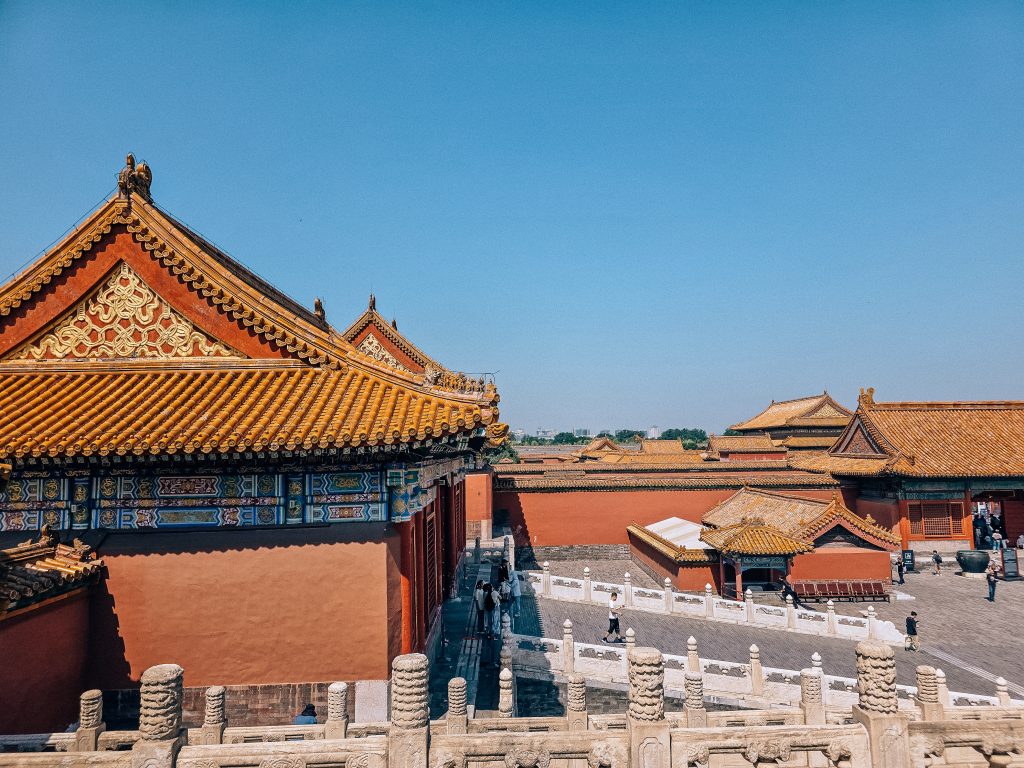
Beijing is where China’s imperial history sits most heavily: the Forbidden City, Tiananmen Square, the Temple of Heaven, the hutong alleyways, and the Great Wall. Give it at least three to four days. I did a day trip to a section of the Great Wall further from the city than the most popular tourist access point, less crowded and in many ways more dramatic for it. I’ve covered the Forbidden City and Tiananmen Square in detail in a separate post, since those two sights alone deserve proper planning.

Shanghai is a completely different world from Beijing: the famous Bund waterfront, the Old Town, Xintiandi, and a general energy that feels closer to a global financial hub than an ancient imperial capital. Give it three days minimum.
I also did a day trip to Zhujiajiao, an ancient water town about an hour from central Shanghai on metro Line 17. It’s the kind of place that feels like a completely different era, narrow canals, stone bridges, old merchant houses, far quieter than the city you just left. An easy, rewarding half-day that costs almost nothing and requires no planning beyond getting on the metro. Really beautiful and worth the time.
See my guide to spending 4 days in Shanghai.
Getting around
Both metro systems are excellent, clean, well-organised and easy to navigate even without a word of Chinese, the signage is bilingual throughout. I used it a lot and it wasn’t even that difficult to find my way around.
One practical difference between the two cities: in Beijing I could use a contactless credit card directly at the metro turnstile, tap in and out, simple. In Shanghai that wasn’t available, and I had to purchase a local metro card and top it up. There’s a small fee for the card itself, so budget for it when you arrive.
For anything beyond the metro, taxis and the Didi ride-hailing app (accessible through Alipay) are widely available.
Payments: the one thing to sort before you land
China is effectively cashless, and this is the single biggest practical adjustment for first-time visitors. Over 95% of everyday transactions in China happen via mobile payment apps. Whether you are buying street food, dining at a restaurant, or shopping at a local convenience store, the standard way to pay is by scanning a QR code. International credit cards cannot be swiped or tapped at local shops, taxis, or family-run restaurants.
The two apps you need are Alipay and WeChat Pay. Alipay is the easier starting point for tourists. You don’t need a Chinese bank account or a Chinese phone number. You need a valid passport, an international Visa or Mastercard, and a working phone number from your home country. Setup takes 10 to 30 minutes.
Set it up before you land, not at the airport when you’re tired and the WiFi is unreliable. I used Alipay throughout my trip and it worked well in most places, though there were moments when neither app nor my card was accepted, a reminder to always carry a small amount of cash as a fallback. As of February 2026, all physical merchants are legally required to accept RMB cash, so yuan remains a genuine backup when apps fail.
The internet
Several services you likely use daily are blocked in China: Google, Gmail, WhatsApp, Instagram and most Western social media platforms are all inaccessible without a VPN. I used Avast VPN during my trip and it worked, though it wasn’t always necessary and the internet speed was occasionally slow regardless. The key point is to download your VPN before you arrive, since the app stores behave differently inside China and you may not be able to install one after landing.
Download offline maps before you go too. Google Maps works through a VPN but can be slow and innacurate. Apple Maps and local alternatives like Amap work more reliably in practice.
Food
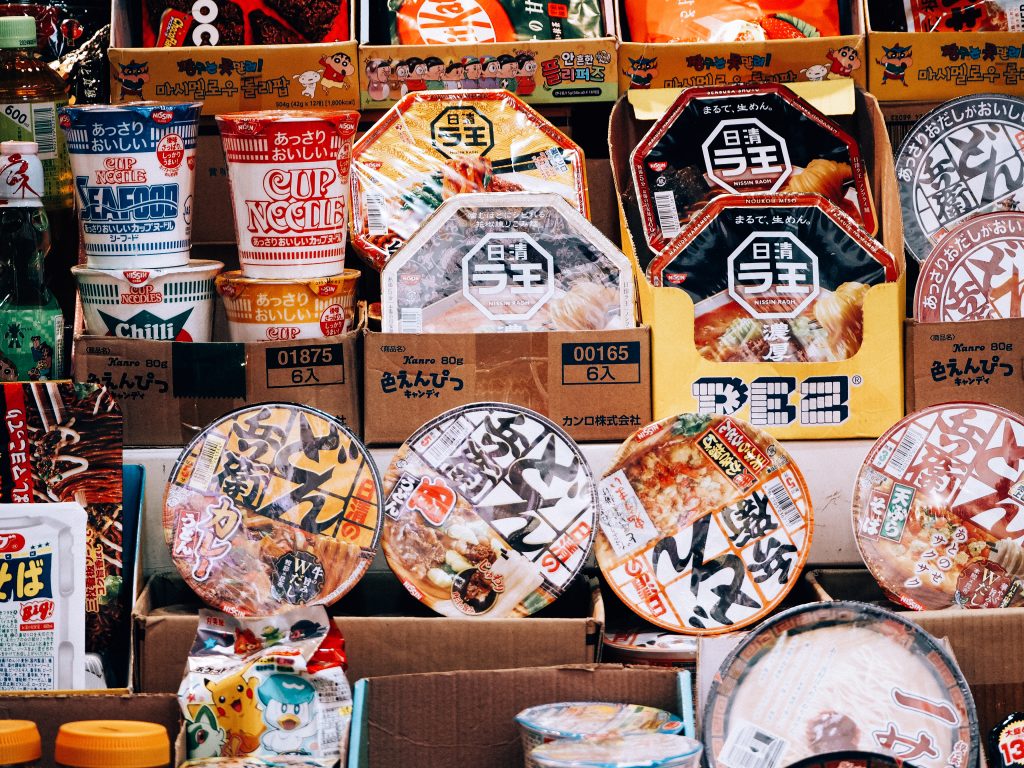
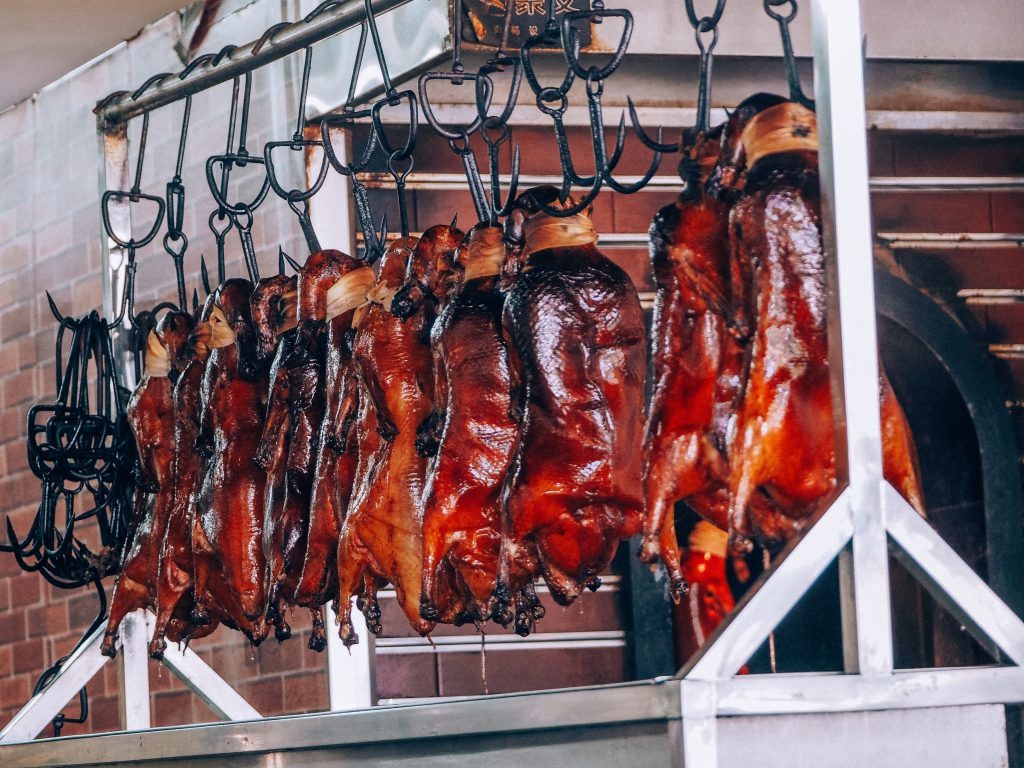
The food in China was one of the genuine highlights of the whole trip, and I say this as someone who’d eaten Chinese food in many countries before going. Nothing quite prepares you for the real thing.
Popular restaurants need to be booked in advance, usually through WeChat, which is another reason to get that app set up before you travel. I once waited four hours for a table because I hadn’t booked. The restaurant calls numbers when your table is ready, the announcements are in Chinese only and not displayed on a screen. It was stressful, though strangers around us went out of their way to help once they realised we didn’t understand what was being called, a recurring kindness throughout the trip.
Local customs and what to expect
Getting your expectations right before you arrive makes a significant difference.
The thing that surprised me most was the queueing culture. Rather than letting people out of the metro train before boarding, people position themselves in front of the doors and push in before anyone can exit. Somehow the system functions, but it requires a complete mindset shift if you’re used to European norms. It’s not rudeness in the way it would read at home. It’s simply a different set of social expectations around shared space, and accepting that early saves a lot of unnecessary frustration.
The language barrier is also more significant than in many other major tourist destinations. English is less widely spoken, even in central tourist areas, than you might find in Japan or South Korea. A translation app with Chinese downloaded offline is genuinely useful.

See also:
- Where to Stay in Busan: The Best Neighbourhoods for a Short Trip
- Where to Stay in Seoul for First Time: Best Neighborhoods and Hotels for Every Style
- 10 Days in South Korea in Spring: The Complete First-Timer’s Itinerary
- 10 cool photo spots in Hong Kong: a perfect place for travellers and photographers
- The Ultimate Guide on What to Do in Hoi An, an Ancient City in Vietnam
- 1 day in Macau: what to see and how to get there from Hong Kong
- Visiting the Forbidden City and Tiananmen Square in beijing: Everything You Need to Know
- Hiking the Great Wall at Jinshanling: Why I Chose the Crowd-Free Section (And What to Expect)
- 3 Days in Beijing for First Timers: An Honest Guide to China’s Ancient Capital
- 4 Days in Shanghai: The City That Surprised Me More Than Beijing
- Xuyan Shanghai Immersive Tang Dynasty Banquet Review: The Most Unforgettable Evening in China
- Zhujiajiao Day Trip from Shanghai: From Skyscrapers to Ancient Canals in One Metro Ride
Where to stay
Beijing: Staying centrally, close to the Forbidden City and Wangfujing, gives you the freedom to walk to most of what matters and reach everything else by metro in minutes. That’s exactly where I based myself, at the Sunworld Dynasty Hotel Wangfujing, and it turned out to be an excellent choice.
The location is genuinely unbeatable for a first trip: Wangfujing pedestrian street is right outside the front door, the Forbidden City is about 15 minutes on foot, Tiananmen Square around 20, and several metro lines are within easy walking distance. Every morning, I could see from my window a group of elderlies practicing tai chi on the pavement. In the afternoons, groups of elderly influences would dance and film themselves- it was a really good spot to witness a normal daily life of the locals.
It’s not the most design-forward hotel in Beijing, but it does exactly what you need it to do: puts you in the right place with no fuss. One thing worth checking before you book: reviews from late 2025 mentioned lobby renovations were underway, so it’s worth confirming the current status directly.
If you want something more design-led, The Peninsula Beijing, steps from the Forbidden City on Goldfish Lane, remains the benchmark for luxury in this city, with the Huang Ting restaurant serving what many consider Beijing’s finest Cantonese cuisine. For something more culturally immersive, NUO Hotel draws on Ming Dynasty artisanship throughout, from hand-embroidered headboards to inlaid lacquerwork desks, with a Michelin-recognised restaurant to match. These two hotels are saved in my phone for the next trip (as I am sure I will return).
Shanghai: For a first visit, most guides will push you toward The Bund area, and it’s not bad advice. But I stayed at Moller Villa Hotel in Jing’an, and I’d recommend it over a generic Bund hotel without hesitation.
The building alone is worth choosing it for: a fairy-tale Nordic castle built in 1936 by Swedish shipping magnate Eric Moller, set in a 2,000 square metre garden right in the middle of one of Shanghai’s most vibrant districts. The rooms are beautiful – classical interiors, proper luxury finishes, the kind of atmosphere you only get in a historic property that’s been properly looked after. Breakfast was excellent. The service was genuinely attentive. It’s boutique, only 53 rooms, which means it feels nothing like the anonymous high-rise hotels that dominate Shanghai’s luxury market.
It’s not on The Bund, so manage expectations on walking distance to the waterfront (around 25–30 minutes on foot or a short metro ride). I walked all the time and it wasn’t that bad because the area is charming and very pleasant. But Xintiandi, the Former French Concession, Nanjing Road and multiple metro lines are all close, and honestly the location in Jing’an suits the pace of a proper city trip far better than being crammed into the tourist core. If you want a Shanghai hotel that genuinely adds something to the experience rather than just providing a bed near the sights, this is it. For a working professional spending real vacation days, it’s worth every yuan.
If you specifically want to be on The Bund itself, The Waldorf Astoria Shanghai, one block from the waterfront, offers palatial Art Deco interiors and five restaurants, while The Peninsula Shanghai in the 1928 North China Daily News building is consistently cited as the Bund’s benchmark for luxury, with a rooftop bar and what many consider the finest afternoon tea in China.

The most useful apps for China
China runs on a completely different app ecosystem from the rest of the world, and knowing which ones to download before you land will save you real time and frustration. Here’s what’s worth having on your phone.
Payments:
- Alipay — essential, set up before you travel as covered above. Without this app, I would probably have a much more difficult trip.
- WeChat Pay — worth having as a backup, and doubles as your messaging, restaurant booking and general communication tool. I did not use it that much as I managed without it, but sometimes, there is no way.
Maps and navigation:
- Amap (高德地图 / Gaode) — the most widely used navigation app in China, more accurate and reliable than Google Maps for Chinese addresses, public transport routes and real-time traffic. Works without a VPN. This is the one I used mostly. I would still be walking the streets of Beijing if I didn’t have it.
- Baidu Maps — another local alternative, equally reliable. English interface available but less polished than Amap.
- Maps.me — good offline option if you want something more familiar in feel, download the China map before you arrive.
Transport:
- Didi — China’s equivalent of Uber, accessible directly through Alipay or as a standalone app. Essential for taxis, especially since hailing one off the street becomes harder the further you get from tourist areas.
- Trip.com — for booking high-speed rail tickets, flights and hotels in English. Much easier than navigating the official train booking system, which is in Chinese. I used it a couple of times for booking my train and it worked very well.
Translation:
- Google Translate — works through a VPN and the camera translation feature is genuinely useful for menus, signs and anything written in Chinese. Download the Chinese language pack offline before you go so it works without internet.
- Pleco — a dedicated Chinese dictionary app, more precise than Google Translate for individual words and phrases, popular with travellers who want something more reliable for complex situations.
Communication:
- WeChat — already mentioned for payments, but worth reiterating as a communication tool. Many restaurants, venues and local contacts will reach you through WeChat rather than email or WhatsApp, which is blocked. At one point, I had no choice but use it for restaurant booking, because this is the way they keep a line instead of being there physically.

Safety in China
China is genuinely one of the safest countries I’ve travelled to. Violent crime against tourists is rare, and I felt completely comfortable walking alone at night in both Beijing and Shanghai, something I wouldn’t say about every major city I’ve visited. The streets are busy late into the evening, the general atmosphere is calm, and people largely minded their own business.
That said, financial scams targeting tourists are well-documented. None of them are safety threats, but they can cost you real money and ruin a day. All of them follow recognisable patterns, and awareness is the single most effective defence.
The tea house scam
The most notorious, running in Beijing and Shanghai for decades and still active. A friendly, well-dressed young person approaches you near a major tourist site (Tiananmen Square, the Bund, Wangfujing Street) and strikes up a conversation in good English, claiming to be a student wanting to practise their language skills or visiting from another city. After a few minutes, they suggest going to a nearby tea house for a “traditional tea ceremony” or a friend’s art gallery to see “authentic Chinese paintings.” The bill that arrives is astronomical, sometimes ¥3,000 to ¥10,000 per person, and staff may block the exit to ensure you pay.
The defence is simple: genuine locals rarely approach strangers to practise English, they have apps for that. Decline any unsolicited invitation from a stranger near a tourist area, regardless of how natural the conversation feels.
Bar and nightlife scam
A close variant, often targeting solo travellers. A stranger invites you to a specific bar or karaoke venue, drinks arrive, attractive companions may join and encourage ordering, and the bill includes wildly inflated service fees with bouncers appearing to ensure payment. Same rule applies: if you want to go out, pick the venue yourself. Never follow a stranger’s recommendation for a specific bar.
Rickshaw price switching
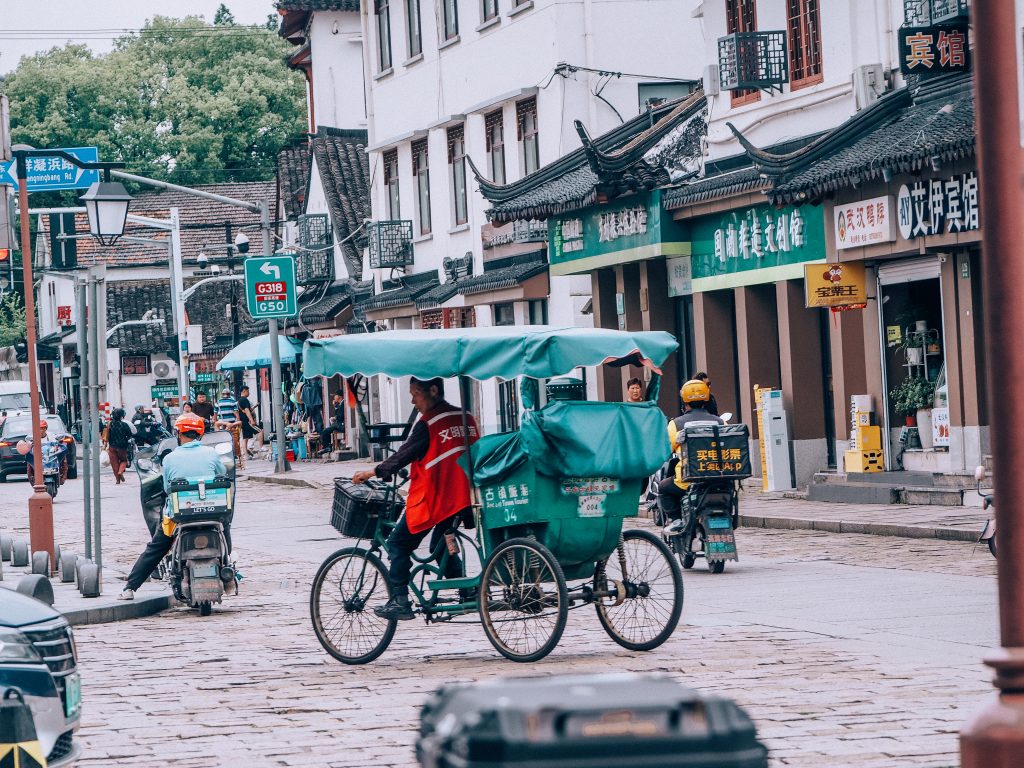
Common in Beijing’s hutong areas. A driver offers a ride for a reasonable-sounding price, then claims at the end it was per person, per minute or per stop, multiplying the original figure several times over. If you want a rickshaw experience, agree on the total price in writing before you get in.
Taxi and unlicensed driver scams
Unlicensed drivers linger at airports and train stations offering flat-rate rides at inflated prices. Metered taxis occasionally take deliberately long routes. The simplest solution: use Didi for all taxi journeys. The route, fare and driver are tracked in the app, removing the problem almost entirely.
QR code scams
A newer addition. Strangers approach with a QR code framed as a survey, free gift or Wi-Fi access. The code may link to a payment page or phishing site. Never scan a QR code handed to you by a stranger.
Use my favourite travel resources to plan your dream trips
- Booking.com for searching best prices on accommodation.
- AirHelp helps to get compensation for cancelled or delayed flights.
- Travel Payouts is my favourite platform for monetizing the blog.
- Discover Cars is a great website as they search both local and international car hire services, so you can choose the best deal for yourself. Make sure though, that the company has a good reputation and reviews.
- Get Your Guide is my place to go for searching and booking tours and excursions, especially when I travel solo.
- World Nomads and EKTA travel insurance. I like them because they have quite extensive coverage of different activities.
- WeGoTrip sends you audio guides to your mobile, so you can visit places while learning history and interesting facts easily and for little money.
- Go City is a perfect site for booking bucket list experiences and attractions all in one to avoid paying for multiple tickets. Easy and saves money. You can even save 50%.
- Trip Advisor– amazing for good quality recommendations.
- Skyscanner is a perfect website for searching flight routes and comparing prices.
- Airalo is my eSim choice for alternative data abroad.
Did you like the post? Pin it for later: