3 Days in Split, Croatia: A Complete City Break Guide
Spending 3 days in Split is the perfect amount of time to fall for the city, and just enough to realise you’ll want longer.
Split is the kind of place, where you come with an itinerary and realuse that it is ruined, becauseyou discoverhidden corners anyway. You arrive planning to “see the Roman palace” and end up realising the palace is the city, that people still live inside 1,700-year-old walls, hang their washing between the columns and run cafes in the cellars.
I based myself here for four nights, used it as my base for the islands, and finished my trip thinking it is one of the most effortlessly enjoyable city breaks on the Adriatic.
Here is how to spend 3 days in Split well: what to actually do, which area to stay in, where to eat, and the island trips worth your time.
This guide pairs with my separate post on Bol and Zlatni Rat, the island trip I took from here, so if island hopping is on your list, read the two together.
Disclosure: Please note that this post included affiliate links, when you decide to purchase anything through these links I get a small commission at NO extra cost to you, it helps me to keep running this blog! I only promote products and services I use or would use myself. All images are the property of Postcards from the World and cannot be used without permission.
Why go to Split?
I have a soft spot for cities that don’t keep their history behind glass (so many places like that you can find in Europe). Split is one of them. It is Croatia’s second-largest city and the heart of the Dalmatian coast, but that is not what makes it special. What makes it special is that its greatest treasure is out in the open, part of everyday life.
Picture this: a Roman emperor’s palace, built at the turn of the 4th century, and 1,700 years later people are still living in it. Not visiting it, living in it. They drink their morning coffee against ancient walls. Shops and apartments fill rooms where Diocletian once walked. This is a UNESCO World Heritage Site, and you can wander straight into it, coffee in hand, no ticket required.
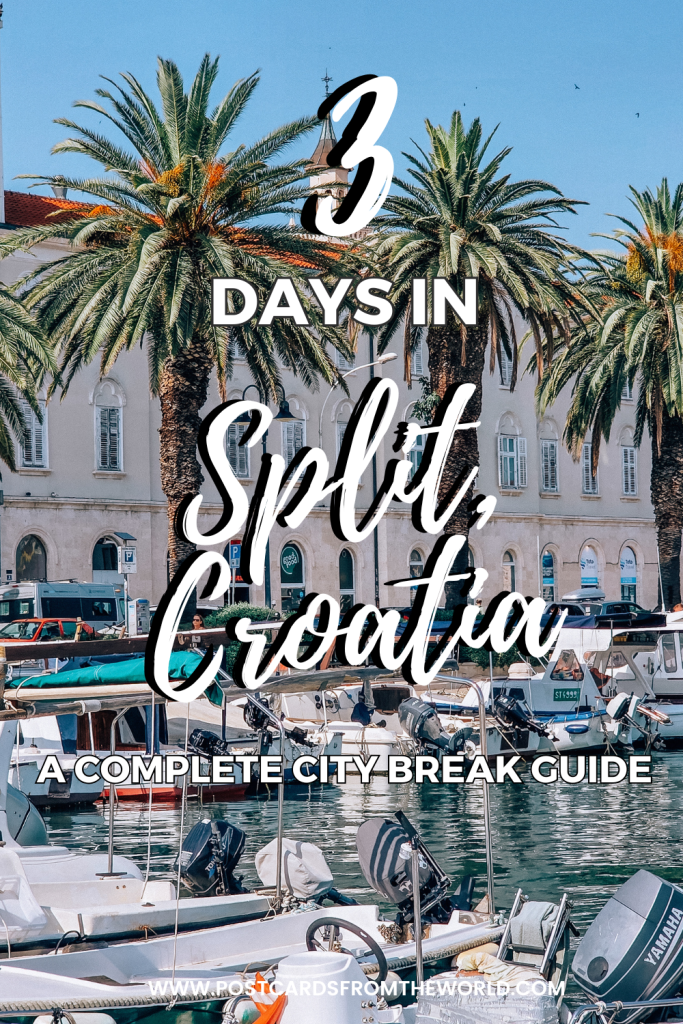
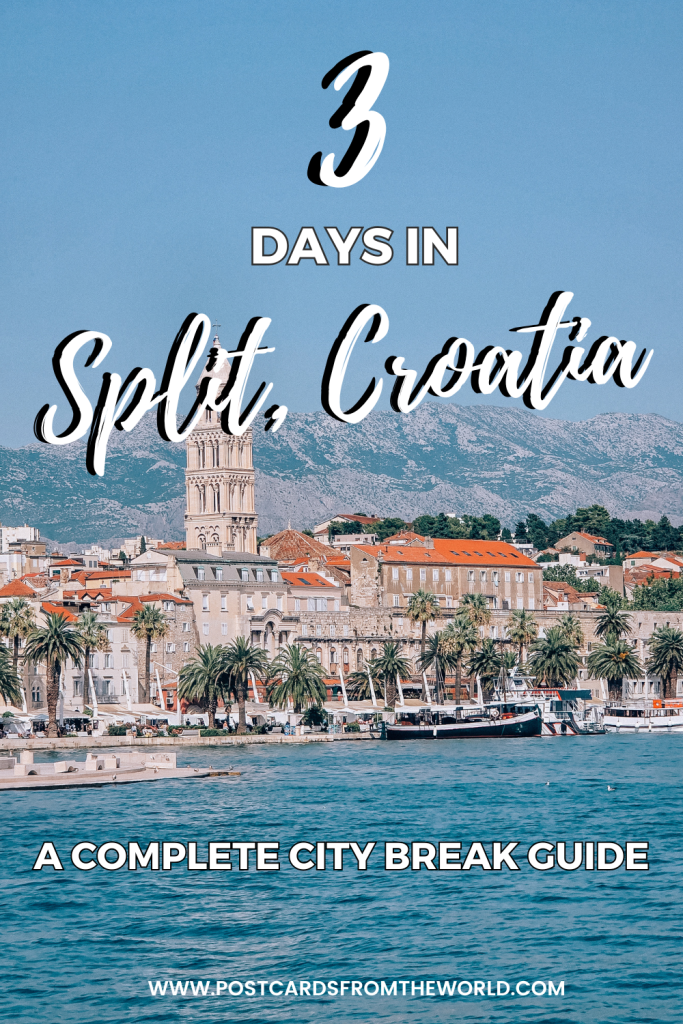
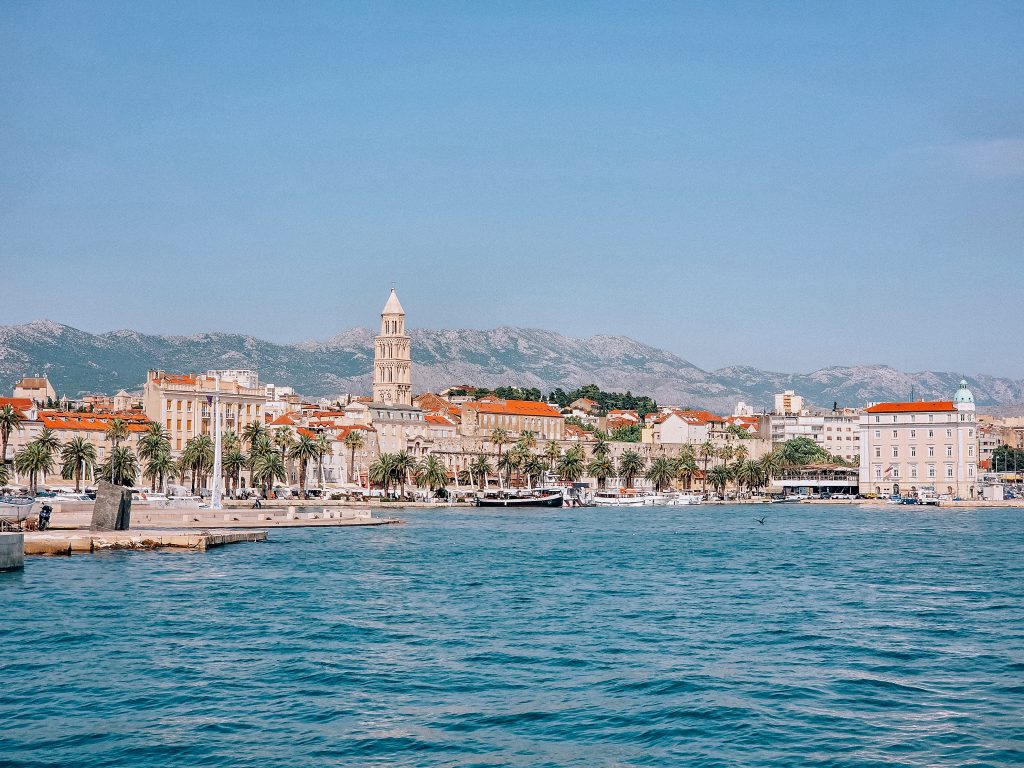
And then there is everything around it. A palm-lined seafront made for slow evenings. A forested hill park rising right out of the old town. Some of the best seafood I have eaten on this coast. A ferry port that puts a dozen islands within easy reach. Split is that rare place that works as both a destination in its own right and a base to explore from, and honestly, you will want to do both.
After visiting nearly every country in Europe and having dozens of city breaks, I think Split is one of the cutest quick stops you can have during your trip to Croatia or even other European countries. It is small enough to stop there for a couple of days for the city only, but full of attractions nearly to make it a complete trip.
Perfect for a long weekend (especially if you’re based in Europe)
Here is the other reason I love Split: you don’t need much time to fall for it. Short on annual leave? This is exactly the kind of place a long weekend was made for. Two full days is enough to see the city properly, and because the old town is so compact, you are never wasting an afternoon getting from one sight to the next. Have a third day? Add an island, or Klis, and you have a complete little trip. Only have two? You will still go home feeling you actually saw a place, not rushed through it.
I will be honest about one thing, though: this works best if you are based in Europe. Split is beautifully connected. Budget flights land here from all over the continent through the season, and once you arrive, the ferries and coaches tie you into the rest of Croatia and the coast. From most of Europe you can leave home in the morning and be sipping a coffee on the Riva by the afternoon, which is exactly what makes it such a perfect Friday-to-Monday escape.
If you are coming long-haul from further afield, I would fold Split into a bigger Croatia or Balkans trip rather than treat it as a weekend on its own, simply because you will spend more time getting here than you will save by keeping it short.
How to get to Split
By air: Split Airport (SPU) sits about 25 km west of the city, near Trogir. From there you can take the airport shuttle bus, a public bus, or a taxi into the centre. If you land late at night, think carefully about where you’re staying, because much of the old town sits inside pedestrian walls where cars cannot go, so a taxi may not be able to drop you at the door.
I arrived late myself, and this shaped my choice of accommodation for the first night (more on that below). I also prebooked an airport pick up in advance as I wanted to get to bed as soon as possible. Actually, whenever I arrive somewhere at night, I always book a transfer.
By ferry: Split’s ferry port sits right beside the old town, which is what makes the city such a natural island-hopping hub. Catamarans and car ferries run from here to Brač, Hvar, Vis, Šolta and beyond, as well as up and down the coast. I used Omio to book my ferries in Croatia.
By bus: Split’s main bus station is next to the ferry port and railway station, all conveniently clustered on the eastern edge of the old town. Frequent coaches connect Split with Zagreb, Dubrovnik and towns along the coast.
Things to do in Split
Split’s core sights are compact and mostly walkable, which is a big part of the appeal.
Diocletian’s Palace. The reason Split exists as it does. This is not a single gated attraction but an entire quarter of the old town: the emperor’s retirement complex that the city grew into and never left. Most of it is free to wander, the streets, the gates, the squares, and only a few specific parts are ticketed. Start at the Peristyle, the grand central courtyard ringed by columns where the emperor once appeared to his subjects, and the Vestibule, a domed circular chamber with a hole open to the sky and acoustics so good that local klapa (a cappella) groups sometimes sing there for free. It’s worth joining a small guided group for history learning and anecdotes.
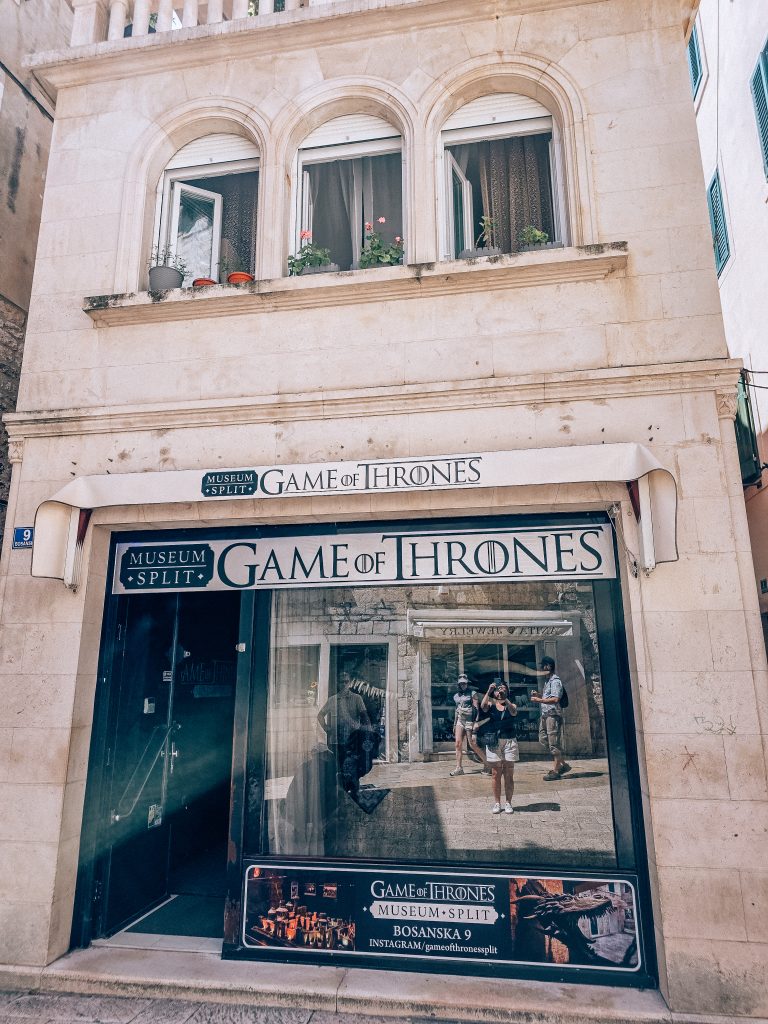
The Palace substructures (cellars/basements). The atmospheric vaulted halls beneath the palace, which mirror the floor plan of the imperial apartments that once stood above. Mostly empty stone chambers, but hauntingly well preserved and blissfully cool on a hot day. Entry to the ticketed section is around 8 euros (but check as it might change), and Game of Thrones fans will recognise it as where Daenerys kept her dragons in Meereen.
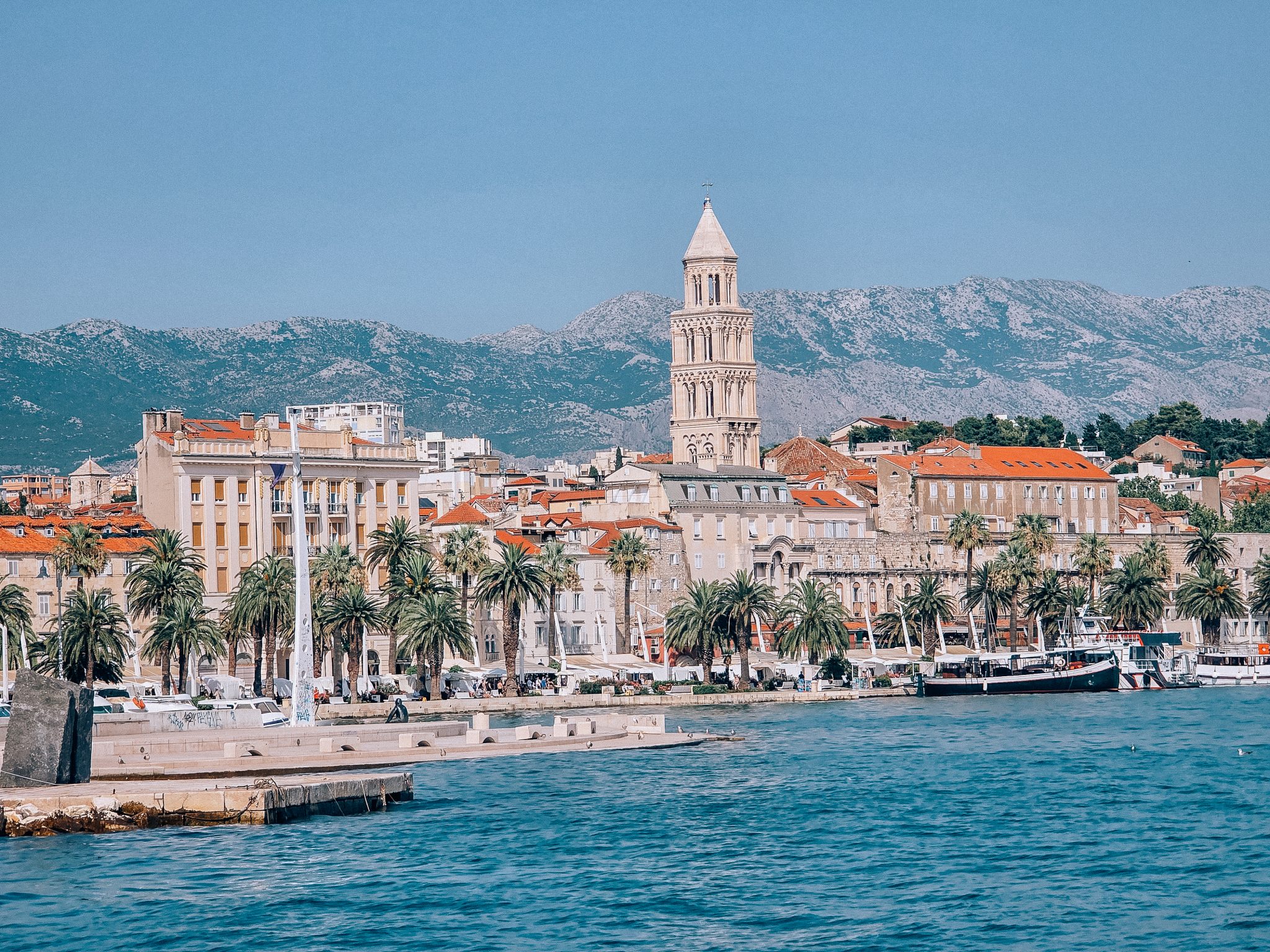
Cathedral of Saint Domnius. Built as Diocletian’s mausoleum and later, in a neat historical irony, converted into a cathedral named for a Christian martyr the emperor had persecuted. It is one of the oldest cathedrals still in use anywhere in the world. A combined ticket (roughly 8 euros, covering the cathedral, crypt, treasury and bell tower) lets you climb the Romanesque bell tower, a steep climb rewarded with the best rooftop-and-harbour view in the city.
Temple of Jupiter. A small, beautifully preserved Roman temple down a narrow alley beside the cathedral, later used as a baptistery. Worth the few euros for the coffered stone ceiling alone.
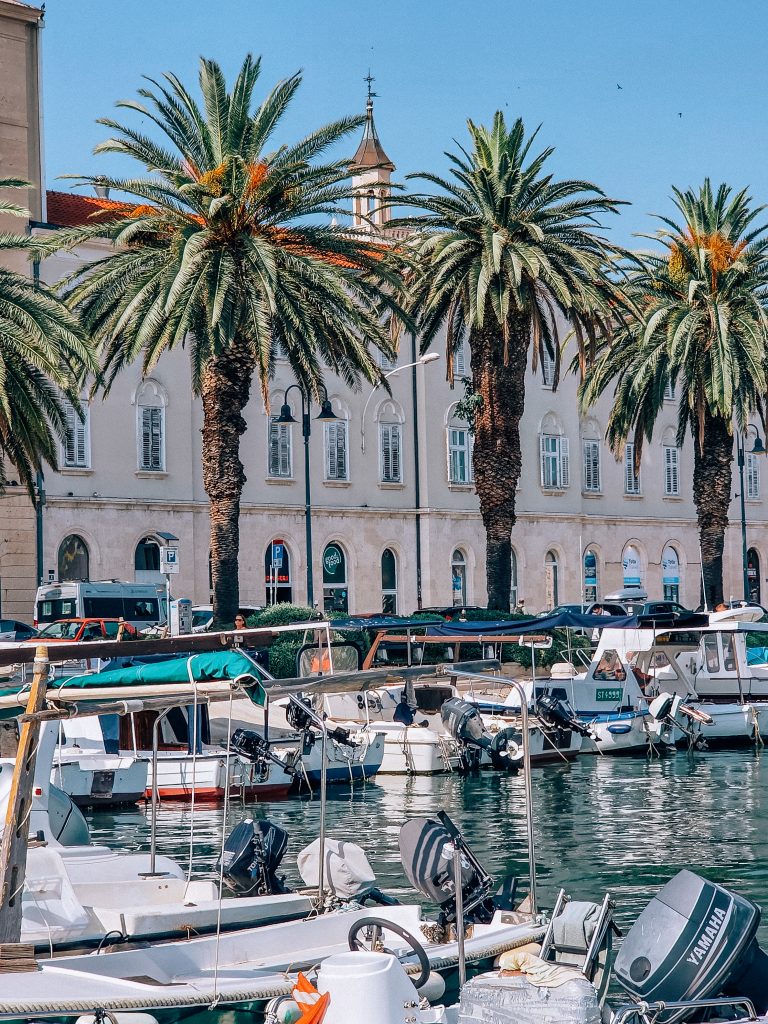
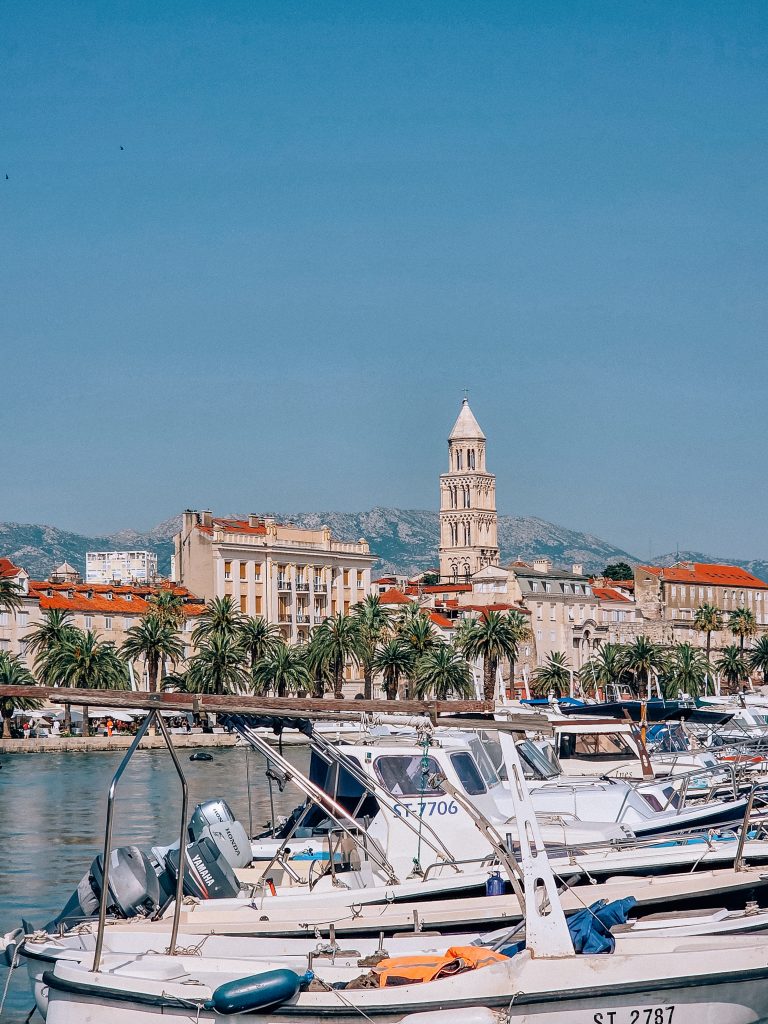
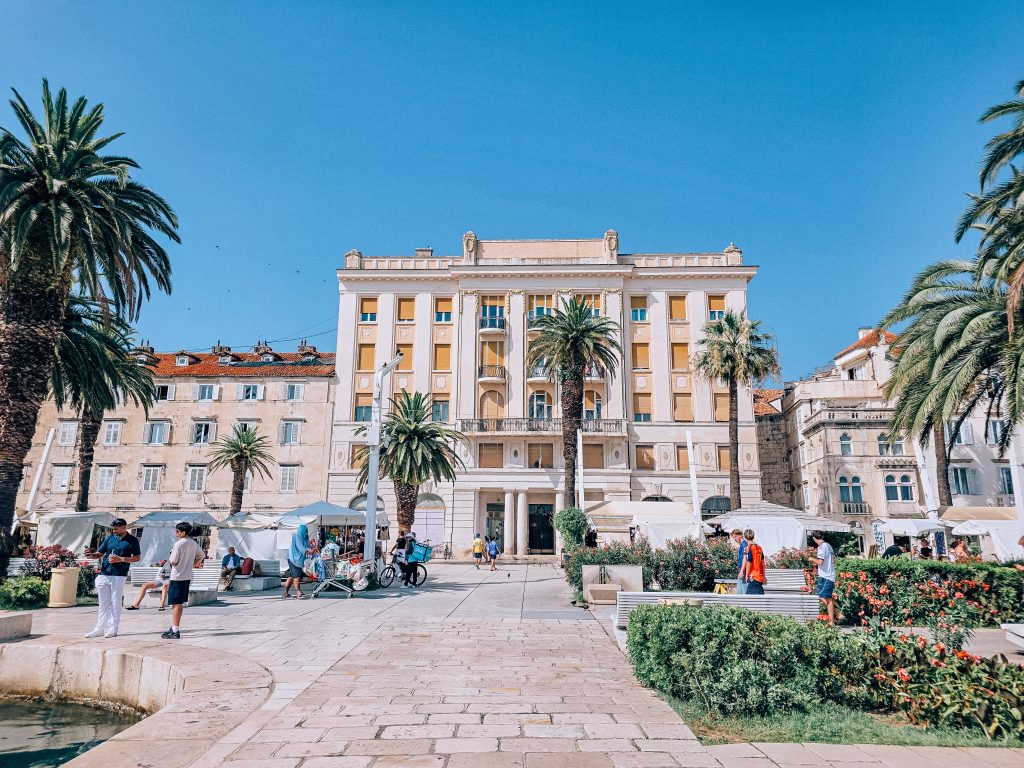
The Riva. Split’s palm-lined waterfront promenade and the city’s living room. Lined with cafes, it is where locals and visitors alike drift for a coffee or an evening drink. Best at golden hour, otherwise it gets extremely hot in summer.
Marjan Hill. The forested peninsula rising directly above the old town, a protected nature park criss-crossed with walking trails, viewpoints, hidden chapels and small beaches. You can climb the stairs up from the Varoš neighbourhood (they start near Hotel Ambassador) to the Vidilica viewpoint, where a cafe terrace looks straight back over the terracotta roofs to the sea and the islands. Free, and one of the best things you can do in Split for the effort involved.
Klis Fortress. The dramatic hilltop stronghold about 12 km outside the city, guarding the mountain pass to the interior, with over 2,000 years of layered history and another Game of Thrones connection (it played Meereen). The real draw is the panorama: from the ramparts you look out over Split, the Adriatic and the islands of Brač and Šolta on one side, and the karst mountains of inland Dalmatia on the other. Entry is around 7 euros. To get there, take local bus #22 (from near the National Theatre) or #35 (from the main bus station), roughly 20 to 30 minutes; a taxi is about 15 to 20 minutes and typically 20 to 40 euros.
Bačvice Beach. Split’s famous sandy city beach, a short walk from the centre, and the home of picigin, a local game played splashing about in the shallows.
The Green Market and Fish Market. The daily produce market (Pazar) on the eastern edge of the palace and the fish market (Peškarija) to the west offer a genuine slice of local life away from the tour groups. I was shopping for fresh fruit every day.
Ivan Meštrović Gallery. The former villa and studio of Croatia’s most celebrated sculptor, out towards Marjan, displaying his work in a beautiful seafront setting.
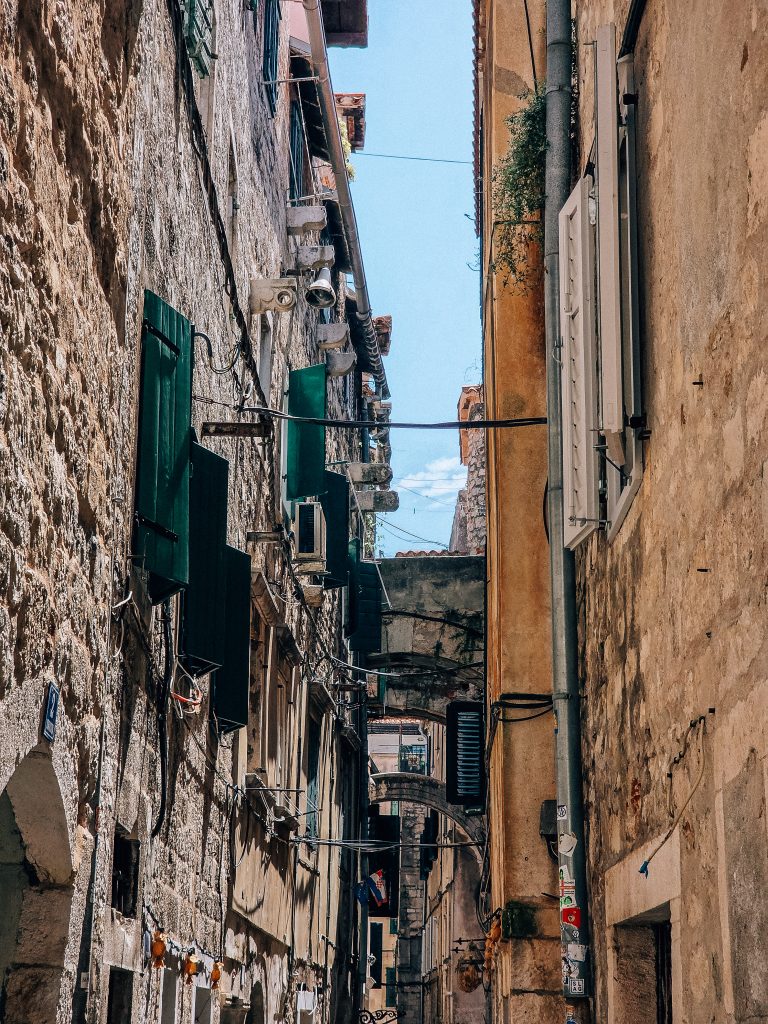
Just walking around. Honestly one of the best things to do in Split. The old town rewards aimless wandering far more than a ticked-off checklist. Get lost in the stone lanes early in the morning, when the light hits the bell tower and the bakeries open and the cruise crowds haven’t yet arrived.
Island hopping from Split
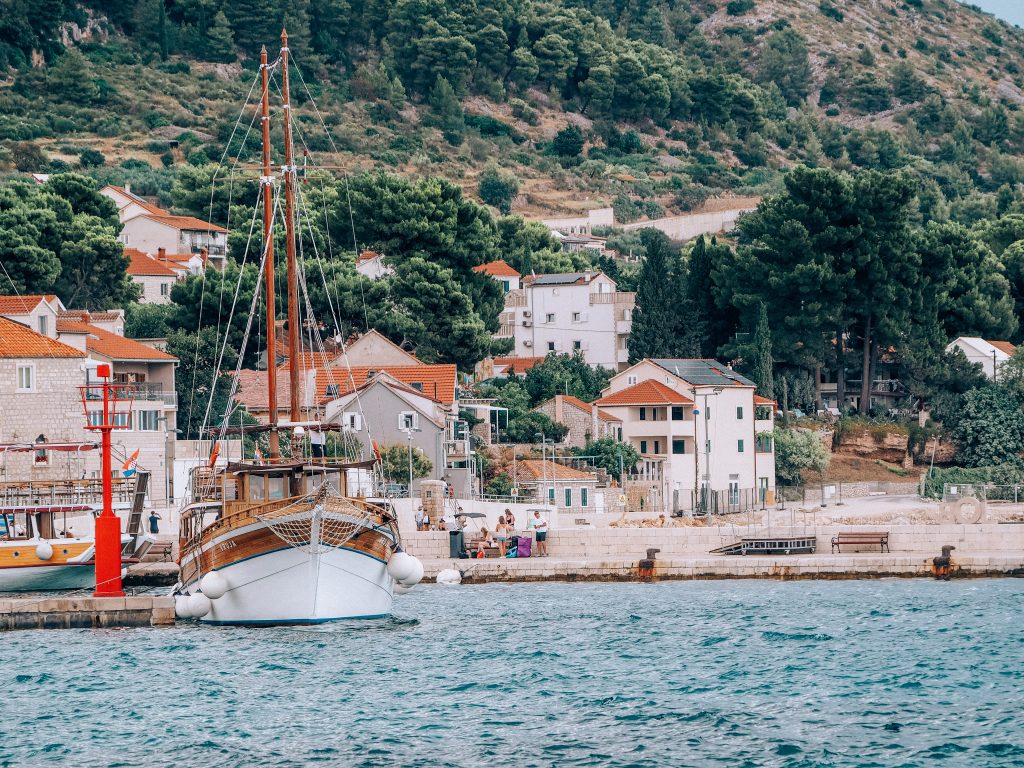
Split is one of the best island-hopping bases on the Croatian coast, and it is worth building at least one island trip into your visit. Catamarans and ferries leave right from the port beside the old town, so you can be on a boat within minutes of your morning coffee.
Bol, on Brač. This is the island trip I took. I caught the catamaran over and spent 3 days at Zlatni Rat, the famous “golden horn” beach that shifts shape with the wind and current. Bus since the ride takes only an hour, you can easily do it as a day trip. I’ve written the whole thing up separately, including the chaotic ferry departure nobody warns you about and an honest verdict on whether the beach lives up to the photos: read my Bol and Zlatni Rat guide.
Hvar. The glamorous, best-known island: a lively old town, a hilltop Spanish fortress and a busy nightlife options, plus the Pakleni islands just offshore. The one to pick if you want buzz.
Vis. Quieter and further out, loved for its laid-back villages, vineyards and slower pace. It is also the usual jumping-off point for boat trips to the Blue Cave.
The Blue Cave (Biševo). The famous sea cave that glows electric blue when midday light refracts through the water, on the islet of Biševo near Vis. It is one of the most booked day trips out of Split, usually as a full-day boat tour combining several stops.
Ferries and catamarans on the busy summer routes sell out, so book ahead in season.
⭐ Traveller favourite: Blue Cave & Hvar 5-Islands Tour from Split
The most-booked Blue Cave trip from Split — 4.9 stars from over 5,800 reviews. A full day by speedboat to the Blue Cave, Stiniva Cove, Hvar and more. Check availability & prices
Activities and tours worth doing
A balanced Split trip is mostly culture, food and wandering, but a few active options are worth folding in if that’s your style. Although I must say that my trip wasn’t that balanced as I spent a bit too much time eating. These are popular, well-reviewed choices:
- Sea kayaking along the coast beneath Marjan, a half-day paddle out to quiet coves and swimming spots.
- Rafting or canyoning on the Cetina River, inland near Omiš, one of the region’s signature adventure days out.
- A Game of Thrones walking tour, tying together the palace substructures and Klis Fortress for fans of the show.
- A food or wine tasting tour through the palace quarter, a good way to get under the skin of Dalmatian cooking.
- A sunset boat cruise from the harbour.
Where to stay in Split: by area
I stayed in two different areas on this trip, and the contrast turned out to be the most useful thing I can pass on. Rather than hand you a list of hotels, here’s how to think about where to base yourself, because in Split the area matters more than the property.
Near the ferry port / just outside the old town walls. Best if you’re island hopping or arriving late at night. This is where I spent my first night, precisely because I had an early ferry to catch and a late-night airport arrival to manage. Staying just outside the pedestrian zone meant a taxi could actually drop me at the door, and the port was a short walk for my morning boat. If your trip is built around islands or awkward transport timings, this is the practical choice. I stayed at Indigo Inn Rooms for this first night: simple, comfortable and perfectly located for exactly this purpose. The only thing is that they have an early check out.
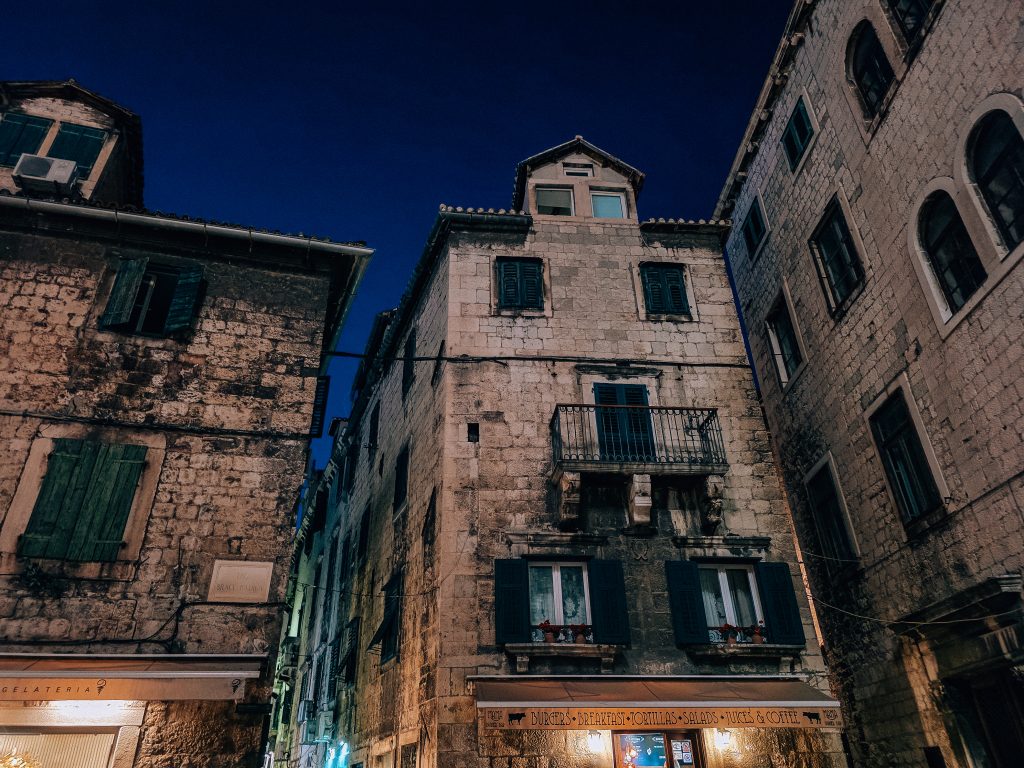
Inside or right beside the old town centre. Best if you want to be in the heart of it, stepping straight out into the palace, the Riva and the restaurants. This is where I moved for the rest of my stay, and it’s the area I’d recommend for most people who aren’t tied to an early ferry. Being able to wander out into the stone lanes at night with everything on your doorstep is the Split experience people come for. I stayed at Flos Luxury Rooms here and really liked it: a great base right in the centre.
A quick word on the walls. Much of the old town is car-free, so if you have heavy luggage, a late arrival or any mobility considerations, check exactly how close a vehicle can get before you book. It’s the single thing most people don’t think about until they’re dragging a suitcase over Roman flagstones at midnight.
See also:
- Epic 3-week central Europe road trip Itinerary: must-see destinations & tips
- How to spend 2 days in Bratislava: a perfect itinerary for the capital of Slovakia (spring to autumn)
- The Best European Road Trips: 15 Routes Worth Your Vacation Days
- How to maximize your trip to Lake Bled, Slovenia: hidden gems and best photo spots
- Renting a car and Driving in Albania: What It’s Really Like (Not What Old Blogs Tell You)
- Day Trip to Bol from Split: Is Zlatni Rat Actually Worth It?
Where to eat in Split
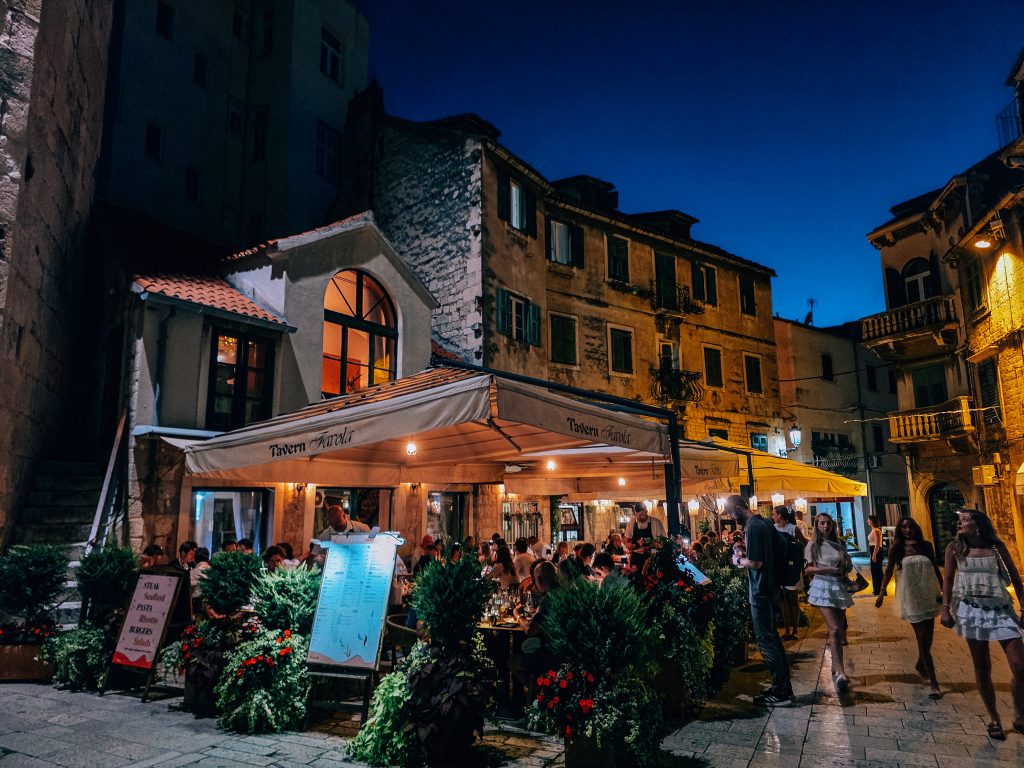
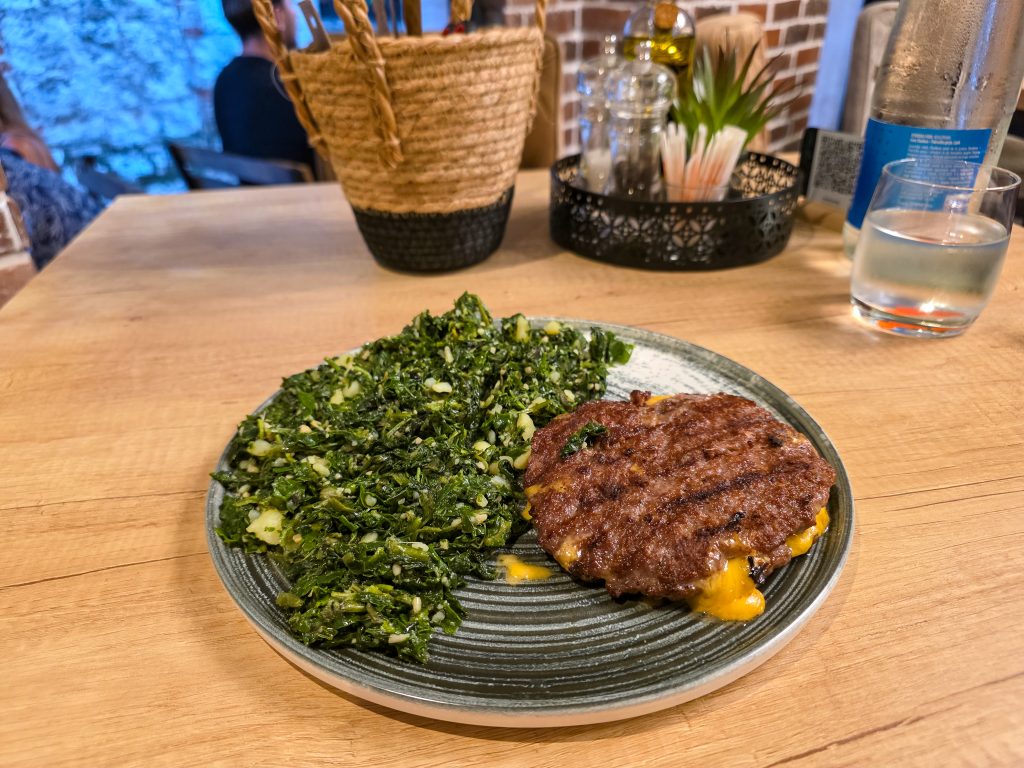
Split’s food is a hearty blend of Mediterranean and Balkan cooking: grilled Adriatic fish, black cuttlefish risotto, pašticada (slow-braised beef) with gnocchi, generous seafood platters, and burek or ćevapi for a cheap bite on the go. The traditional places to find this are konobas, the Dalmatian equivalent of a taverna: family-run, rustic and usually well-priced, though Split also has many contemporary places putting a modern spin on the same ingredients.
Here are the three I ate at and would happily send you to:
- Cicibela — my favourite of the trip. A small, family-run food and wine bar tucked into Senjska Street in the old town, doing beautifully presented Dalmatian dishes and fresh Adriatic seafood, with the kind of warm, personal service that makes you want to come back. If you eat one dinner in Split, make it this one.
- Fig — great food and a lovely atmosphere, and clearly no secret, because it fills up fast. Go early for lunch or an early dinner or you’ll be waiting. There are plenty of other good options in town, but this one has a real pull to it.
- Sug — a solid, enjoyable meal; a contemporary take on Dalmatian cooking that’s nicer than a standard konoba without being much pricier (It carries a Michelin Bib Gourmand, if that’s a signal you trust).
- Konoba Deep Shade — traditional Dalmatian dishes done really well, with great service. A proper konoba meal and one of the food highlights of my stay.
- Lvxor — the higher-end, special-occasion choice, and worth it as much for the setting as the food. It sits right on the Peristyle facing the cathedral bell tower, and on summer evenings the square turns into a stage for acoustic concerts and live music, which makes dinner there genuinely magical. Prices are higher than a konoba, as you’d expect for that location, but you’re paying for one of the best tables in the city.
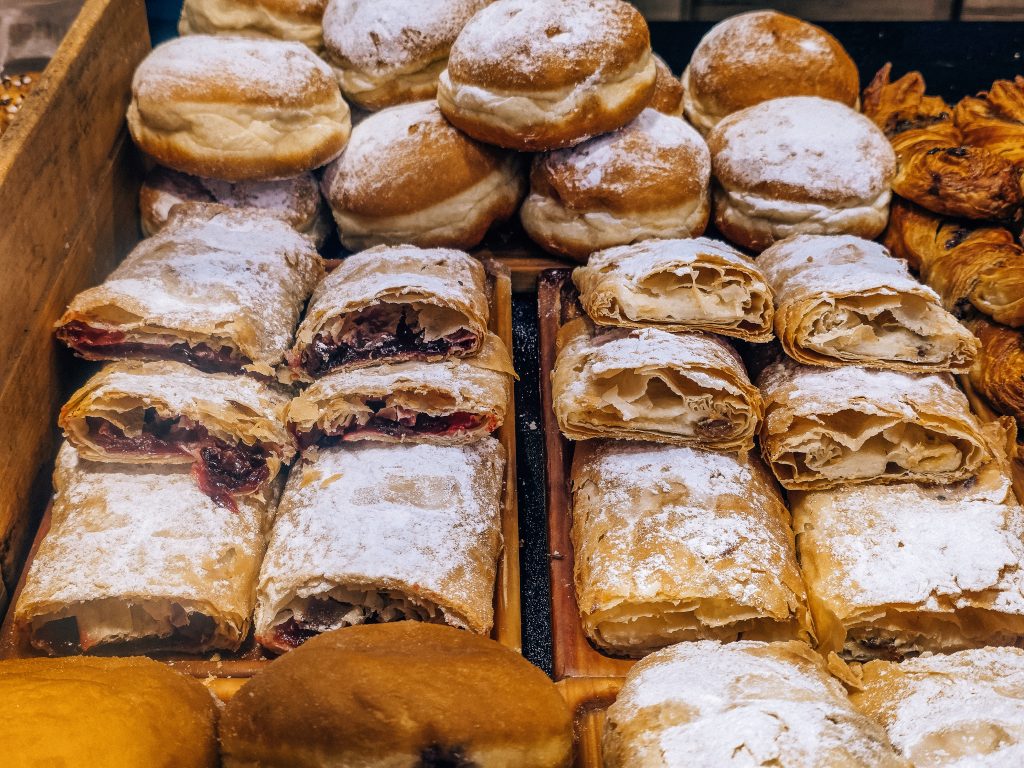
Also, try some pastries from local bakeries. Savijaca with cherries was my favourite pastry I found in Split.
For coffee (and getting some work done, because I am travelling for 7 weeks straight this time): I spent time at D16 Coffee, tucked into the stone lanes of the palace. The coffee is excellent, but what sold me was a room on the other side that’s pleasant to sit in with a laptop, which is exactly what I needed to get some blog work done between sightseeing. If you’re a remote worker or just want a calm spot away from the bustle, it’s a find.
If those are full or you want more traditional options, these come up again and again in local recommendations. I didn’t eat at them myself, so treat them as researched suggestions rather than personal endorsements:
- Konoba Fetivi and Konoba Varoš — two of the most-loved traditional konobas, known for authentic Dalmatian seafood and comfort cooking at fair prices; Fetivi also has a Bib Gourmand.
- Villa Spiza — a tiny, much-loved old-town spot serving a short daily menu of Dalmatian classics; no reservations, so arrive early.
How many days do you need in Split?
Two to three days covers the city itself comfortably: the palace, the Riva, Marjan, a good wander, Klis if you want it, and a couple of long meals. Add a day for each island or day trip you want to fold in. I spent four nights and used the extra time for an island run to Bol, which I’d recommend; Split is at its best when you treat it as both a destination and a launchpad. Overall, I’d say that 3 days in Split is a perfect amount of time.
Split travel FAQ
Is Split worth visiting? Yes. It combines a genuinely lived-in Roman old town, excellent food, a walkable centre and unbeatable access to the islands, which is a rare mix. I enjoyed my 3 days in Split, but if I had more time, I would not stay in town, but rather go on day trips.
How many days should I spend in Split? Two to three days for the city itself, and more if you want to island hop or take day trips, which you should.
Is Split walkable? Very. The old town and palace are compact and car-free, and you’ll walk almost everywhere within the centre. Note the flagstones and steps if mobility is a concern. I originally reseacrhed Croatian cities to take my mum on our annual trip and Split was one of the best options. However, after visiting it myself, it is not totally flat, but fine otherwise.
When is the best time to visit Split? Late spring (May to June) and early autumn (September to October) are the sweet spots: warm, swimmable and far less crowded than the July and August peak, when the old town and ferries get very busy. I went in July and it was really hot.
Do I need a car in Split? Not for the city itself. The old town, ferries and buses cover most of what you’ll want, and a car is a liability inside the pedestrian zone. For some inland day trips a car or an organised tour helps. Overall, I would not recommend a car unless you are doing a bigger road trip.
Use my favourite travel resources to plan your dream trips
- Booking.comfor searching best prices on accommodation.
- AirHelp helps to get compensation for cancelled or delayed flights.
- Travel Payouts is my favourite platform for monetizing the blog.
- Discover Cars is a great website as they search both local and international car hire services, so you can choose the best deal for yourself. Make sure though, that the company has a good reputation and reviews.
- Get Your Guide is my place to go for searching and booking tours and excursions, especially when I travel solo.
- World Nomads and EKTA travel insurance. I like them because they have quite extensive coverage of different activities.
- WeGoTrip sends you audio guides to your mobile, so you can visit places while learning history and interesting facts easily and for little money.
- Go City is a perfect site for booking bucket list experiences and attractions all in one to avoid paying for multiple tickets. Easy and saves money. You can even save 50%.
- Trip Advisor– amazing for good quality recommendations.
- Skyscanner is a perfect website for searching flight routes and comparing prices.
- Airalo is my eSim choice for alternative data abroad.
- Trip.com for a one-stop app for flights, hotels, trains and attraction tickets, with strong deals and a rewards program.
Did you like the post? Pin it for later: