

The Best European Road Trips: 15 Routes Worth Your Vacation Days
Europe is one of the best places in the world to road trip. The distances are manageable, the roads are (mostly) excellent, and the variety is extraordinary. You can go from medieval castles to volcanic beaches to alpine passes without ever leaving the continent.
I’ve been road-tripping across Europe for over 20 years, mostly while working full time, which means I’ve learned how to make every route count. These aren’t theoretical recommendations — I’ve driven 13 of these 15 routes myself. For the two I haven’t driven, I’ve traveled them by other means and noted that clearly.
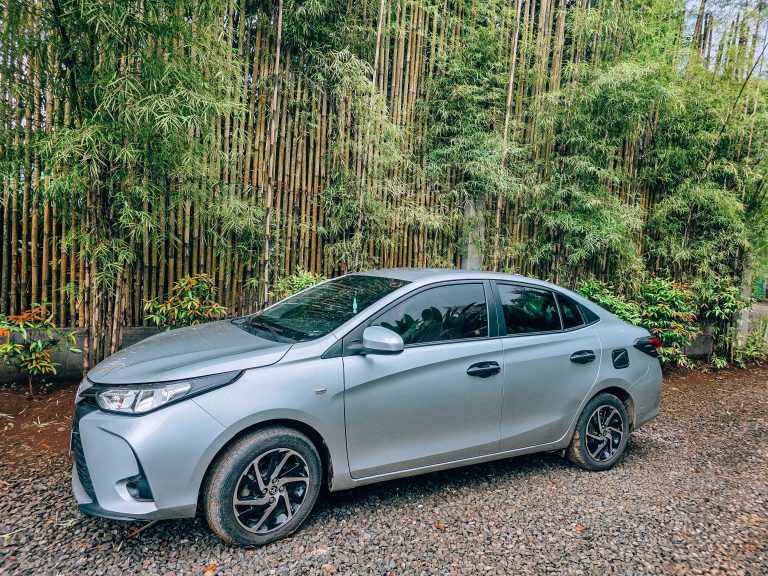
Before anything else: you need a car. I use Discover Cars for every trip, they search both local and international providers in one place, which consistently gets me better rates than going directly to the big names. Book early, read the insurance small print, and if you’re heading somewhere mountainous, consider an SUV.

1. Romantic Road, Germany
I’ve driven this route twice, both times in autumn, and I’m still not sure I’ve done it justice. The Romantic Road in southern Germany is one of those routes that sounds like a tourist cliché until you’re actually on it, and then you understand immediately why everyone comes back.
Start in Munich and work your way north through Bavaria. The key stops are Neuschwanstein Castle (yes, it’s as spectacular as it looks, go early to avoid the crowds), Rothenburg ob der Tauber, which is one of the best-preserved medieval towns in Europe, and Würzburg, whose Residenz is genuinely one of the finest baroque palaces I’ve seen anywhere. In Bavaria, don’t skip Berchtesgaden National Park and the Königssee lake. The water is an almost unreal shade of green.
In autumn the whole region turns gold. It’s one of the most beautiful things I’ve seen in Europe.
- How many days: 7-9
- Best time: May to November. Winter has its own appeal, spa towns and Christmas markets, but autumn is the best of it.
2. Basque Country Loop, Spain & France
This is the road trip I recommend most often to people who want food, coastline, and culture without the crowds of more obvious Spanish routes.
Start in San Sebastián and give it at least two days – I feel that I didn’t stay long enough. It has more Michelin stars per capita than almost anywhere in the world and the pintxos bars alone are worth the trip. Drive west along the coast to Bilbao, where the Guggenheim is genuinely worth the hype even if you’re not particularly into modern art.
Cross briefly into France to Biarritz (glamorous, slightly faded, excellent for a long lunch on the seafront) then loop back into Spain to finish in Pamplona.
If you go during San Fermín in July, Pamplona is chaotic and extraordinary. If you don’t, it’s a quiet, underrated city that most people miss entirely.
- How many days: 5-7
- Best time: May to October. Winter is wet, cold, and unpredictable along the Atlantic coast. The waves were crazy when we went, and it wasn’t winter yet!
3. Baltic Road Trip, Estonia, Latvia & Lithuania
I should be upfront: I did this route by bus rather than by car, stopping in each capital. But I loved it enough to include it here and to have it on my list to return and drive properly.
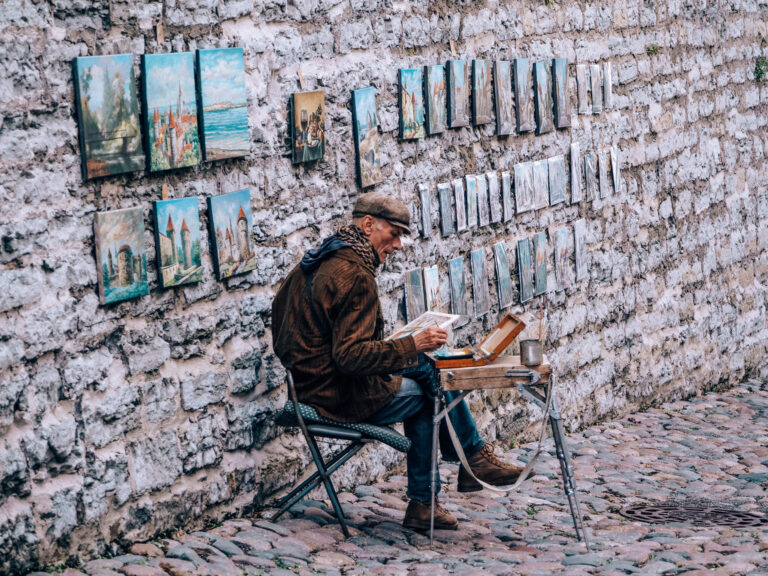
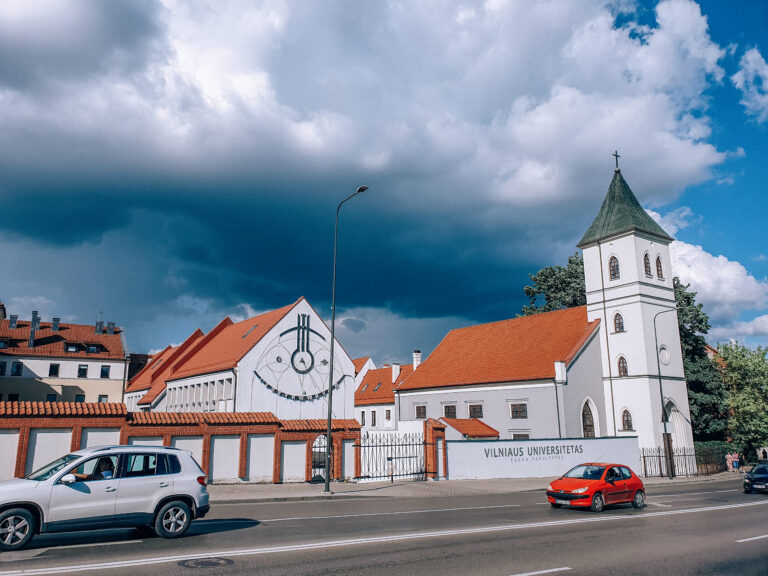
The three Baltic capitals — Tallinn, Riga, and Vilnius — are each genuinely distinct and each worth more time than most visitors give them. Tallinn’s medieval old town is one of the best-preserved in Europe. Riga has extraordinary Art Nouveau architecture and a food market that’s one of the best I’ve visited anywhere. Vilnius is the most underrated of the three — quieter, less polished, more interesting for it.
The unmissable detour is Trakai Castle, just outside Vilnius — a Gothic island castle on a lake that looks completely implausible and is completely real. If you have time, extend into Poland and end in Gdańsk, one of my favourite cities in Europe.
- How many days: 7-10
- Best time: May to September. June has a medieval festival in Tallinn that’s worth planning around.


4. North Coast 500, Scotland
I lived in Scotland for 10 years and drove more routes through the Highlands than I can count. After visiting over 90 countries, I still think Scotland is one of the most beautiful places on Earth. The NC500 is the most famous of its road trips – 516 miles of coastline, castle ruins, single-track roads, and scenery that genuinely stops you mid-drive.
Starting and finishing in Inverness, the route takes you up the east coast past Dunrobin Castle and the whisky distilleries around Wick, across the dramatic north coast, and back down the west through Torridon and Applecross. The Bealach na Bà pass (Scotland’s highest road) is not for the faint-hearted but the views from the top are worth every white-knuckle hairpin bend.
Two things to know: the roads are narrow and the weather changes fast. Budget more time than you think you need, and if the sun comes out, stop immediately — it might not last.
- How many days: 7-10 (5 is doable but you’ll regret rushing it)
- Best time: Late May to August for the best weather and the longest days.
5. Serbia
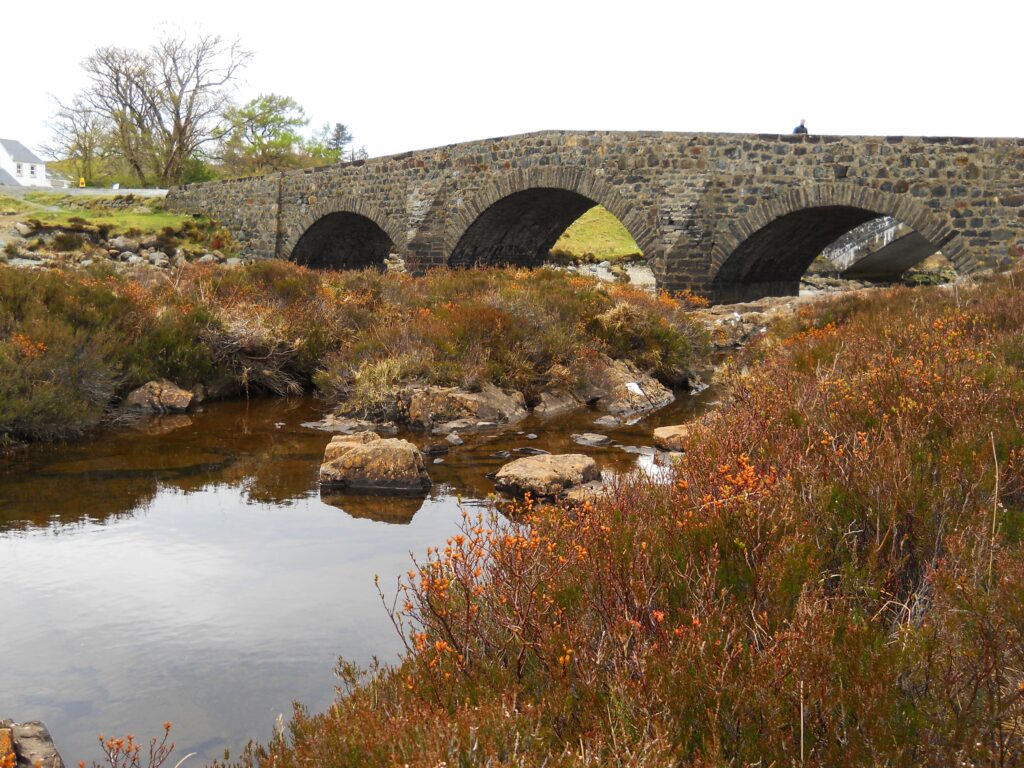
Serbia surprised me more than almost any country I’ve driven through in Europe. It’s still genuinely off the radar for most Western tourists, which means you get the history, the food, and the landscapes without the crowds.
Start in Belgrade , which is a chaotic and fascinating city with some of the best nightlife in Europe if that’s your thing, and some genuinely moving history if it isn’t. The Kalemegdan Fortress above the confluence of the Sava and Danube rivers is one of the great city viewpoints in Europe. Drive north to Novi Sad and the Petrovaradin Fortress, then south through Fruška Gora National Park to Niš, one of the oldest cities on the continent.
The highlight of the whole route is Đavolja Varos (Devil’s Town) a natural rock formation in southern Serbia that looks like something from another planet. It’s one of the most unusual things I’ve seen anywhere in Europe and almost nobody talks about it.
- How many days: 5-7. You can continue south into North Macedonia and Albania from here, though you’ll need to factor in border regulations for the car rental.
- Best time: Spring to autumn.


6. Tatra Mountains, Poland & Slovakia
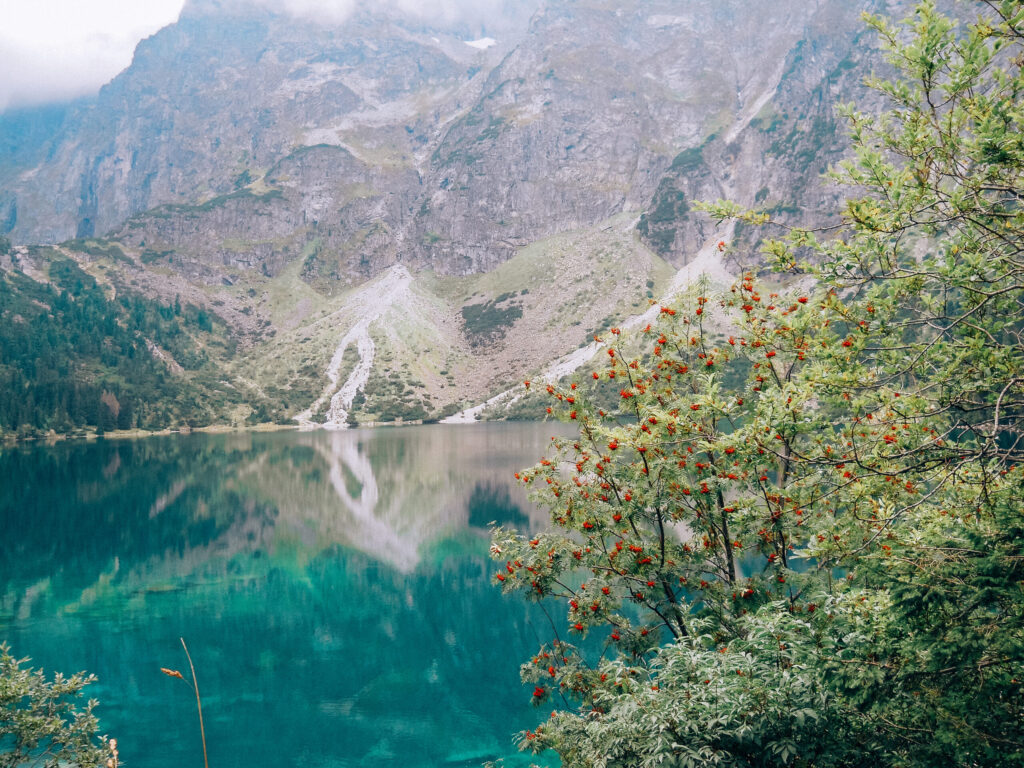
This is a road trip that rewards people who like their landscapes dramatic and their towns relatively quiet. The Tatras form the border between southern Poland and Slovakia, and driving through them — through mountain passes, past glacial lakes, and along valley roads with peaks on both sides — is one of the better drives I’ve done in Central Europe.
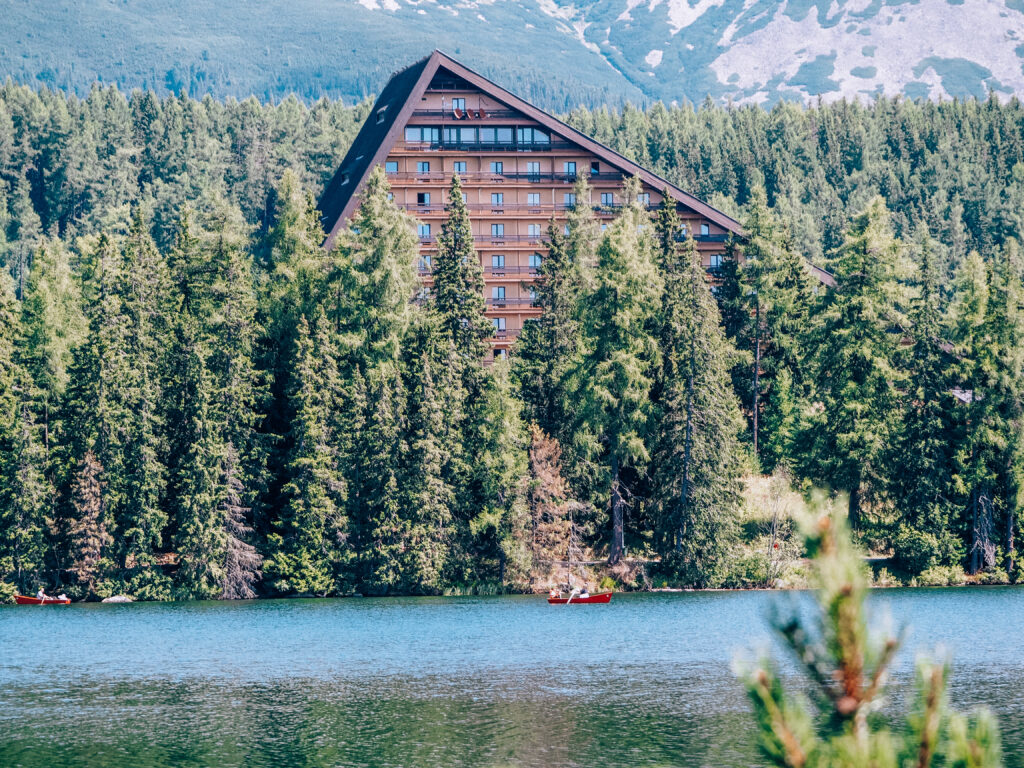
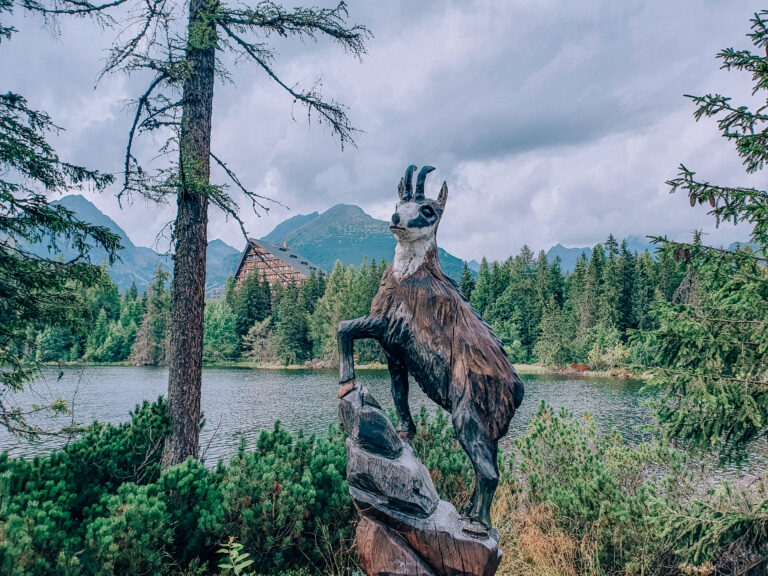
Start in Kraków (don’t leave without visiting Wieliczka salt mine and Wawel Castle), drive south to Zakopane, Poland’s mountain capital, and cross into Slovakia. I spent a couple of nights in Štrbské Pleso, a mountain lake town in the High Tatras — the kind of place that’s completely peaceful in a way that feels rare. From there, continue through the High Tatras National Park and finish in Košice, Slovakia’s second city, which has a beautiful Gothic cathedral and an old town that almost nobody visits.
- How many days: 7-10. Combine it with the Kraków to Wrocław route below for a longer Poland trip.
- Best time: All year. Late spring to early autumn for hiking; winter for snow and atmosphere.
7. Bulgaria’s Black Sea Coast
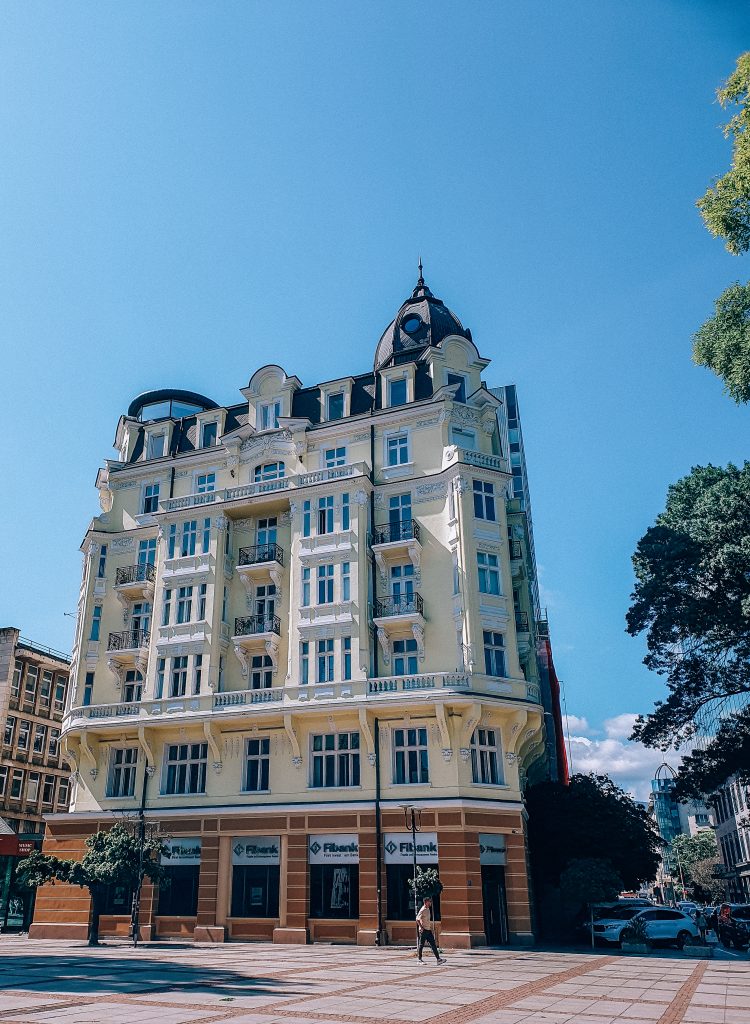
I’ll be transparent here: I traveled this route with my mother by means other than driving, extending into inland Bulgaria. I’m including it because the coastal route from Varna to Burgas is well-suited to a road trip and still relatively unknown compared to the more obvious Adriatic and Mediterranean coasts.
The highlight is Nessebar, a UNESCO-listed old town on a small peninsula with medieval churches, cobbled streets, and sea on three sides. It’s one of the most quietly beautiful places on the Black Sea coast. Sozopol to the south is worth a stop too: smaller, less visited, genuinely charming.
- How many days: 5-7
- Best time: June to September for beaches. The coast gets busy in July and August but not unpleasantly so by European standards.

8. Swiss Alps Grand Tour, Switzerland
Switzerland is expensive. That’s the honest warning that needs to come first. But the scenery is extraordinary and the roads (particularly the mountain passes) are some of the best driving in Europe.
Start in Zurich and head into the mountains via the Grimsel Pass, one of the most dramatic alpine roads I’ve driven. Lake Lucerne is worth lingering at – the water is an impossible shade of blue and the surrounding peaks are reflected in it on calm days. Interlaken is the obvious base for the central Alps; Zermatt, where you can see the Matterhorn from the main street, is worth the detour south.
The route ends in Geneva, which is a pleasant city to finish in:lakefront, well-fed, entirely comfortable.
- How many days: 7-10
- Best time: June to August when the mountain passes are open and the weather is at its most reliable.
9. Albanian Riviera
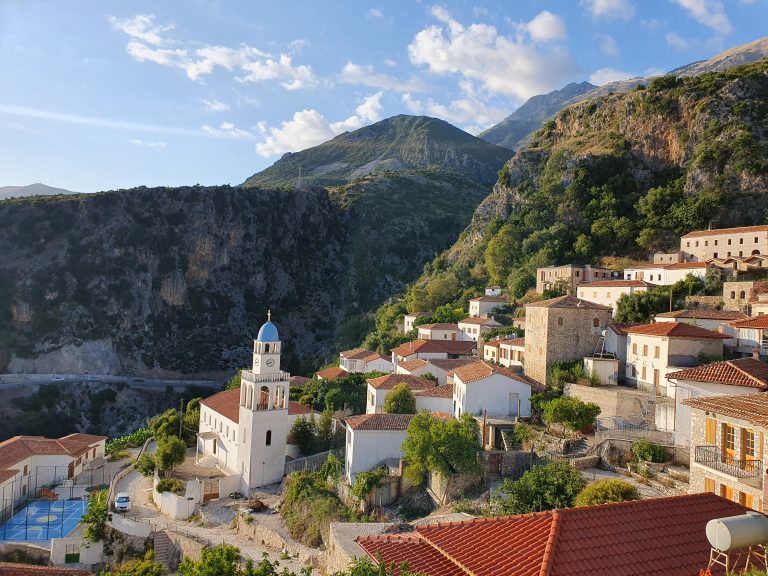
Albania was one of the genuine surprises of my European road driving. The Riviera — from Vlorë south to Sarandë — has some of the clearest water I’ve seen in the Mediterranean and a fraction of the crowds you’d find in Croatia or Greece. The roads are an adventure, which is the polite way of saying they require your full attention. I have a full guide to renting a car and driving in Albania if you want the honest details before you commit.
A note on specifics: Ksamil has beautiful beaches but skews young and party-oriented. Dhërmi is more my style — I found a remarkable boutique hotel up in the old village above the coast, the whole settlement converted into accommodation. The service needed work but the setting was extraordinary. If you have time, the mountainous north is completely different — dramatic, empty, and almost entirely untouched by tourism.
- How many days: 5-10 depending on how far north you go
- Best time: May to September. July and August get crowded along the coast.

10. Macedonian Wine Route, North Macedonia
North Macedonia doesn’t appear on most people’s radar for European road trips, which is exactly why it’s worth considering. The wine route through the Tikveš region is the most structured way to see the country — it takes you from Skopje (genuinely one of the most eccentric capital cities in Europe, in the best possible way) south through vineyard country to Lake Ohrid, which is one of the most beautiful lake towns on the continent.
The wines are better than you’d expect — Vranec, the local red grape, produces full-bodied wines that hold up against better-known Balkan varieties. The wineries along the route — Tikveš, Popova Kula, Stobi — all offer tastings paired with traditional food.
End in Ohrid. It’s a UNESCO World Heritage site and one of the places in Europe I find hardest to leave.
- How many days: 5-7
- Best time: Summer for wine festivals and warm weather.


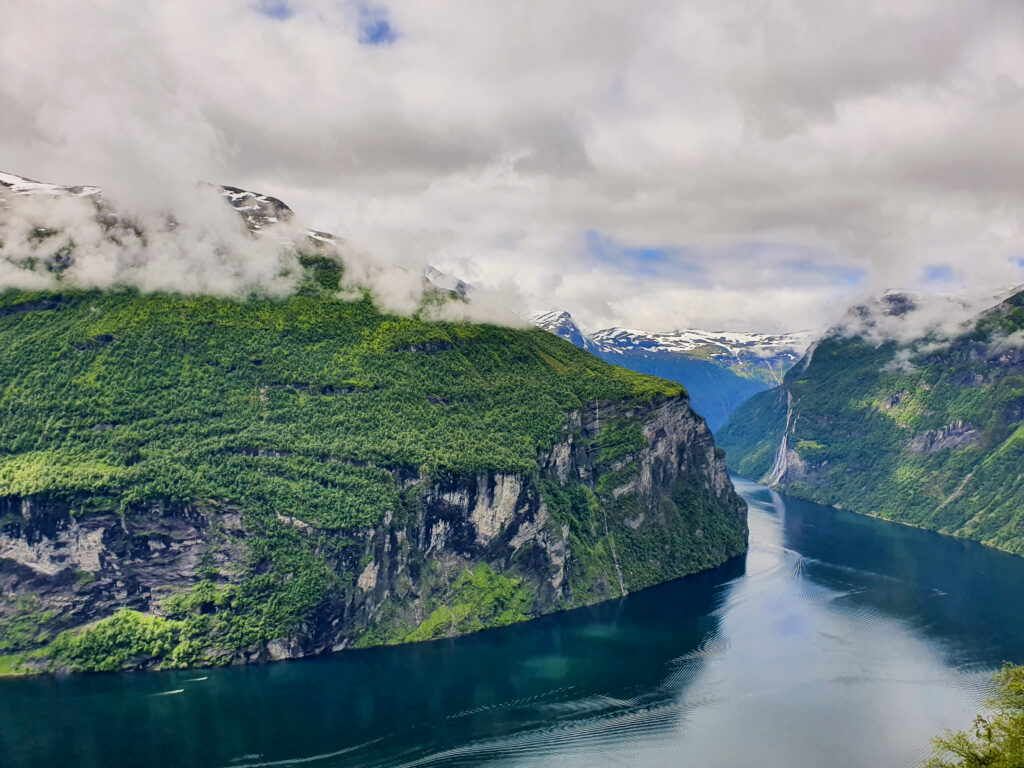
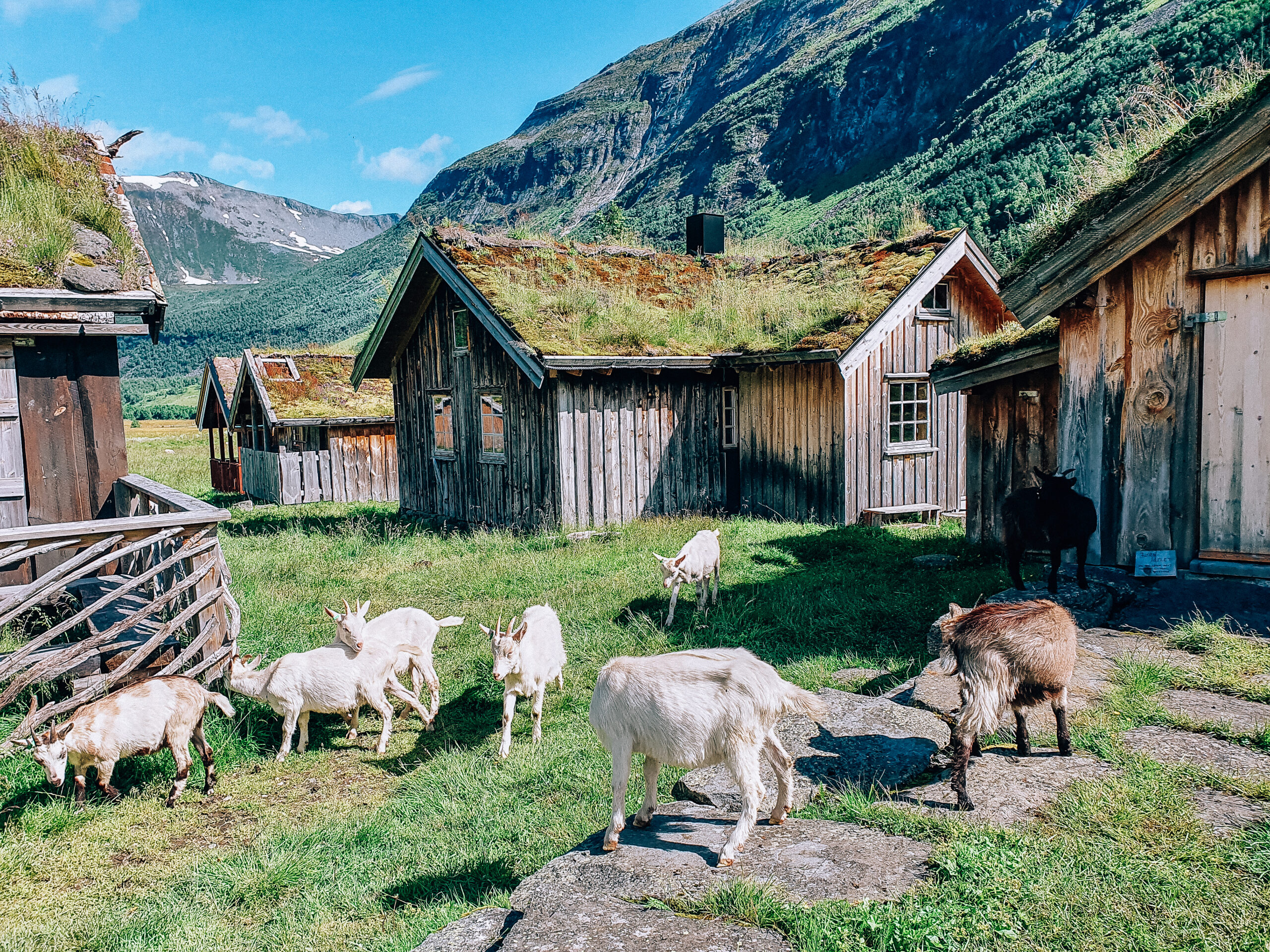
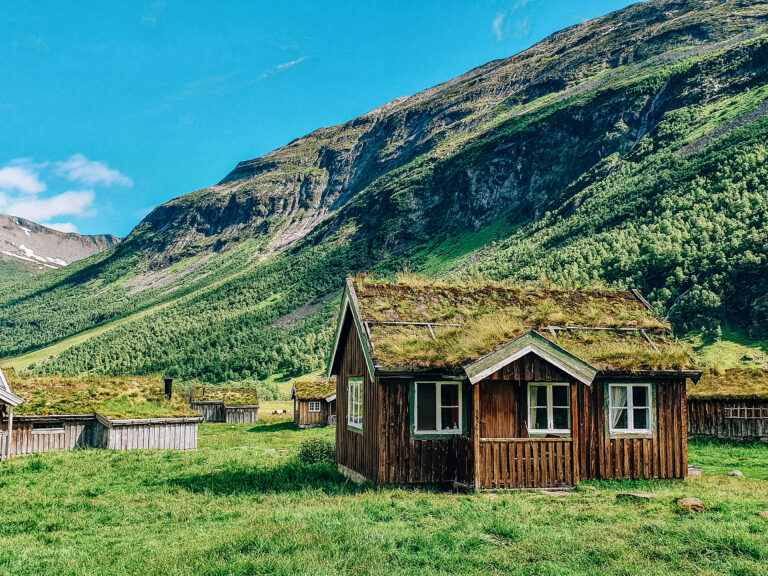
11. Norwegian Fjords
I’ve written a full guide to road-tripping through the Norwegian fjords, so I’ll keep this brief: it is one of the most spectacular drives in the world, not just in Europe. We did our trip over 10 days in summer and had near-perfect weather, which I’m told is not guaranteed.
Start in Bergen and work your way through Flåm, the Aurlandsfjord, Geirangerfjord, and the Trollstigen mountain road. Every viewpoint earns its stop. The Dalsnibba Skywalk above Geiranger is the kind of thing that makes you wonder why you haven’t been to Norway before.
Rent with unlimited mileage (the distances add up) and use the scenic ferries to cross between fjords rather than doubling back on the same roads.
- How many days: 7-12
- Best time: June to August for the best visibility and weather.
12. Golden Circle & South Coast, Iceland
Iceland is one of the few places where renting a car isn’t just convenient, but it’s essentially the only way to see the country properly. I have a full Iceland road trip itinerary if you want the detailed version.
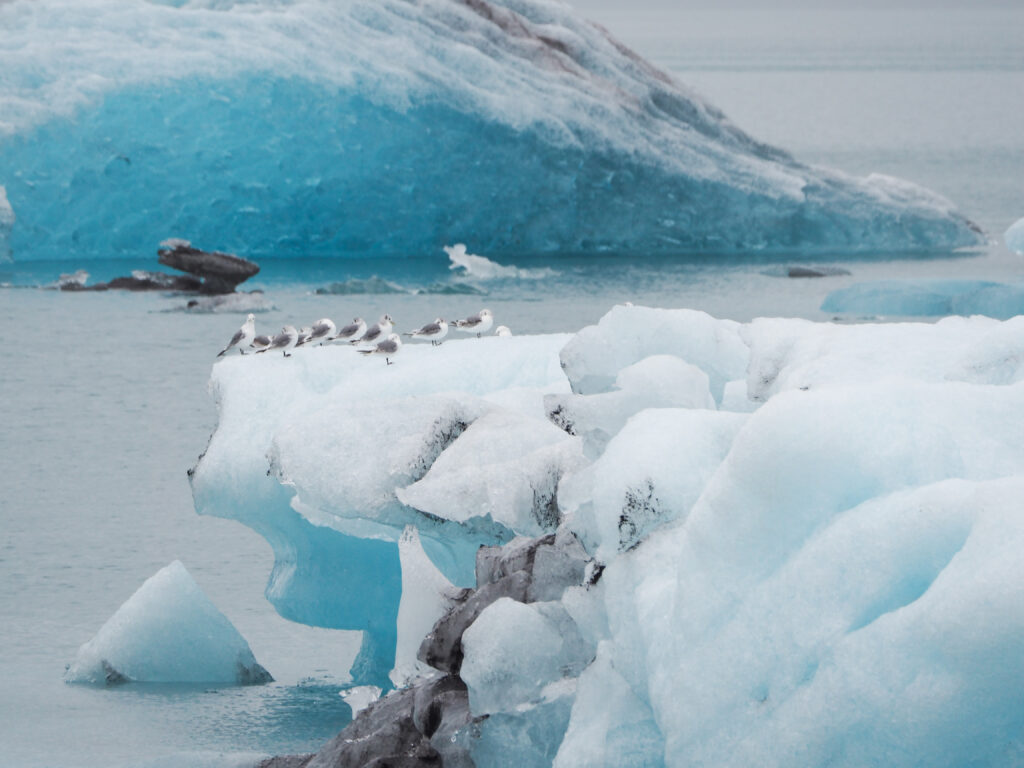
The Golden Circle covers the essentials: Þingvellir National Park, the Geysir geothermal area, and Gullfoss waterfall. But the South Coast is where the drive gets extraordinary — Seljalandsfoss (the waterfall you can walk behind), Skógafoss, the Solheimasandur plane wreck on a black sand beach, Reynisfjara’s basalt columns, and the Jökulsárlón glacier lagoon, where icebergs drift silently into the sea.
One honest note: in summer the Diamond Beach lacks the floating ice chunks that make it famous in winter. Go in winter if ice is the goal; summer for green fields, waterfalls in full flow, puffins, and whales.
- How many days: 5-12 depending on how far around the Ring Road you go
- Best time: All year, but for different reasons. Summer for warmth and wildlife; winter for ice caves and the Northern Lights.

13. Florence to Nice, Italy & France
This coastal drive through northern Italy and into the French Riviera is one of the most indulgent road trips in Europe — in the best sense of that word. Good food, beautiful coastline, historic cities, and manageable driving distances between stops.
Start in Florence and spend two days before you pick up the car. The Uffizi Gallery is non-negotiable – book skip-the-line tickets and arrive before opening time, because by mid-morning the crowds make it genuinely unpleasant. Drive west to Pisa (quick stop, Tower photo, continue), then to Cinque Terre. One honest note: don’t drive into Cinque Terre itself. Park outside and take the train between villages — driving in is a guaranteed traffic nightmare.
From Cinque Terre, continue to Genoa (underrated — grand palaces, a labyrinthine old town, excellent food), then along the Ligurian coast through Portofino to the French border. End in Nice via Menton, and if you have a day spare, Monaco and Cannes are both short drives away.
- How many days: 10-12
- Best time: April to July and September to October. August is extremely crowded and hot along this entire coast.

14. Galicia & Asturias, Spain
In my opinion this is the most underrated road trip in Spain, and one of the best in Europe. I’ve written separately about the Galicia section in detail, but the route through both regions deserves its own mention as a complete itinerary.
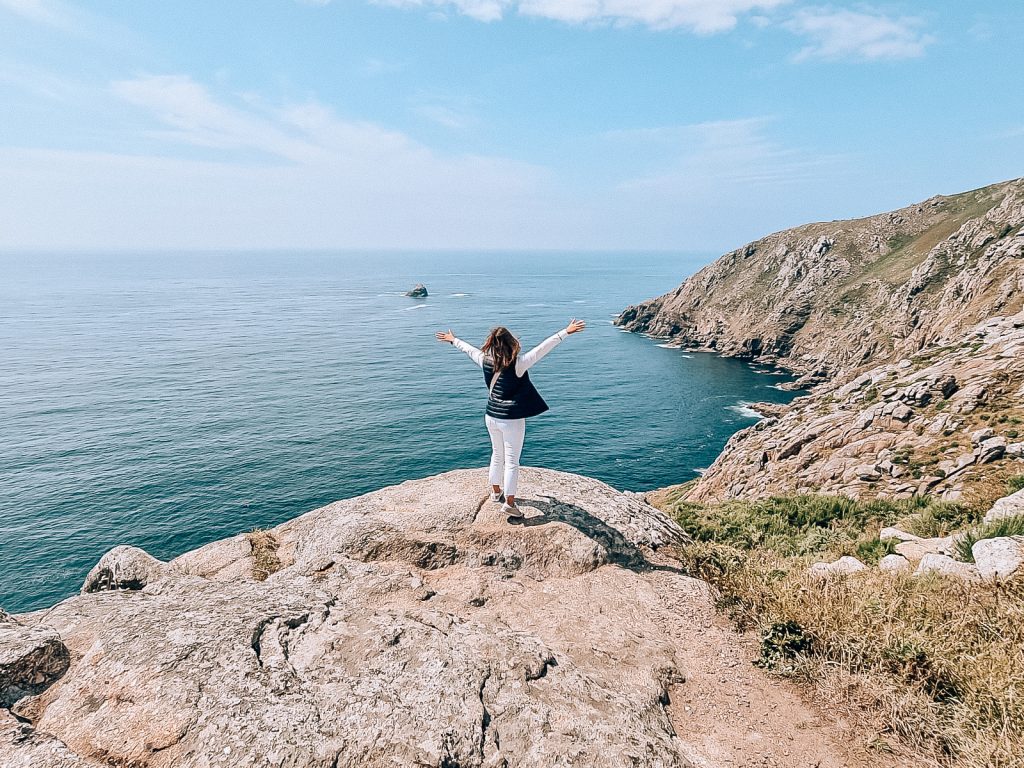
Start in Santiago de Compostela, drive west to the Costa da Morte and the lighthouse at Finisterre — the end of the known world, historically — then north along a coastline that looks nothing like the Spain most people visit. The Playa de las Catedrales needs an advance booking (it’s a protected site), but it’s one of the most dramatic beaches I’ve seen anywhere.
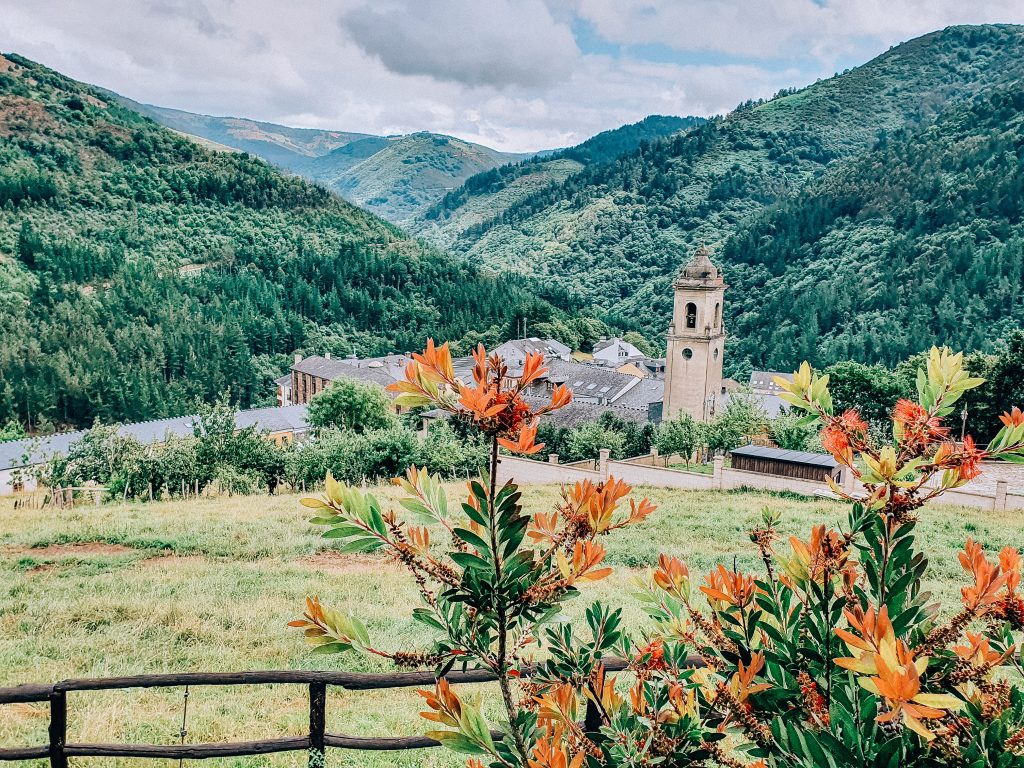
Cross into Asturias and the landscape shifts again with green hills, apple orchards, cider bars, and the Picos de Europa rising dramatically behind the coast. Oviedo is a genuinely lovely small city that almost no foreign tourists visit. Cudillero, a tiny fishing village stacked up a hillside above its harbour, is the kind of place you find yourself extending your stay for.
- How many days: 8-10, more if you hike in the Picos
- Best time: May to September for drier weather. June and September avoid the summer crowds.
15. Kraków to Wrocław, Poland
Poland is still significantly undervisited by Western European road trippers, which means you get medieval architecture, world-class food, and genuinely moving history without fighting for it with tour groups.
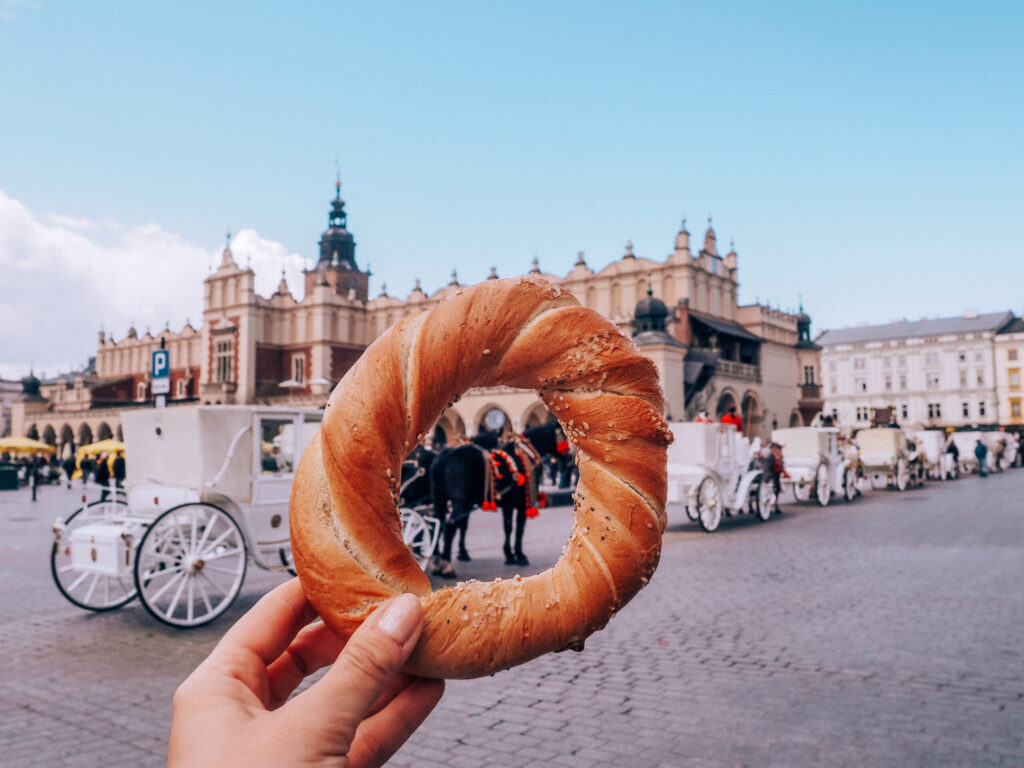
Start in Kraków (Wawel Castle, the Main Square, the Jewish Quarter of Kazimierz) and allow at least two days before getting in the car. The Wieliczka Salt Mine just outside the city is one of the most extraordinary underground spaces I’ve seen anywhere. The Auschwitz-Birkenau Memorial is not something you visit lightly, but it’s one of the most important sites in Europe and worth the detour west.
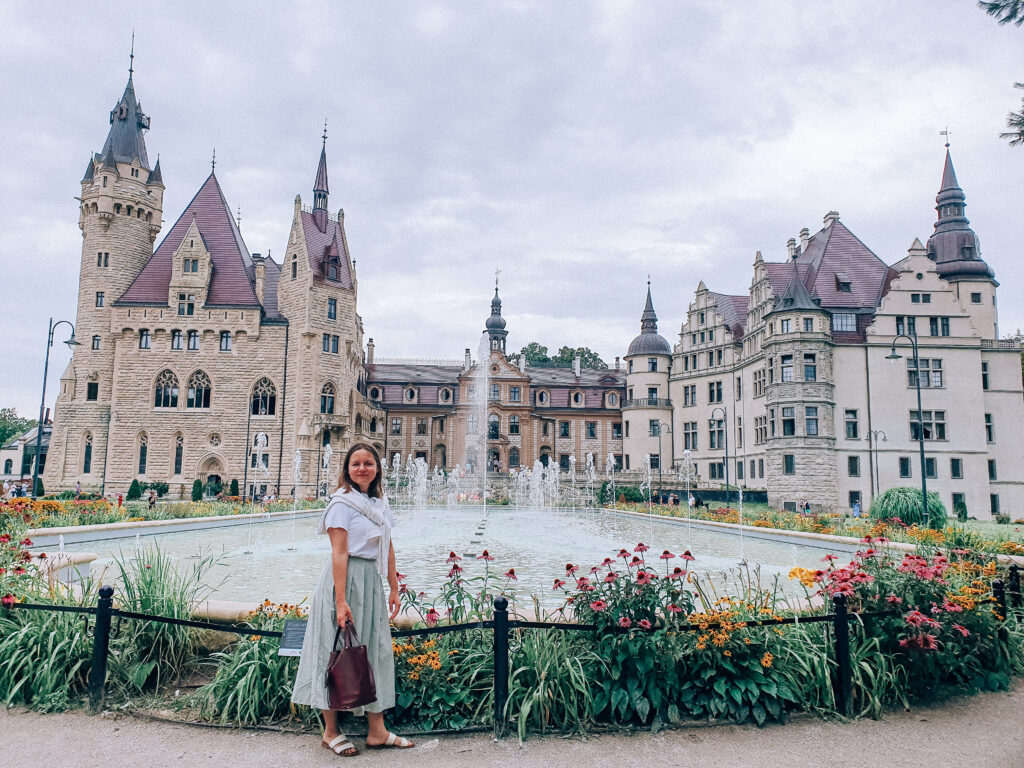
Drive through Opole to Moszna Castle , a gothic-baroque-neogothic fantasy of a building that most people have never heard of and which is completely surreal in the best possible way. End in Wrocław, which has one of the finest market squares in Central Europe and a city full of small bronze dwarfs hidden in unexpected places. I recommend combining this with the Tatra Mountains route for a fuller Poland trip.
- How many days: 3-5 standalone, better as part of a longer Poland itinerary
- Best time: Spring to autumn.
See also:
- What you need to know about driving in Slovakia + 5 day road trip itinerary
- 14 days in Georgia: a perfect road trip itinerary
- Ultimate Guide to Renting a Car and Driving in Sicily for First-Time Visitors
- 8 days in Armenia: a perfect road trip itinerary
- Guide to driving and renting a car in Armenia: best tips and advice
Tips for Planning the Best European Road Trips
Book your car early. Rates increase significantly closer to travel dates, especially in summer. I use Discover Cars for every trip as they compare local and international providers and have consistently given me better deals than going direct. Read the insurance small print carefully before you confirm. I learned that lesson the hard way in Sicily.
Choose the right vehicle. Fuel-efficient for flat routes; SUV for mountain passes and rural roads. Petrol is expensive across Europe — it adds up faster than you expect.
Check border crossing rules. If you’re crossing between countries, verify your rental agreement allows it. Some companies restrict cross-border driving and the fees for violations are significant.
Use eSIMs. Don’t pay roaming charges. Order a travel eSIM before you leave: Airalo and Yesim are both reliable and cost a fraction of what your home network will charge for European data.
Get travel insurance. I use World Nomads for active trips involving hiking or adventure activities, and EKTA for standard trips- straightforward terms and conditions and good coverage. For European road trips specifically, Visitors Coverage has plans designed for Schengen travel worth looking at.
Book accommodation in peak season. Particularly in Iceland, Norway, and the Swiss Alps in summer, and along the Italian and French coasts in July and August. Leaving it to chance is fine in shoulder season; in peak months you’ll end up paying twice as much for something half as good.
Use my favourite travel resources to plan your dream trips
- Booking.comfor searching best prices on accommodation.
- AirHelp helps to get compensation for cancelled or delayed flights.
- Travel Payouts is my favourite platform for monetizing the blog.
- Discover Cars is a great website as they search both local and international car hire services, so you can choose the best deal for yourself. Make sure though, that the company has a good reputation and reviews.
- Get Your Guide is my place to go for searching and booking tours and excursions, especially when I travel solo.
- World Nomads and EKTA travel insurance. I like them because they have quite extensive coverage of different activities.
- WeGoTrip sends you audio guides to your mobile, so you can visit places while learning history and interesting facts easily and for little money.
- Go City is a perfect site for booking bucket list experiences and attractions all in one to avoid paying for multiple tickets. Easy and saves money. You can even save 50%.
- Trip Advisor– amazing for good quality recommendations.
- Skyscanner is a perfect website for searching flight routes and comparing prices.
- Airalo is my eSim choice for alternative data abroad.
Best road trip from around the world



This really made me want to get back on the road. I’ve done a couple of European road trips, and the way you describe the mix of landscapes and driving time feels very realistic.
Europe is quite good for road trips.Which one was your favourite?