Chiloé Island Road Trip: UNESCO Churches, Whales & Everything You Need to Know
When you hear stories about something more than fifty times from different people, you get to the point where you really want to find out what all the fuss is about. For two years living in Chile and travelling around South America, I heard from many people — mostly Chileans — that Chiloé Island is an absolute must. They are surely very proud of having it in their territory.
And honestly? They are right. From the beautiful green landscape and hidden picturesque corners to the friendly, chatty locals, Chiloé has so much to offer even the fussiest of travellers. It is one of those places that genuinely surprises you, and it makes for an absolutely epic road trip.
Please note that this post included affiliate links, when you decide to purchase anything through these links I get a small commission at NO extra cost to you, it helps me to keep running this blog! I only promote products and services I use or would use myself. All images are the property of Postcards from the World and cannot be used without permission.
A road trip around Chiloé island in Chile: all you need to know
Why Visit Chiloé Island?
Chiloé is the largest island in Chilean Patagonia and one of the most culturally rich destinations in all of South America. When we lived in Chile, every local was telling us that Chiloe island is a must to visit.
It has its own mythology, its own architecture, its own food traditions, and a pace of life that feels completely different from the rest of Chile. There are so many incredible things you can do in Chiloe, like chasing penguins, whale watching, exploring misty forests, or hunting down colourful wooden churches on tiny ferry-connected islands. You cannot get bored there.
It is popular with Chilean holidaymakers, which means it has solid infrastructure, good accommodation options, and plenty of local tour operators — but it has not yet been overrun by international mass tourism. Go while it still feels like a discovery.
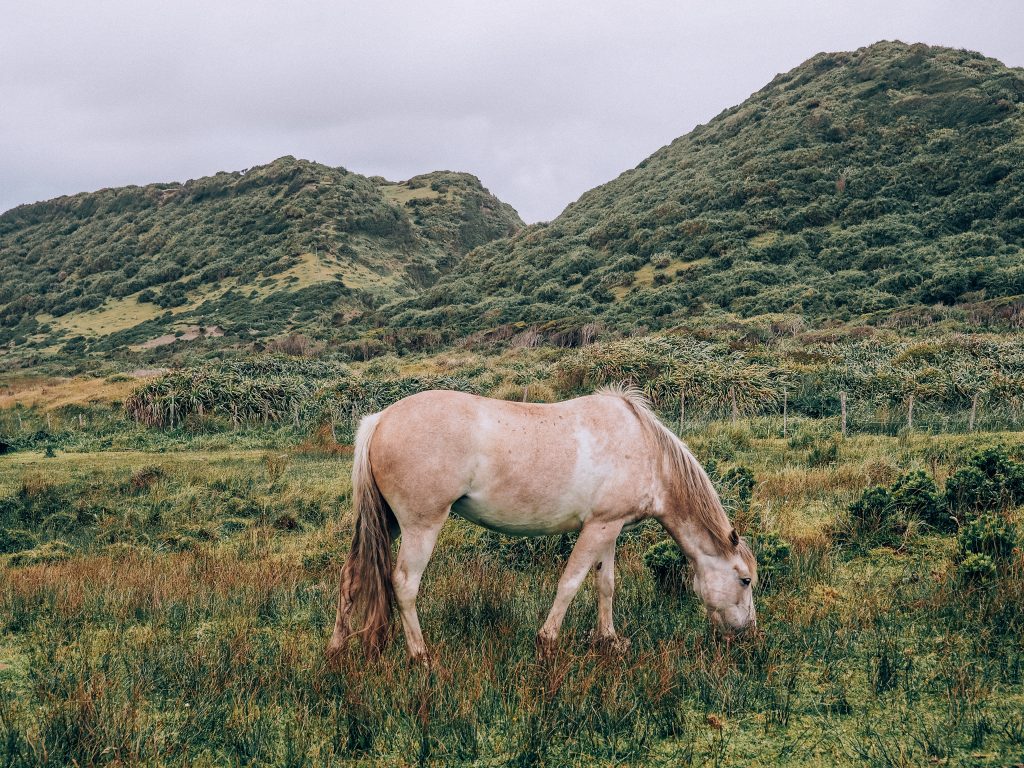
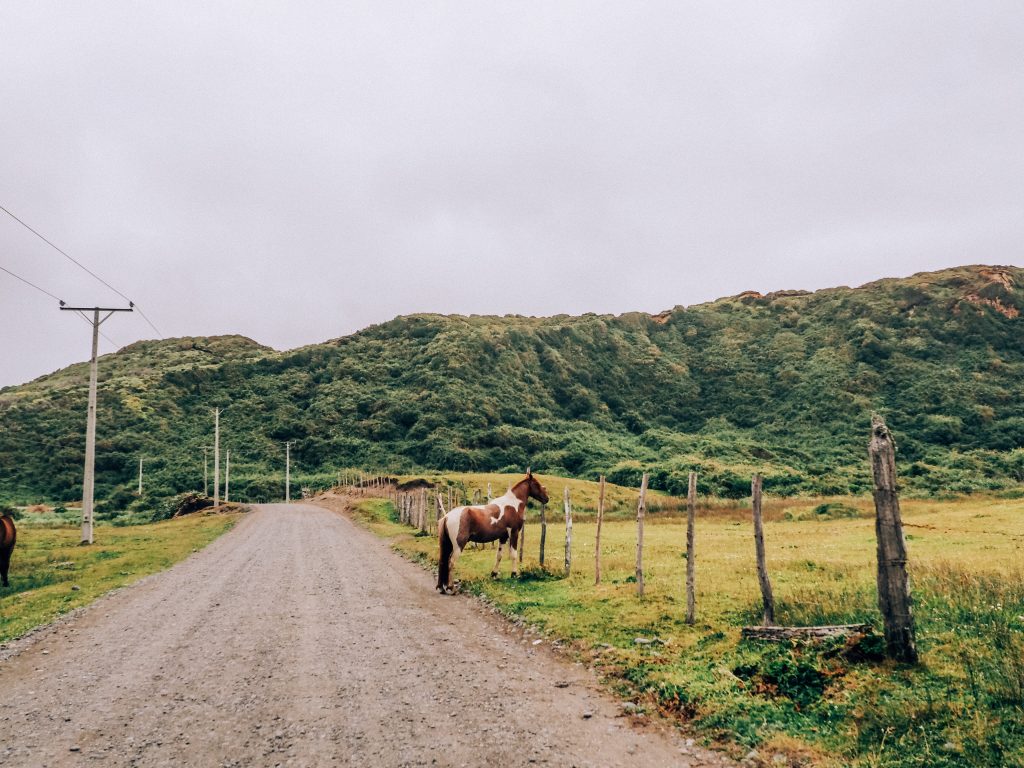
How to Get to Chiloé Island
To get to Chiloé, you take a short ferry crossing from Pargua (near Puerto Montt) to Chacao on the island. The crossing takes about 30 minutes and runs frequently throughout the day. If you are driving, you simply roll onto the ferry with your car — easy and oddly enjoyable.
We flew from Puerto Montt and there we rented a car. It was too far for us to drive all the way south from Atacama, where we lived.
From Puerto Montt: This is the most common gateway. You can reach Puerto Montt by bus from Santiago (approximately 12 hours) or by flying into El Tepual Airport.
By bus: There are direct buses from Puerto Montt and other cities in the Lakes District that cross on the ferry and continue to Castro, the island’s capital. It is a convenient and affordable option if you are not renting a car.
What to see during your chiloe island road trip
The island is decent size and with its rich history and uniqueness, I am sure you will have plenty to see and do. Here’s the list of my absolute favorite activities.
The Wooden Churches of Chiloé: A UNESCO World Heritage Site
In this post I want to highlight one of the most unique, yet simple, things to see on the island: the wooden churches.
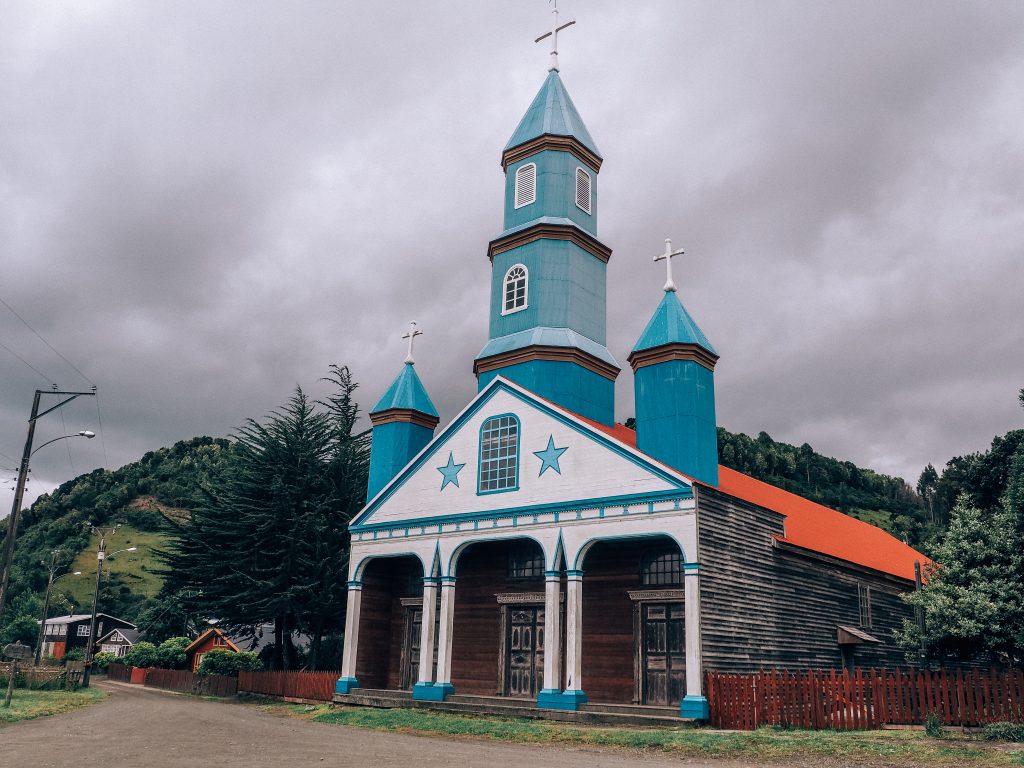
One of the most recognisable attractions of Chiloé are its extraordinary wooden churches. After a boat trip to watch penguins and whales and a little hike to Muelle de las Almas, we did a day-long road trip around the island to see as many of the churches as possible. We picked up a little map showing where they all are, but to see them all properly, two days are really necessary — some are on smaller islands, and the little ferry trips slow the journey down in the best possible way.
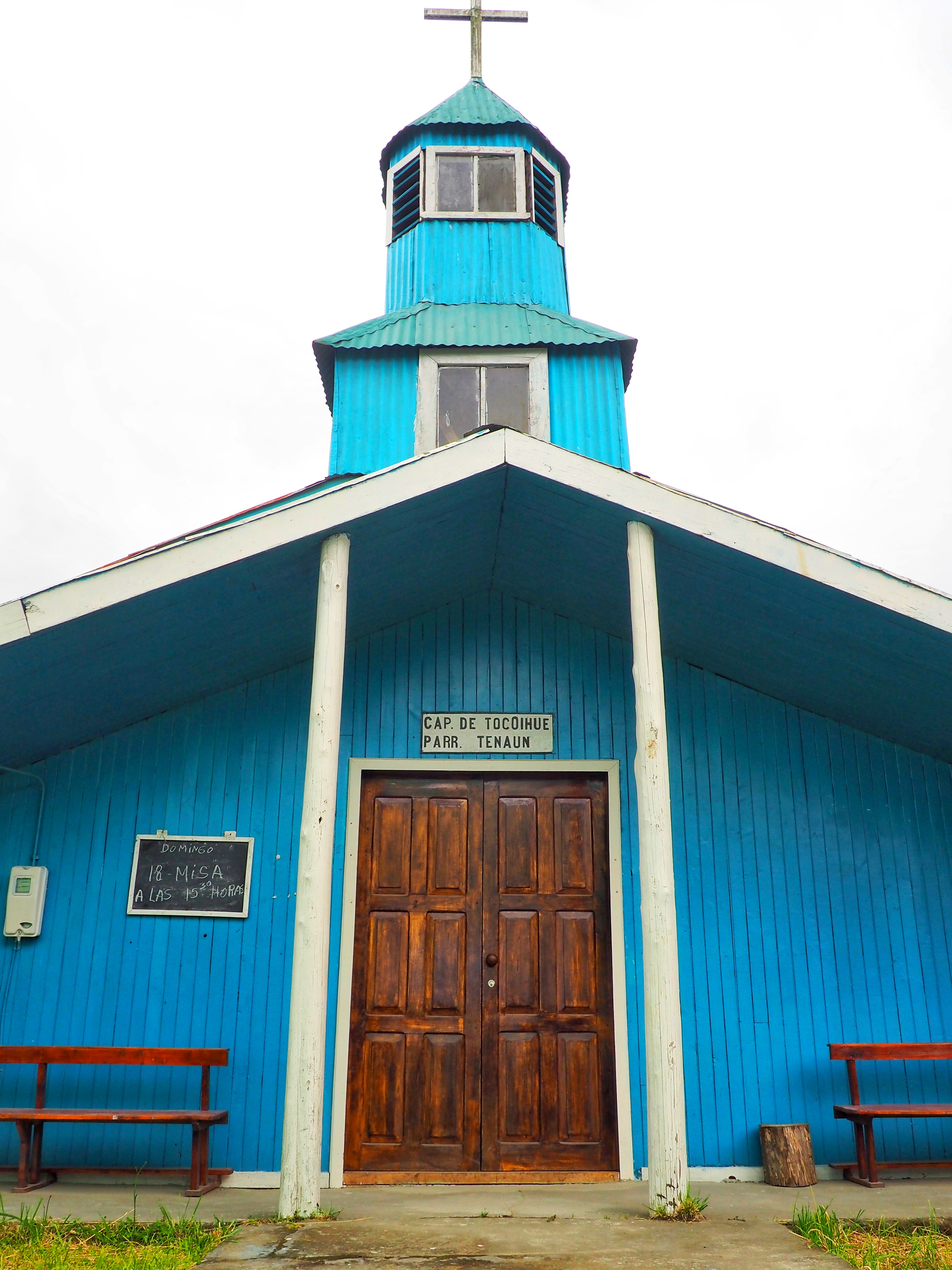
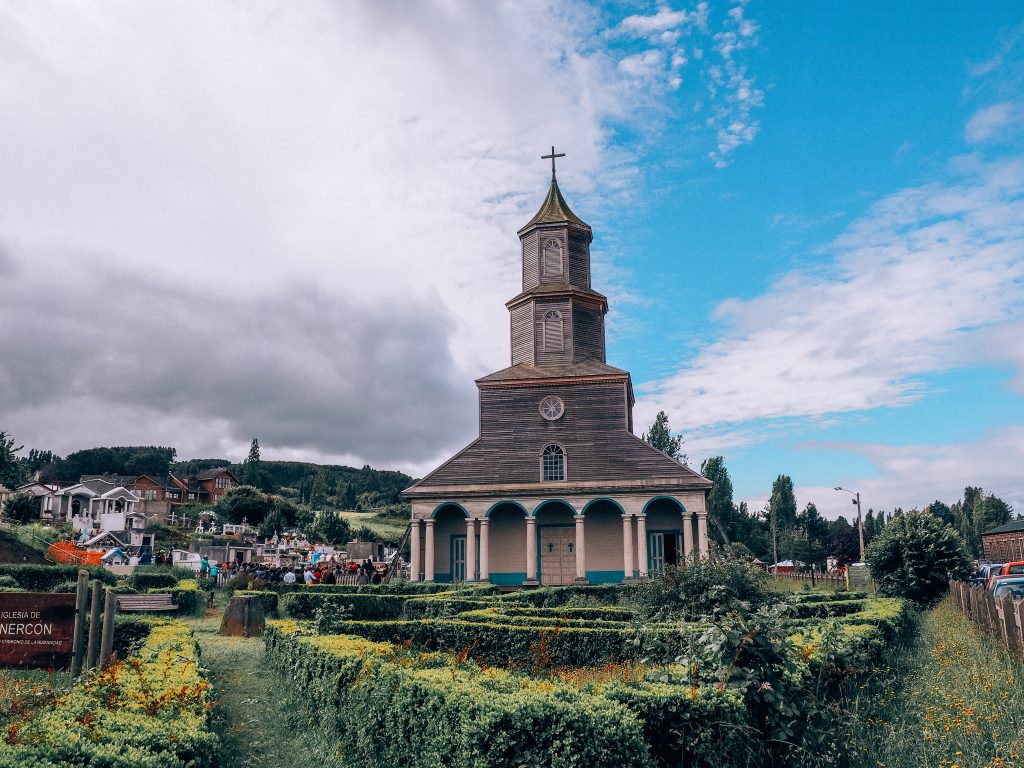
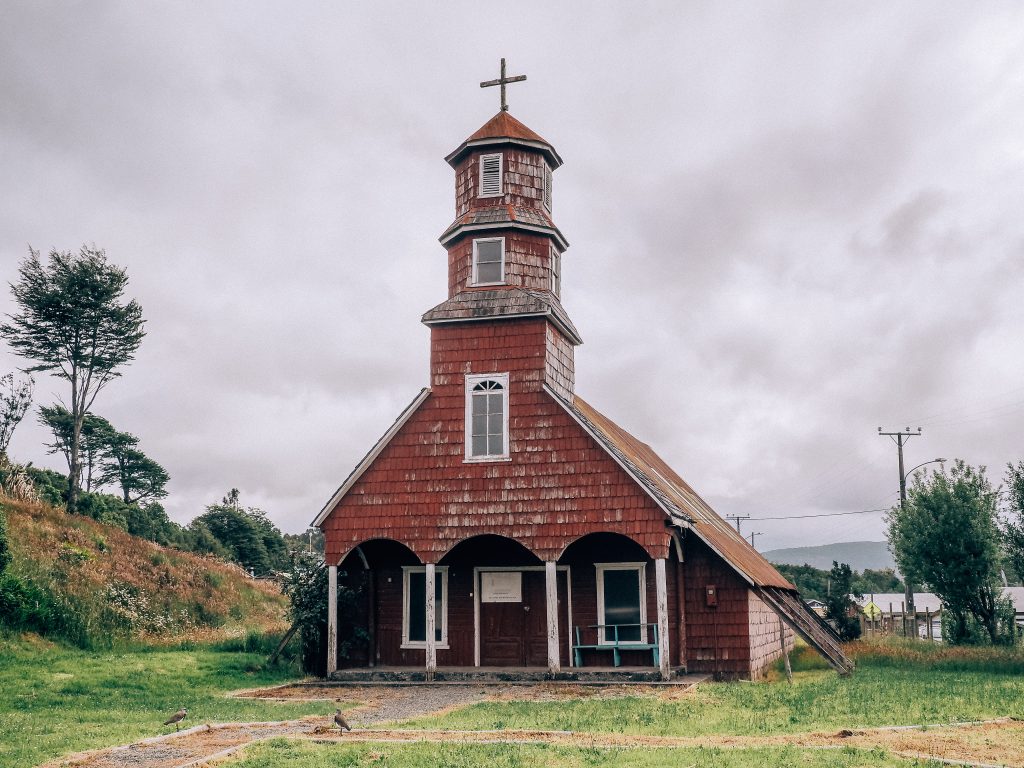
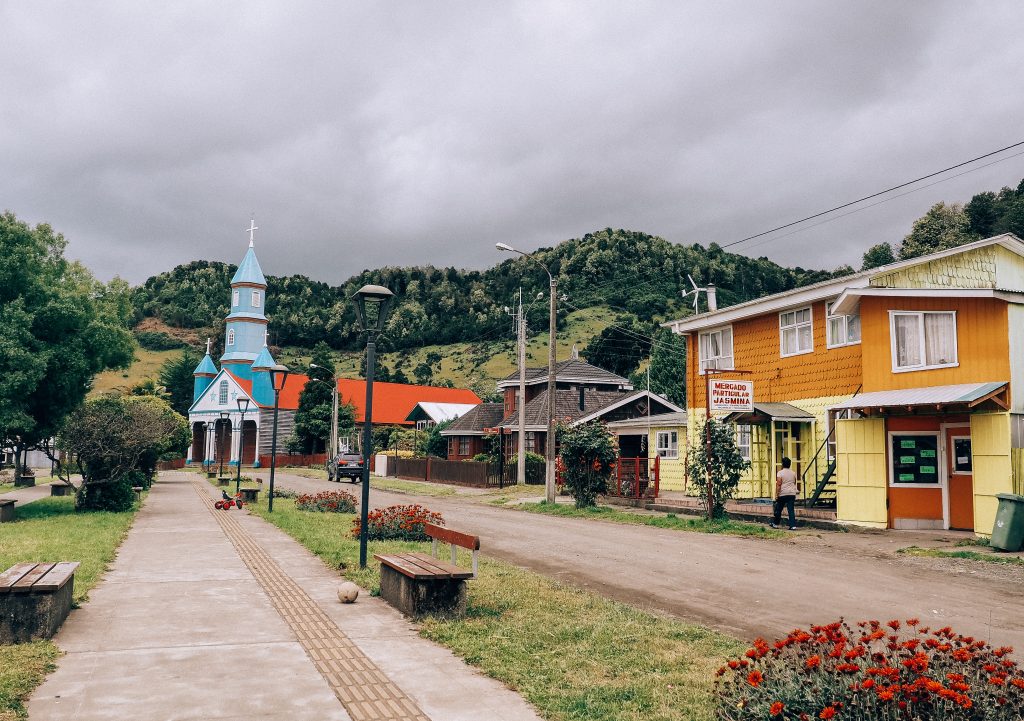
Sixteen colourful wooden churches, which since 2000 have belonged to the UNESCO World Heritage list, form one of the most interesting and photogenic attractions on the island. They were built in the 18th and 19th centuries and are still in remarkably good condition.
The Jesuits who arrived in the Chiloé archipelago at the beginning of the 17th century began an evangelisation mission, which was later continued by the Franciscans. As a result, a total of 70 churches were built within the framework of what became known as the “Circular Mission.” The churches carry deep cultural significance to the mestizo communities that have survived to the present day — they are not just pretty buildings, they are living heritage.
Whale Watching and Penguin Spotting in Chiloé
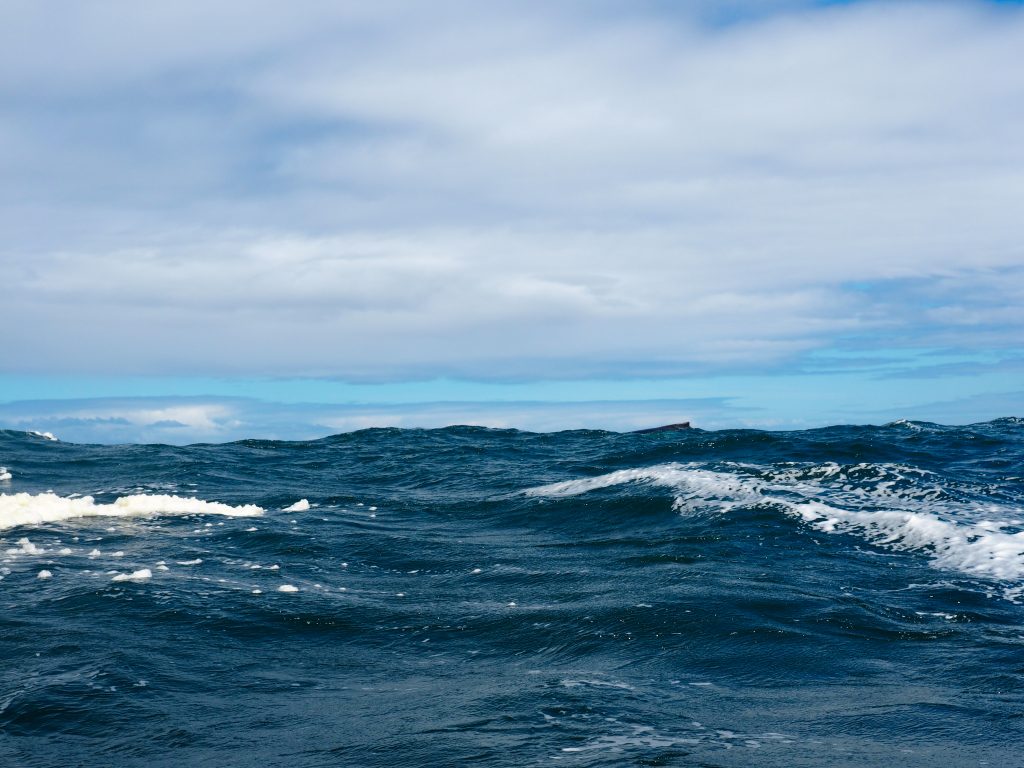
Before diving into the road trip itself, it is worth mentioning that Chiloé offers some of the best wildlife watching in Chile. The waters around the island are feeding grounds for blue whales — the largest animals on Earth — and organised boat tours give you a real chance of spotting them between December and April.
Penguin colonies are also accessible by boat, and combining both into one excursion is absolutely possible and highly recommended. You need to book these kinds of tours in advance. We saw a lot of penguins and a couple of whales, but didn’t manage to see any of them fully bridged. And I also did not managed to take any good photos of the whales we saw.
Muelle de las Almas: The Pier at the End of the World
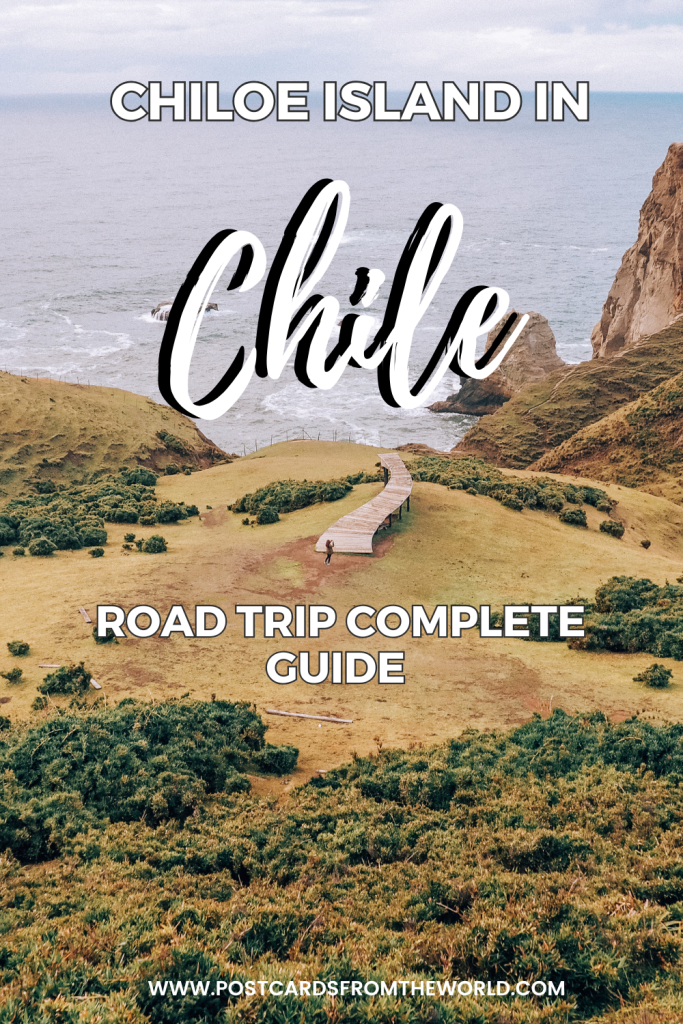
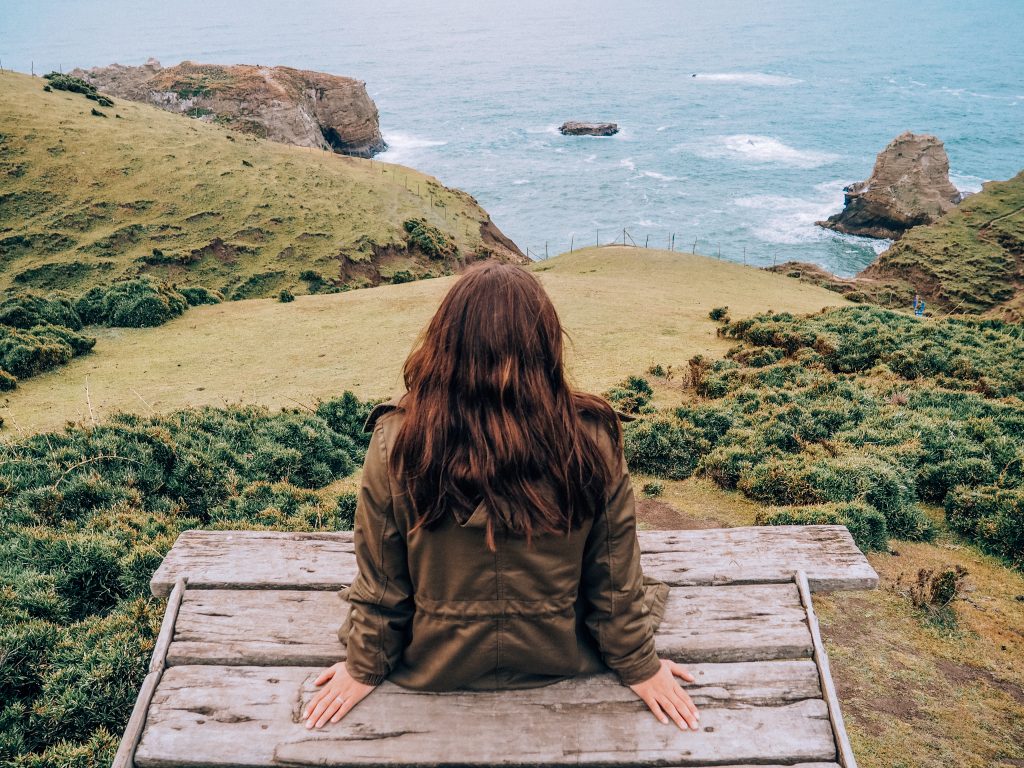
One stop on the road trip that I cannot recommend enough is Muelle de las Almas — the Pier of Souls. It is a wooden sculpture on the cliffs at Cucao, overlooking the wild Pacific Ocean, and it is one of the most atmospheric and quietly moving places I have ever visited. The hike to get there is easy and takes around 30 to 40 minutes through native forest. Go at golden hour if you can.
Shopping in Chiloé: The Best Souvenirs to Bring Home
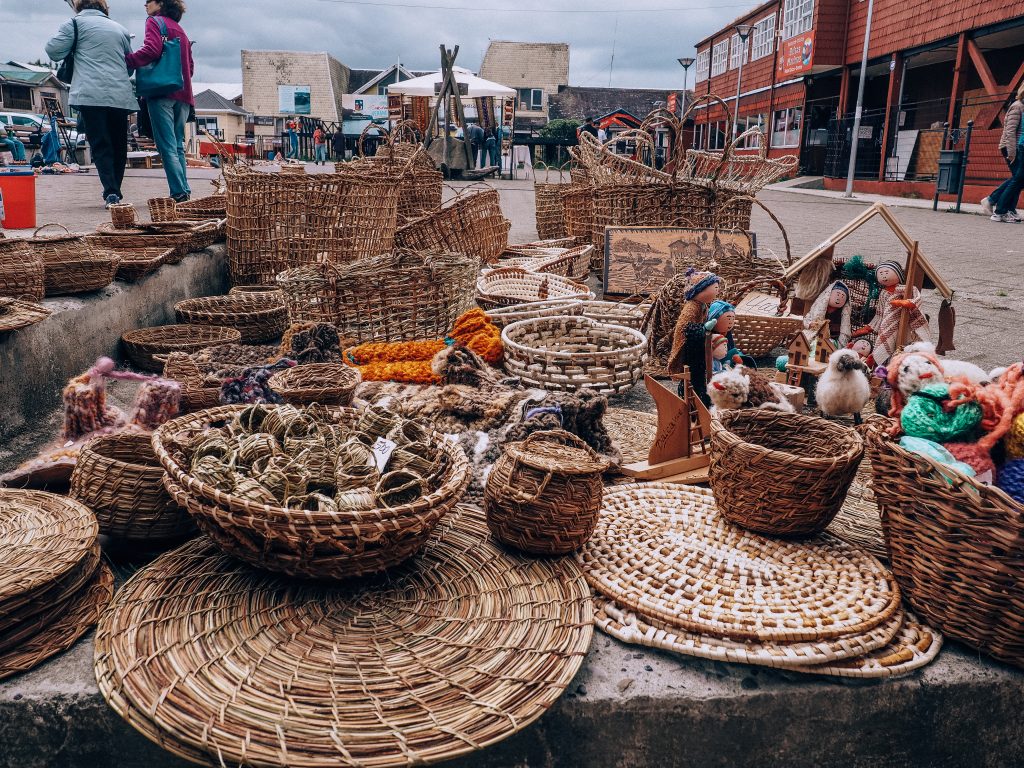
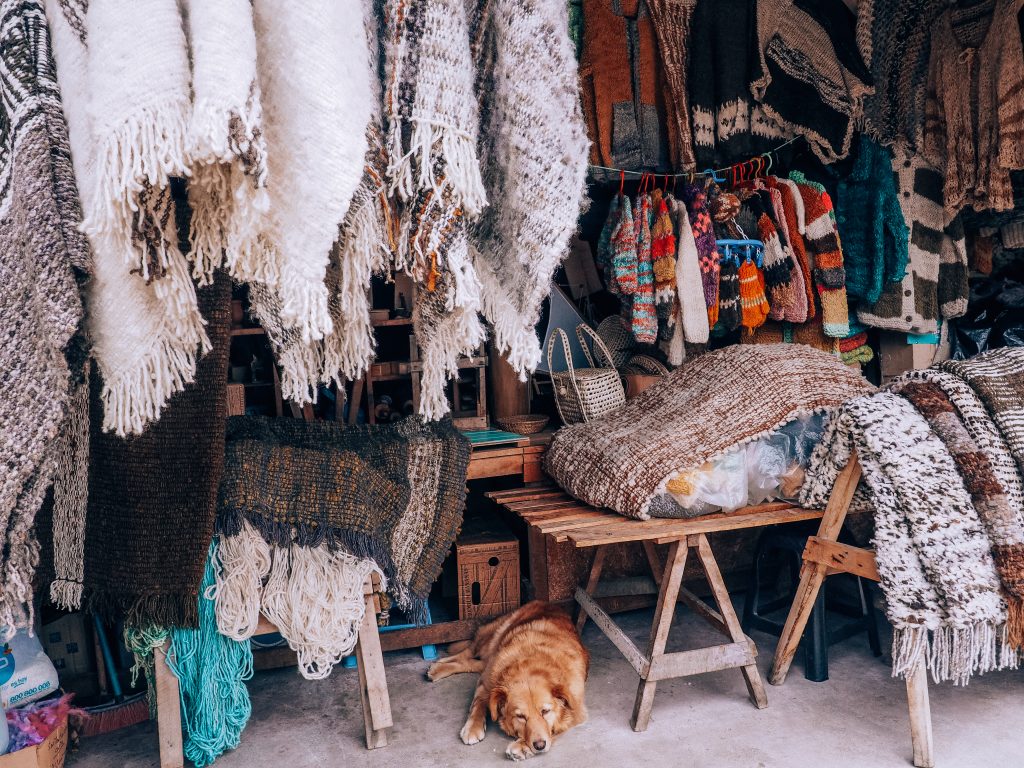
Chiloé is one of those rare places where souvenir shopping actually feels meaningful. The island has a strong tradition of handmade crafts deeply rooted in its culture and mythology, so what you find here is genuinely unique — not the mass-produced trinkets you see everywhere else.
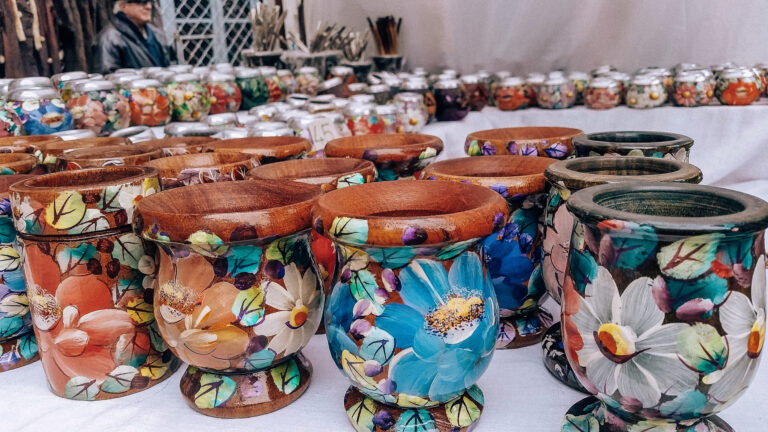
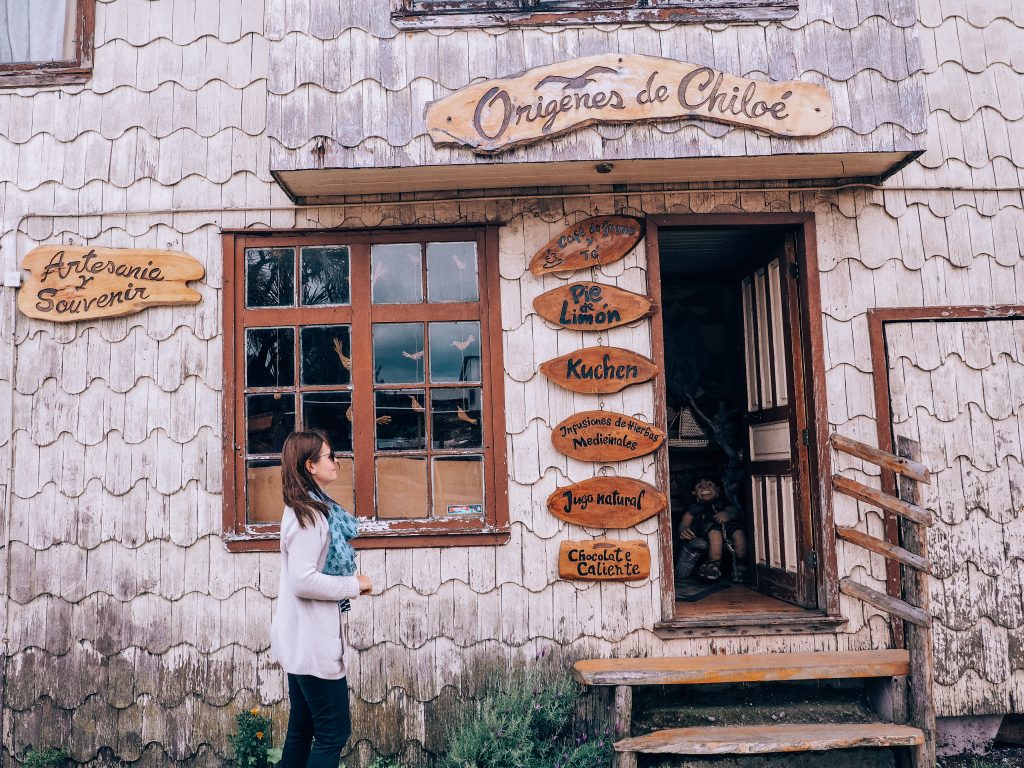
The local markets, particularly in Castro, are full of beautifully hand-woven wool items — think chunky sweaters, ponchos, blankets and hats in earthy, natural tones. They are warm, high quality and made to last, which makes them one of the best things you can buy anywhere in Chile. You will also find wooden crafts inspired by the island’s famous churches and Chilote mythology, including carvings of the trauco and other legendary creatures from local folklore.
If you enjoy food souvenirs, look out for local smoked cheeses, chicha de manzana (apple cider), and artisanal preserves. The Feria Artesanal de Castro is the best place to start — give yourself at least an hour to browse, and bring cash as not all vendors accept cards.
How to get around chiloe island
The most convenient way to explore Chiloé is by renting a car — and this is exactly what we did. It is pretty straightforward to drive around, the roads are in reasonable condition, and having your own wheels gives you the freedom to stop whenever something catches your eye, which on Chiloé happens constantly.
We rented our car in Puerto Montt since Chiloé was part of a longer road trip through Chilean Patagonia. I recommend using Discover Cars to compare both local and international rental companies and find the best deal — just make sure to check the reviews before booking.
If you would rather not drive, there are some excellent day tour options. And believe me, Chiloé has some truly amazing things to offer: whale watching, penguin colonies, guided church tours, and forest hikes are all available through organised excursions.
Where to stay in Chiloe
Stay in Castro
Chiloe is a popular holiday destination for the locals and the hotels get sold out in high season, so it is best to book an accommodation in advance. I use Booking.com for most of my bookings as their app allows me to have an easy overview of my accommodation, which is helpful for longer trips. Have a look at Turismo del Bosque (a dome-like hotel with great views), Casa del Faro (a full house- really beautiful with breathtaking views).
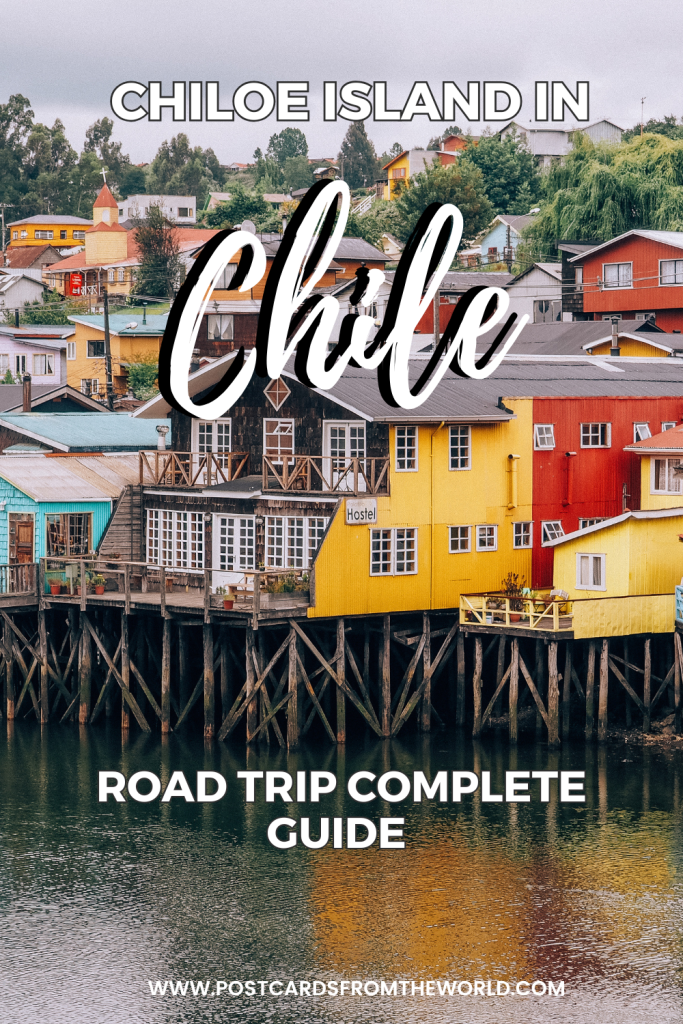
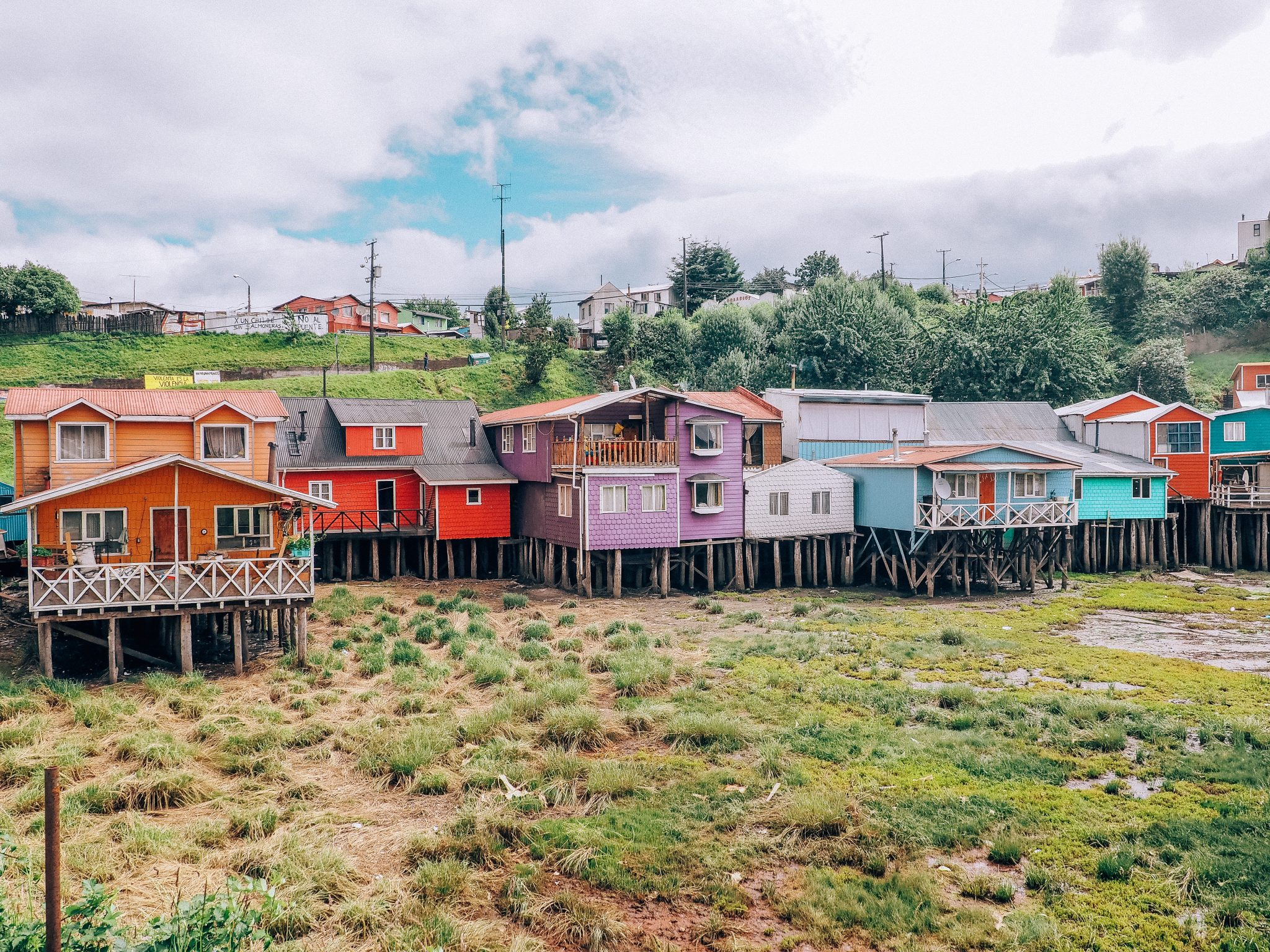
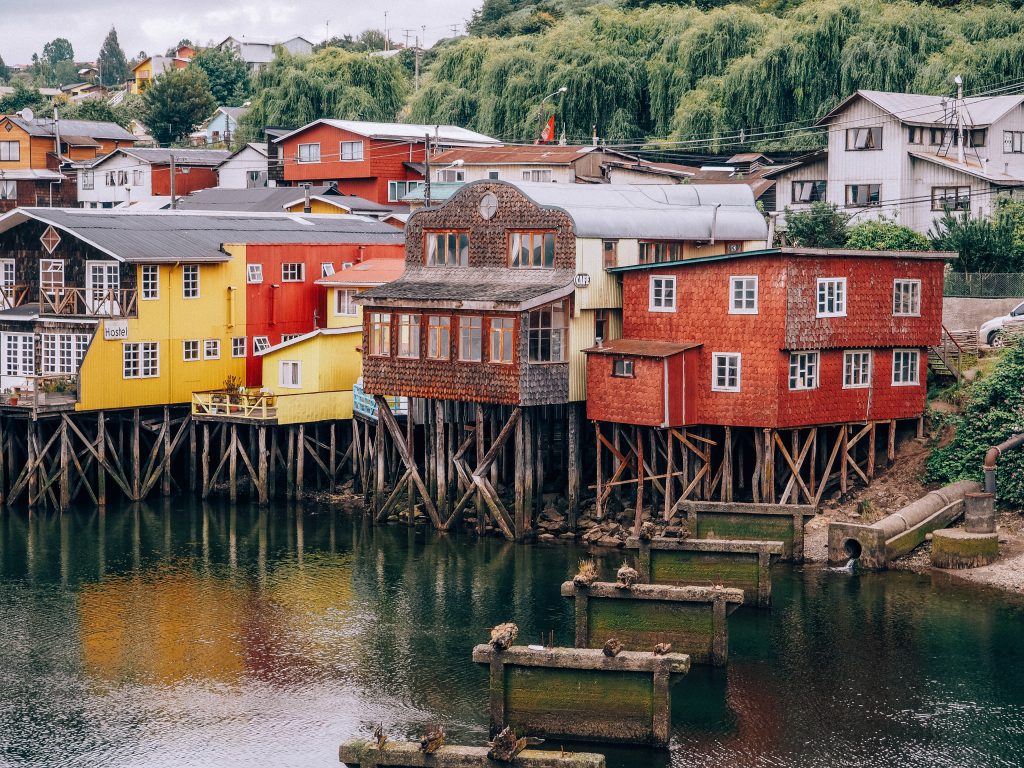
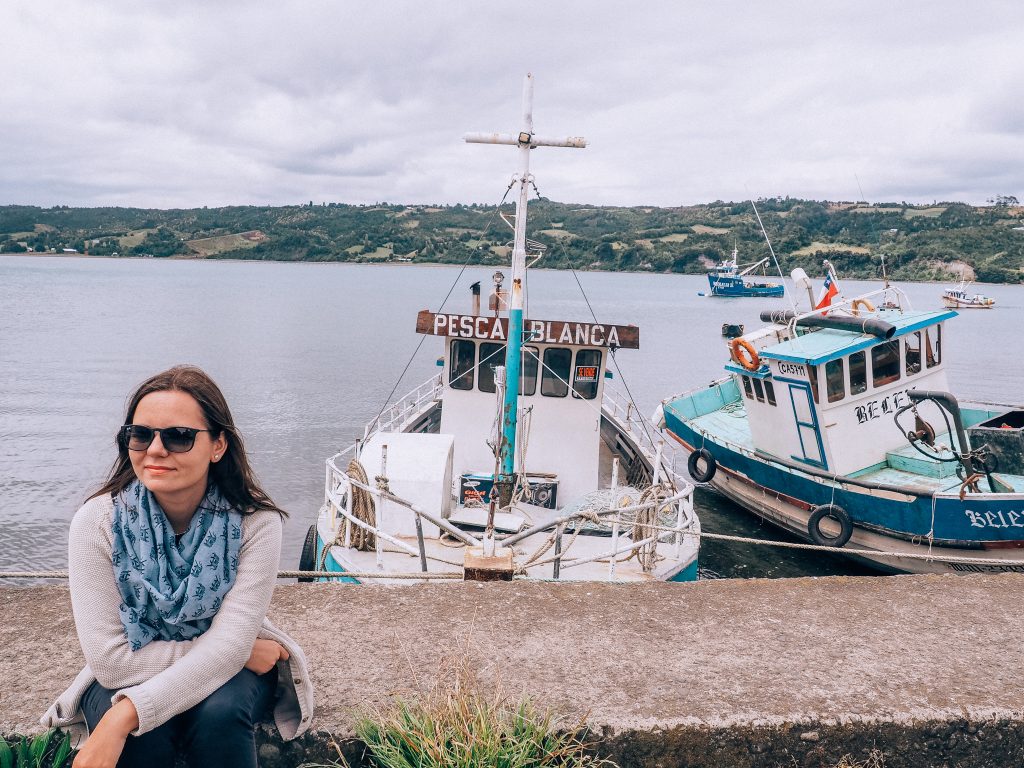
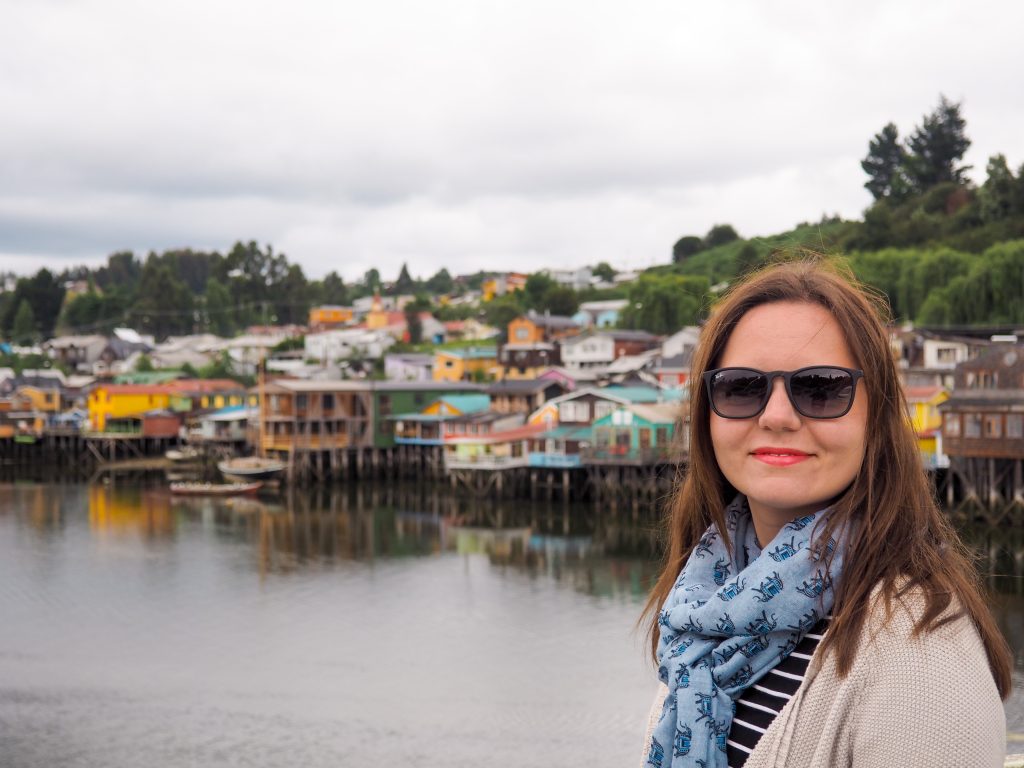
Palafitos are the typical to Chiloe wooden houses built over the water. If you’d like to stay in one, you may want to have a look at Palafito Hostel Chiloe or Palafito Azul.
Stay near Cucao If you want to be close to Muelle de las Almas and the wild west coast beaches, consider staying near Cucao. It is more remote and rustic, but waking up to that landscape makes it completely worth it.
Time to end the trip
As we happily continued the road trip around the island, hoping from village to village, we managed to take a late ferry back to the continent before spending a night in Puerto Montt. On the arrival, full of excitement to fly to Brazil the next morning, I realized that my passport got left somewhere on the island. As sad as I was for not being able to take the flight, what was the real bummer was losing a precious travel souvenir such as a passport full of stamps from all over the world. Did it ever happen to you? If so, you can imagine the pain. Read where we went instead here.
You might also like:
- Ultimate Guide to San Pedro de Atacama: Insider Tips from a Long-Term Local
- Pan de Azúcar National Park Chile: The Complete Guide to This Atacama Hidden Gem
- An ultimate guide to Geyseres del Tatio in the Atacama- a wonder at high altitude.
- How to see La Mano del Desierto- A Rising Hand in Atacama
- How to Plan the Perfect Bariloche Trip: Things to Do, Best Time to Visit & Tips
- Road trip to Lago Chungará.
- Chilean bucket list. What to see and do in Chile.
- A quick guide to Valparaiso. Chilean city painted by a rainbow.
What to Pack and Plan for Chiloé
Chiloé’s weather is notoriously unpredictable — it rains a lot, even in summer, and the mist is part of the island’s charm. Pack layers, a waterproof jacket, and comfortable walking shoes. In terms of connectivity, I use Airalo for eSIM data when travelling as it is affordable and reliable.
For travel insurance, I recommend World Nomads, which covers a wide range of activities including hiking and water-based excursions.
Thank you for visiting. So what do you think about the island? In my humble opinion, it is a place really worth visiting in South America. Have you been to Chiloé or other beautiful places in South America that surprised you? Please share some inspiration with us. Happy travels.
Book a tour in Chiloe:
Use my favourite travel resources to plan your dream trips
- Booking.comfor searching best prices on accommodation.
- AirHelp helps to get compensation for cancelled or delayed flights.
- Travel Payouts is my favourite platform for monetizing the blog.
- Discover Cars is a great website as they search both local and international car hire services, so you can choose the best deal for yourself. Make sure though, that the company has a good reputation and reviews.
- Get Your Guide is my place to go for searching and booking tours and excursions, especially when I travel solo.
- World Nomads and EKTA travel insurance. I like them because they have quite extensive coverage of different activities.
- WeGoTrip sends you audio guides to your mobile, so you can visit places while learning history and interesting facts easily and for little money.
- Go City is a perfect site for booking bucket list experiences and attractions all in one to avoid paying for multiple tickets. Easy and saves money. You can even save 50%.
- Trip Advisor– amazing for good quality recommendations.
- Skyscanner is a perfect website for searching flight routes and comparing prices.
- Airalo is my eSim choice for alternative data abroad.
Did you like the post? Pin it for later: