3 Days in Beijing for First Timers: An Honest Guide to China’s Ancient Capital
Even though most people recommended less time, I decided to spend 3 days in Beijing to explore it calmly. Beijing is not the easiest city to visit. Security checks are frequent and thorough, the language barrier is more significant than in most major tourist destinations, popular restaurants require booking weeks in advance, and getting used to the city’s payment and internet systems demands preparation before you land. None of that stopped me from loving it, and none of it should stop you from going. But unlike some capitals that are a bit more straightforward, Beijing asks something of you upfront. Get the logistics right before you arrive, and what you get in return is one of the most historically extraordinary cities on earth.
This is what I’d do with 3 days in Beijing on a first visit, based on my own trip in June. One honest note before we start: one of these three days takes you outside the city entirely, to the Great Wall at Jinshanling, around 130 kilometres away. I think you definitely should dedicate one day to exploring the Great Wall of China.
It was hot, occasionally logistically complicated, and genuinely unforgettable. With all the challenges, it still should be on your list for first timers in China.
Disclosure: Please note that this post included affiliate links, when you decide to purchase anything through these links I get a small commission at NO extra cost to you, it helps me to keep running this blog! I only promote products and services I use or would use myself. All images are the property of Postcards from the World and cannot be used without permission.
Before you arrive in beijing: the things to sort in advance
Beijing specifically rewards preparation more than most cities. Assuming that you are starting your trip with 3 days in Beijing and not other places, a few things worth doing before you land:
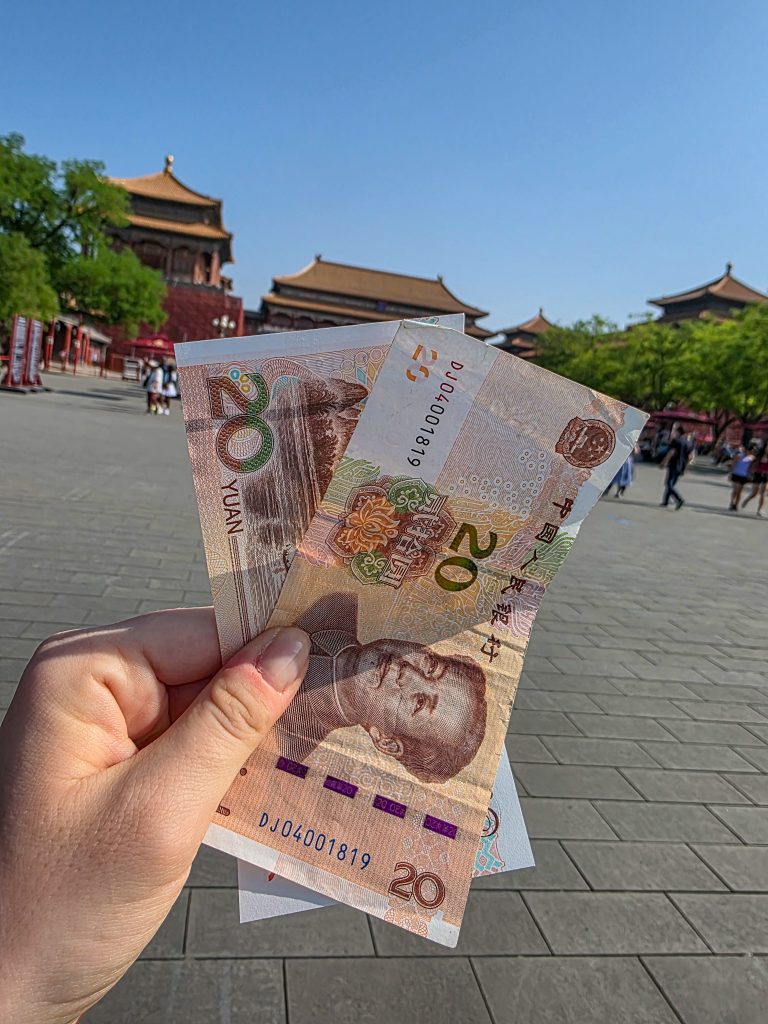
Set up Alipay with your passport and international card. You’ll need it for metro tickets, restaurants and almost everything else. Do this at home, not at the airport. Full details in my complete guide to travelling to China for the first time.
Download a VPN before landing. Google, WhatsApp and Instagram are blocked in China. I used Avast VPN and it worked reasonably well.
Book restaurants in advance, particularly for Peking duck. Popular spots fill up weeks ahead. The booking system runs through WeChat, and without a reservation you may wait three hours or more, as I did once.
Get your Forbidden City and Tiananmen Square tickets early. Both require advance booking through separate systems, and the Forbidden City sells out fast. I left it too late and had to join a group tour to get in. Full details in my dedicated Forbidden City and Tiananmen Square guide.
Getting around Beijing
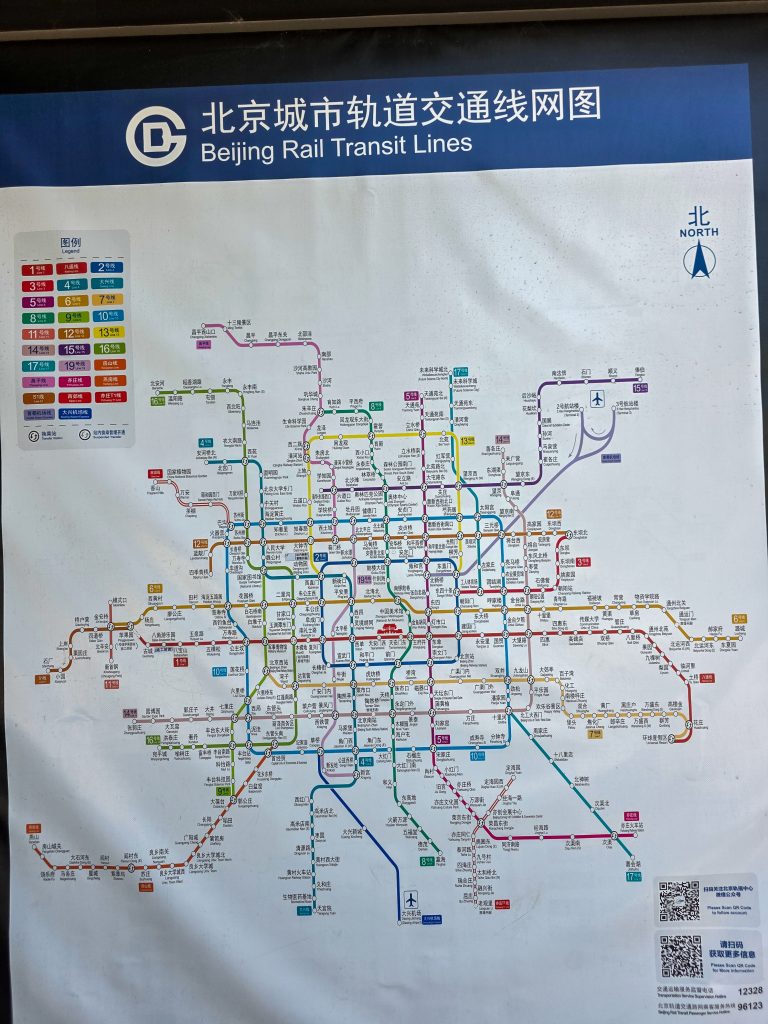
The metro is the backbone of Beijing’s transport system and covers virtually everything you’ll need on a city itinerary. It’s efficient, well-signposted in both Chinese and English, and you can use a contactless credit card directly at the turnstiles, just tap in and out, no separate card needed.
For everything else, I used Didi, China’s ride-hailing equivalent of Uber, accessible through Alipay. It’s smooth, easy and removes the navigation and language friction that comes with hailing street taxis. For the Great Wall day, transport was included in the group tour I booked through GetYourGuide.
Mostly though, Beijing rewards walking. Many of the main sights cluster within reasonable distance of each other in the historic centre, and some of the best things you’ll see happen between destinations rather than at them.
One honest warning: allow more time between sights than you think you’ll need. Security checks near major attractions, particularly Tiananmen Square, are lengthy and thorough (to the point that they explored every single old receipt I had in my bag and a lipstick). The queue alone can take 30 minutes or more, and the check itself is among the most detailed I’ve experienced anywhere. Build this into your planning.
Day 1: Tiananmen Square and the Forbidden City
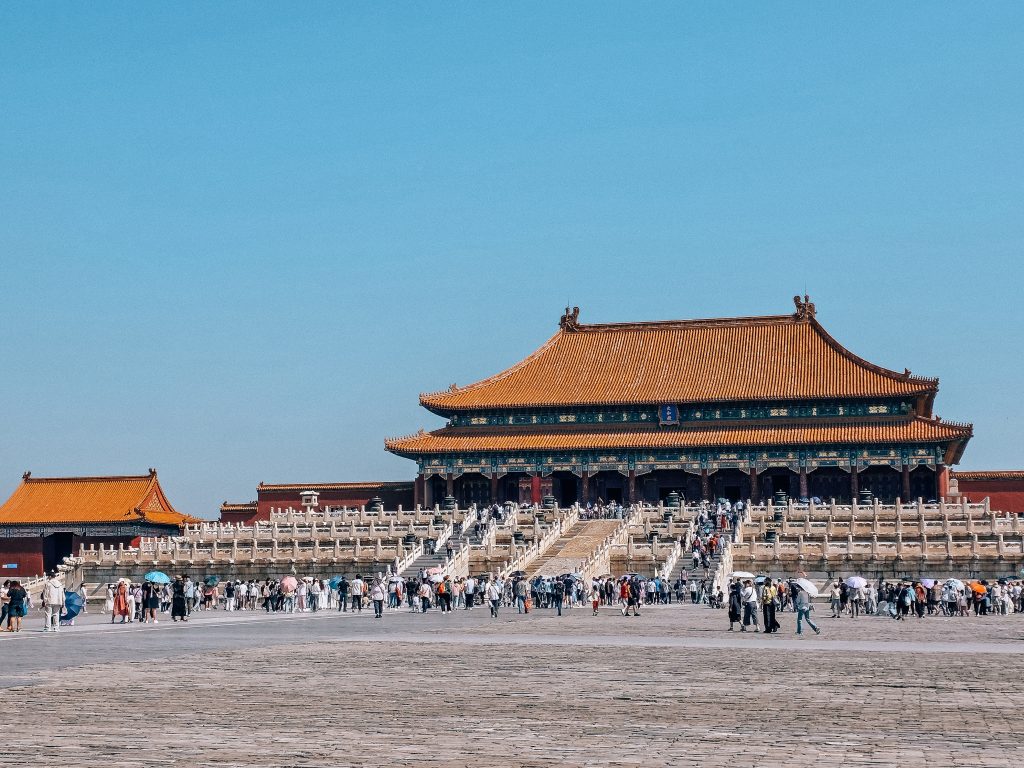
These two sights sit directly next to each other, and the logical order is Tiananmen Square first, then the Forbidden City, since once you pass through the Gate of Heavenly Peace into the palace complex, you can’t loop back.
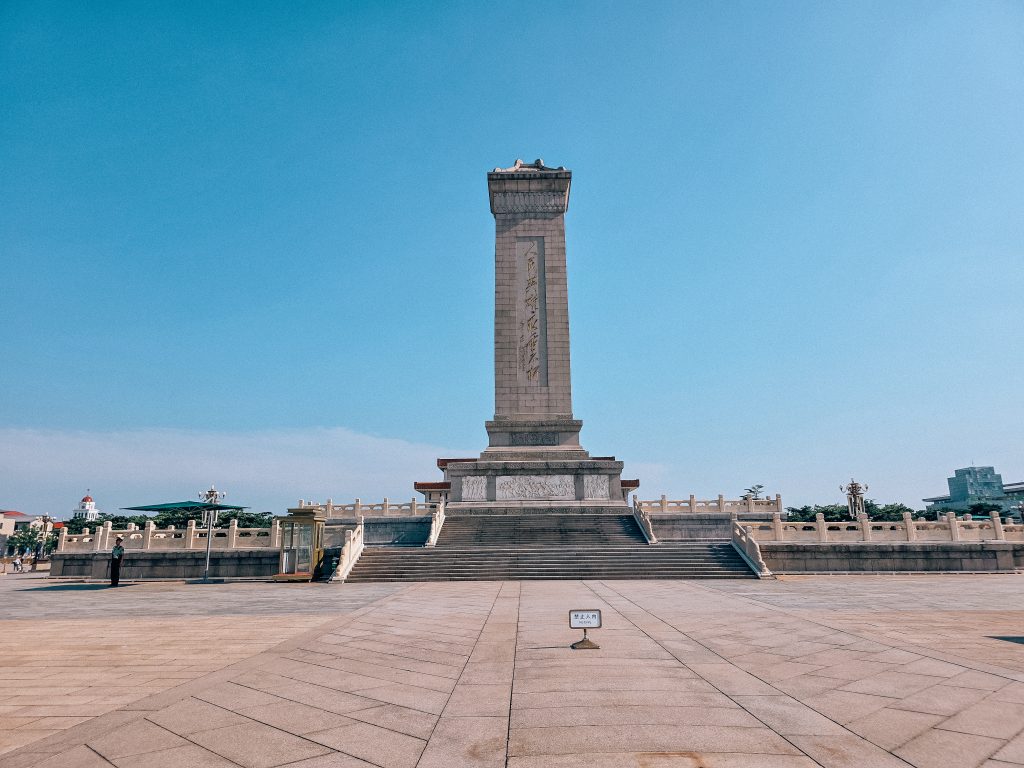
Tiananmen Square is the world’s largest public square, and standing in it gives you an immediate sense of Beijing’s scale and political weight. The flag-lowering ceremony at sunset draws crowds, so plan your timing accordingly.
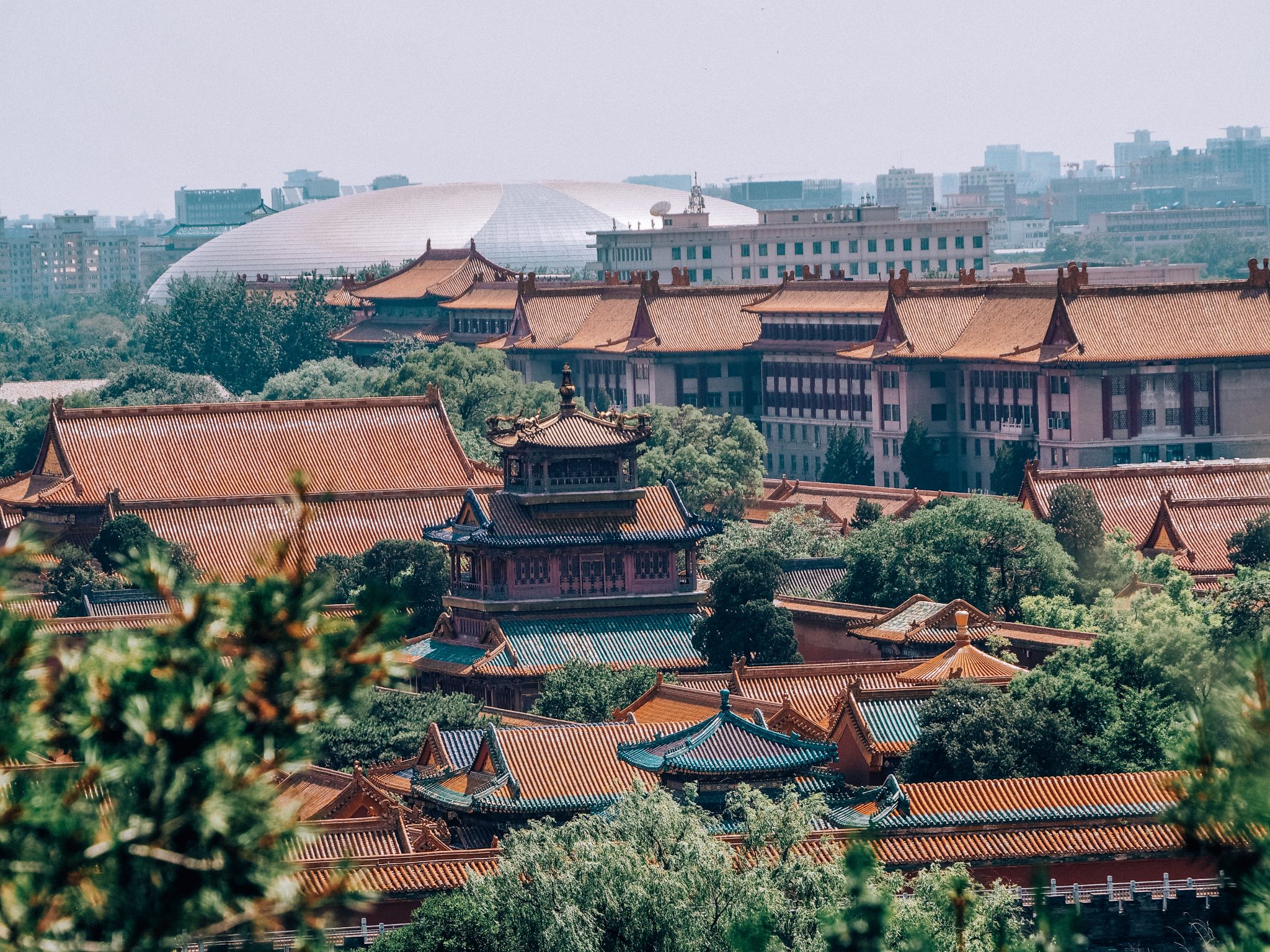
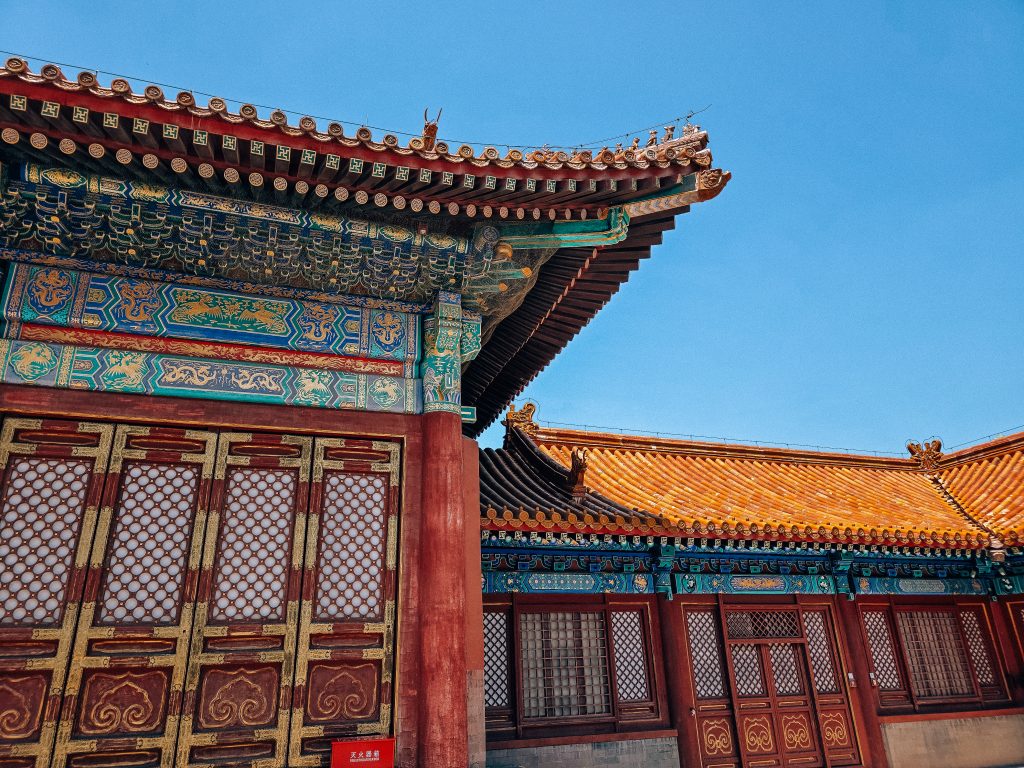
The Forbidden City is extraordinary. 980 buildings spread across 72 hectares, the imperial palace complex of 24 emperors across the Ming and Qing dynasties. Give it at least three to four hours. A guide adds real depth to what you’re seeing, since without context the buildings can blur together. If you want a guide rather than a group tour, hire one privately, it’s almost always a better experience. But if the Forbidden City sells out on you as it did for me, booking through an agent is your fallback, they keep a reserved allocation even when the official site shows nothing available.
After the Forbidden City, walk. Wander south toward Qianmen, into the surrounding hutong streets, or along the moat that encircles the palace walls. This is when Beijing starts to reveal itself beyond the main attraction.
Full logistics, queue times, security check details and timing advice are in my complete Forbidden City and Tiananmen Square guide.
Day 2: The Great Wall at Jinshanling
Do this as a full day. The Great Wall deserves it, and after it, your legs will need nothing else scheduled.
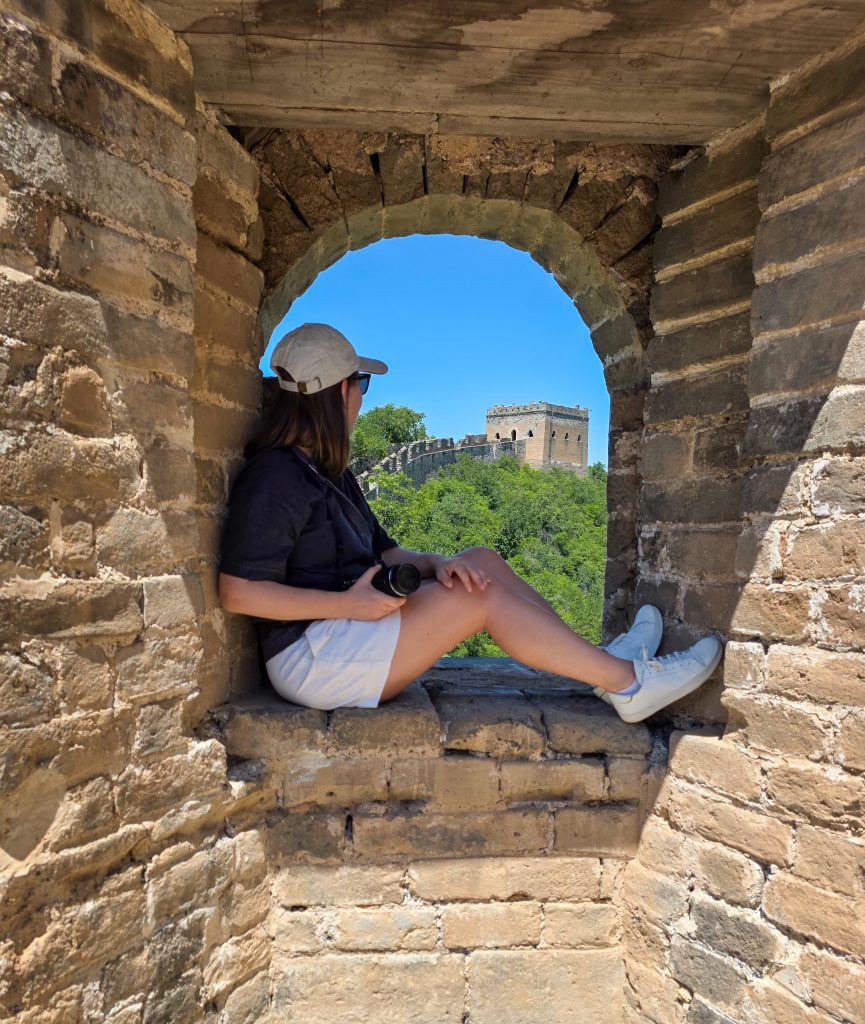
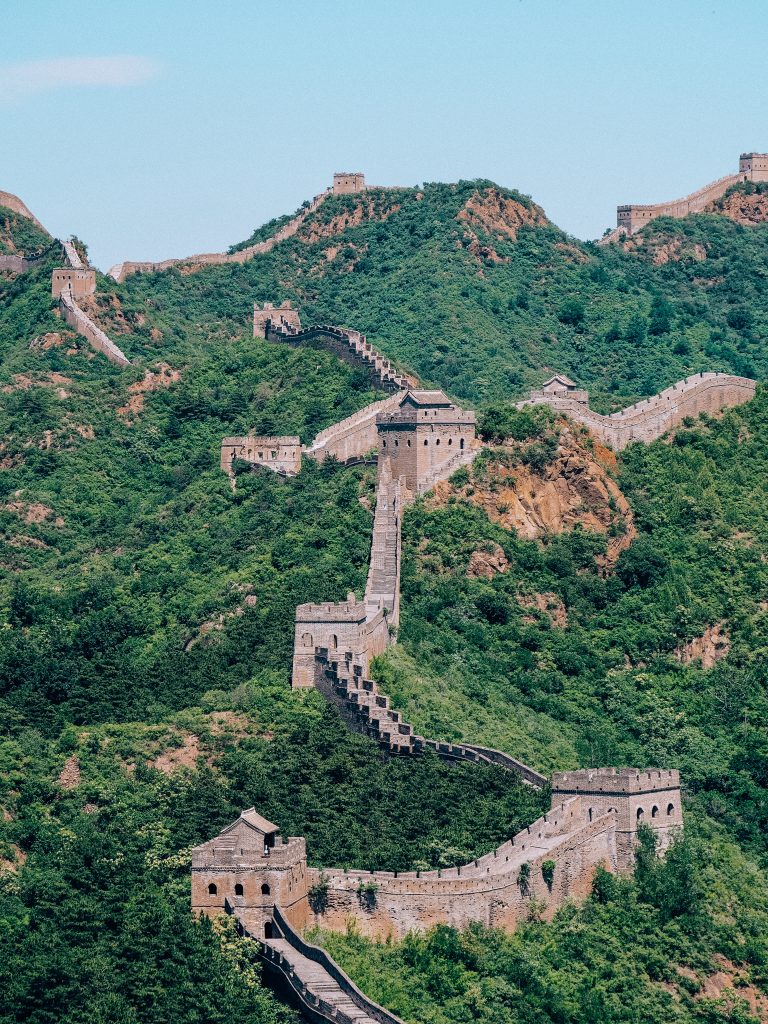
I went to Jinshanling, a section around 130 kilometres northeast of Beijing. It’s further than Badaling, which is where most first-timers end up, and that distance is exactly what makes it worth choosing. Almost no crowds, a mix of restored and wild wall, 67 watchtowers, and views stretching across mountain ridges in both directions.
I booked through GetYourGuide, which included transport from Beijing and a guide. Given the distance and the limited public transport options, joining a small group tour is the right call here.
The hike is physically demanding. The initial climb to the wall takes around 40 minutes on steep, uneven stone steps, and the walk on the wall itself runs approximately 3 hours with significant elevation changes. My legs were genuinely weak by the end. Still completely worth it.
A cable car (索道) near Small Jinshan Tower offers an exit option for anyone whose legs give out mid-hike. Knowing it existed made the commitment feel less daunting.
Full details, including what to bring, timing advice, and the memorable old lady with her watchtower shop, are in my hiking the Great Wall at Jinshanling post.
Day 3: Temple of Heaven, hutongs, and eating well
Temple of Heaven (Tiantan Park) is one of Beijing’s most beautiful complexes, where emperors once came to pray for good harvests. The Hall of Prayer for Good Harvests is the iconic circular structure you’ll recognise immediately. The surrounding park is large and genuinely pleasant to walk through; go in the morning when locals use it for tai chi, ballroom dancing, and daily exercise, one of those quietly extraordinary slices of everyday Beijing life.
The hutong alleyways are the traditional narrow streets of old Beijing, most densely concentrated around the Drum Tower, Bell Tower and Nanluoguxiang areas. Wandering through them on foot, stopping for tea or a coffee, is one of the best ways to see a side of Beijing that hasn’t been absorbed into the modern city. Some hutong areas have become touristy, particularly Nanluoguxiang itself, but the streets immediately adjacent are worth exploring without a plan.
See also:
- Where to Stay in Busan: The Best Neighbourhoods for a Short Trip
- Where to Stay in Seoul for First Time: Best Neighborhoods and Hotels for Every Style
- 10 Days in South Korea in Spring: The Complete First-Timer’s Itinerary
- 10 cool photo spots in Hong Kong: a perfect place for travellers and photographers
- 1 day in Macau: what to see and how to get there from Hong Kong
- Visiting the Forbidden City and Tiananmen Square in beijing: Everything You Need to Know
- Travelling to China for the First Time: Why Beijing and Shanghai Should Be on Your List
- Hiking the Great Wall at Jinshanling: Why I Chose the Crowd-Free Section (And What to Expect)
- 4 Days in Shanghai: The City That Surprised Me More Than Beijing
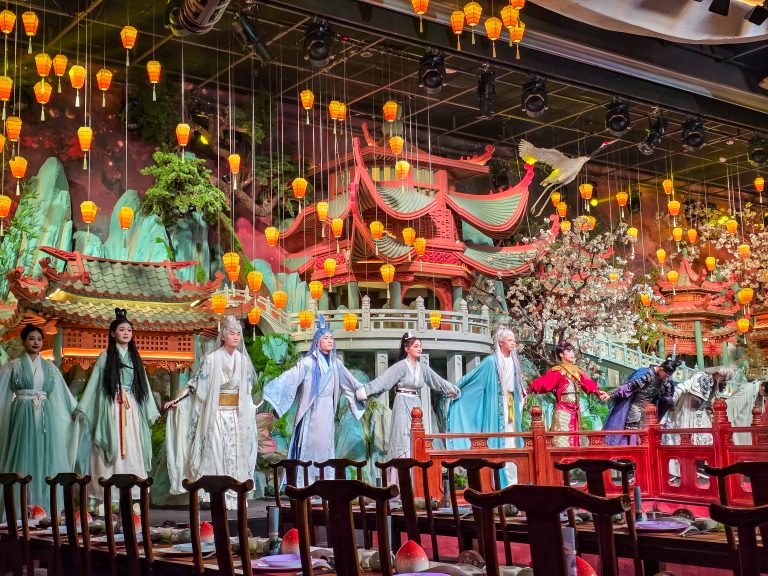
- Xuyan Shanghai Immersive Tang Dynasty Banquet Review: The Most Unforgettable Evening in China
Eating in Beijing: a cultural experience in itself
Food in Beijing is excellent, and I’d argue it deserves as much planning attention as the sights. This is not a city where you can simply walk into the nearest restaurant and eat well without thinking about it. The best places require advance booking and reward research.
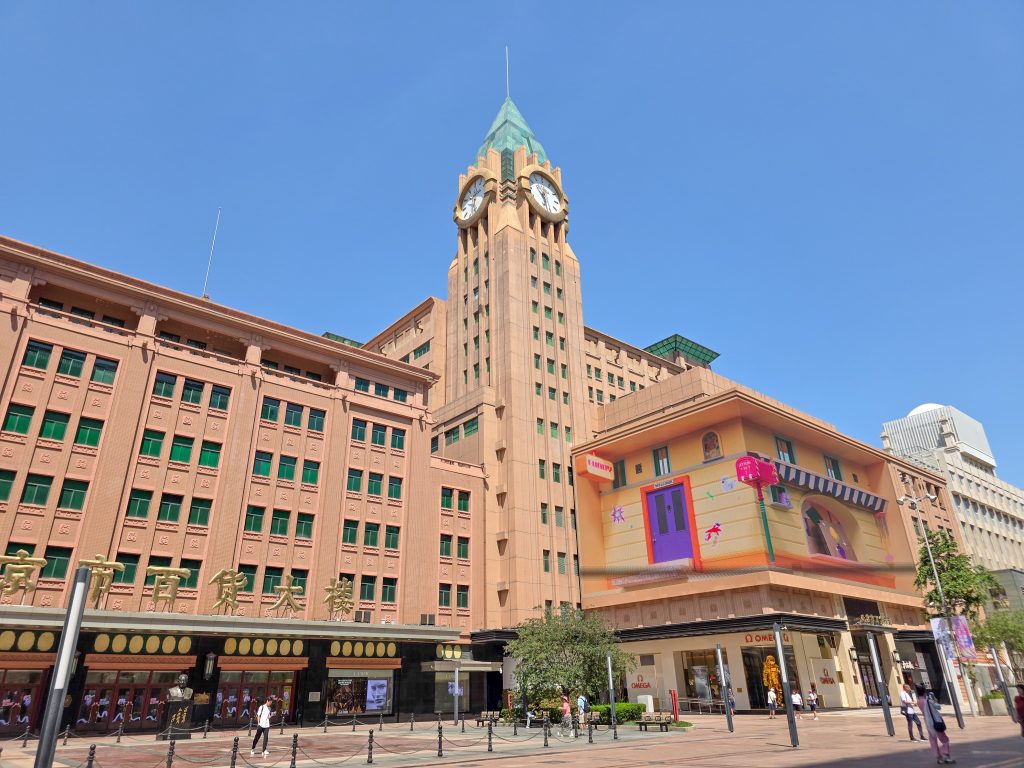
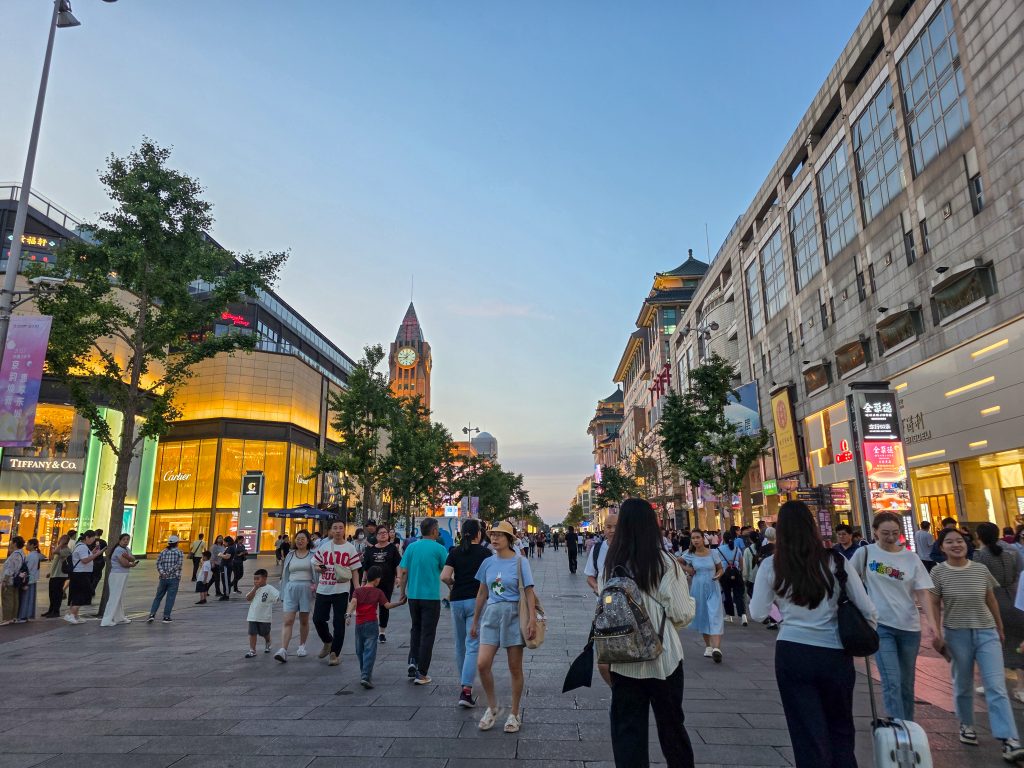
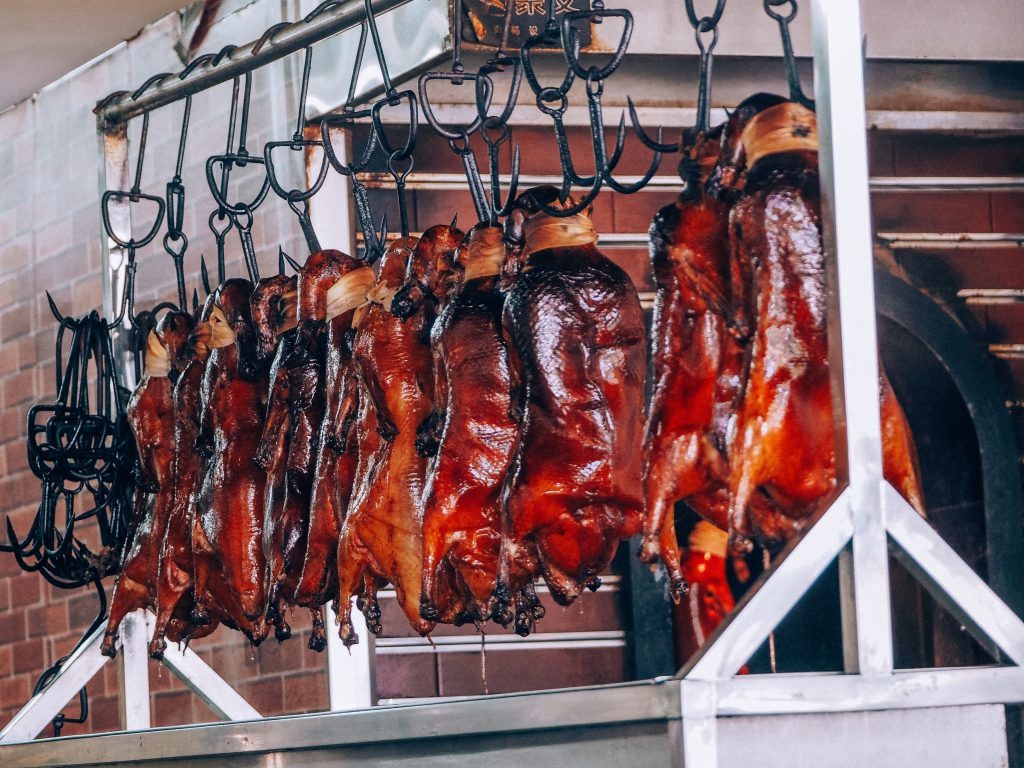
Peking duck is non-negotiable. I ate it near my hotel in Wangfujing, where two of the most famous duck restaurants in Beijing are within easy walking distance of each other: Siji Minfu (Wangfujing branch) and Quanjude (Wangfujing branch on Shuaifuyuan Hutong). Both are well-known, well-reviewed, and genuinely excellent. Getting a table at either without booking is possible, but you may wait. I booked in advance and would strongly recommend doing the same.
The experience of eating Peking duck properly, crispy skin wrapped in thin pancakes with scallions, cucumber and sweet bean sauce, is one of those meals that stays with you. The gap between what you’ve eaten before and the real thing in Beijing is real.
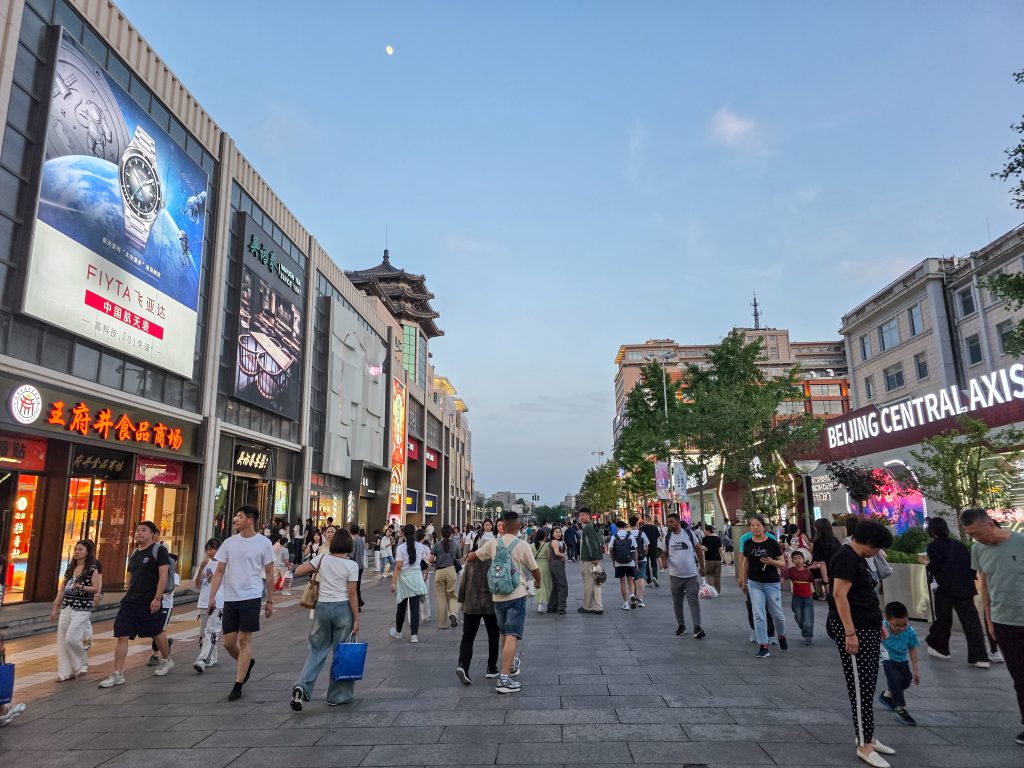
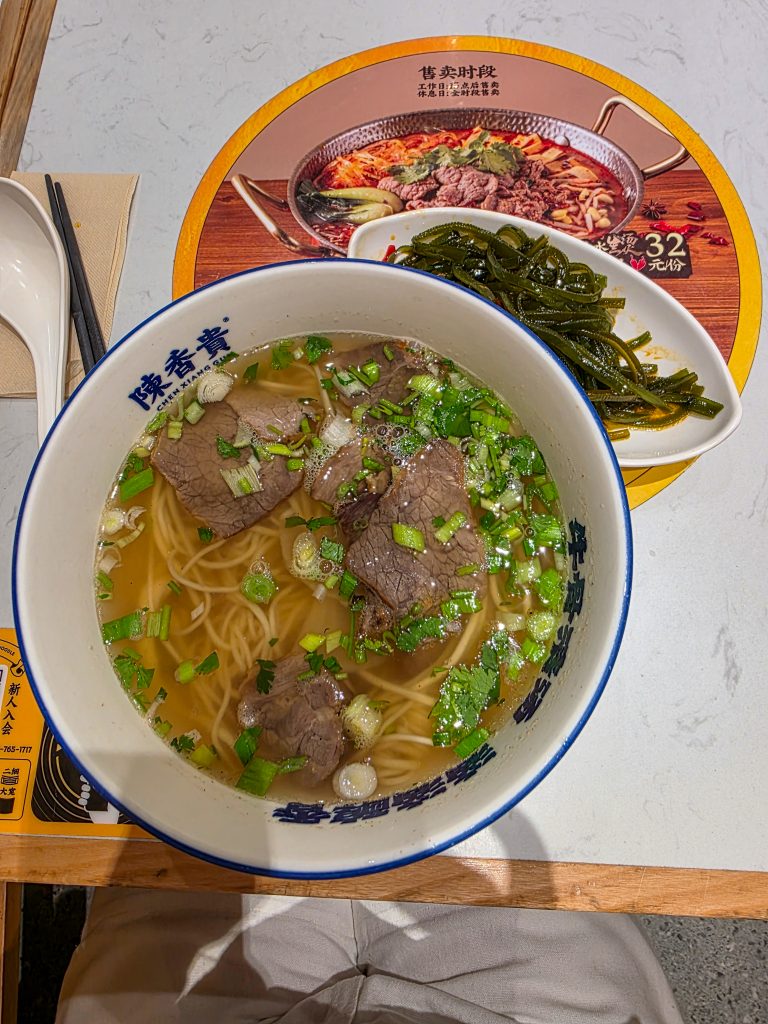
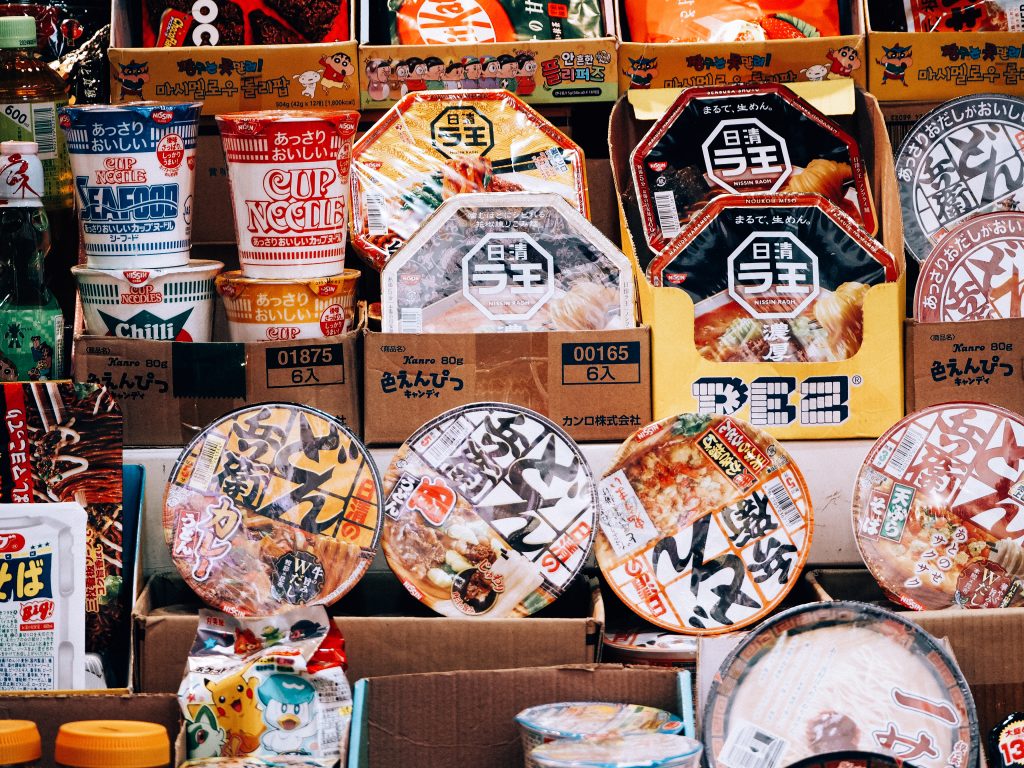
Beyond duck, Beijing street food and local snacks deserve time too. Wangfujing Snack Street is the obvious tourist-facing option, good for atmosphere and a few bites, but the hutong areas around Nanluoguxiang and the streets near the Drum Tower have more local options worth seeking out.
One thing worth knowing before you start researching restaurants: Google reviews are largely useless for China. Most Chinese restaurants don’t have a Google presence at all, and the ones that do are reviewed almost exclusively by tourists, which tells you very little about actual quality.
The platform locals use is Dianping (大众点评), China’s equivalent of Yelp and TripAdvisor, where real diners leave detailed reviews, photos of every dish, and honest ratings. It’s available as a standalone app and also as a WeChat mini-program, which makes it accessible without downloading anything extra. The interface is primarily in Chinese, but a translation function is built in and there’s now a partial English mode too.
The practical advice: look for restaurants with at least 100 photo reviews (fake reviews rarely include real food photos) and a rating of 4.2 or above. Anything under 4.0 in Chinese review culture is genuinely poor, since Chinese diners rate much more critically than Western ones. A 4.5 on Dianping means something. A 4.5 on Google in China means almost nothing. Your hotel concierge can also search Dianping on your behalf and even join the digital queue for popular restaurants before you leave the hotel, which is worth asking about specifically in Beijing where the best places fill up fast.
A note on wearing traditional clothing
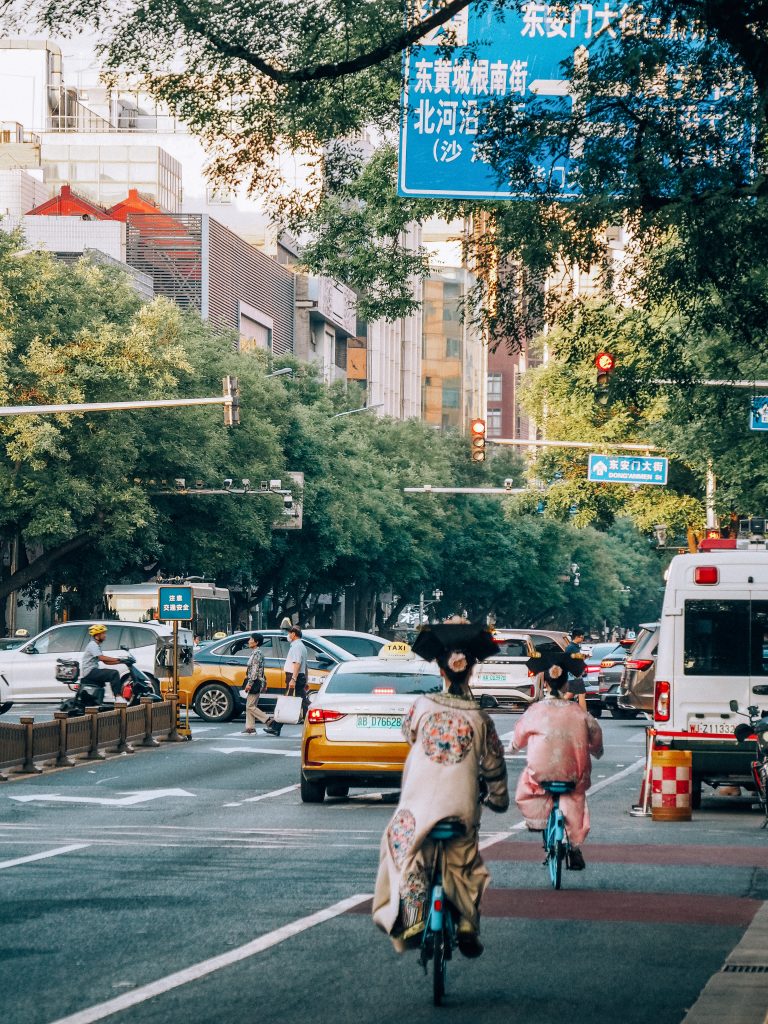
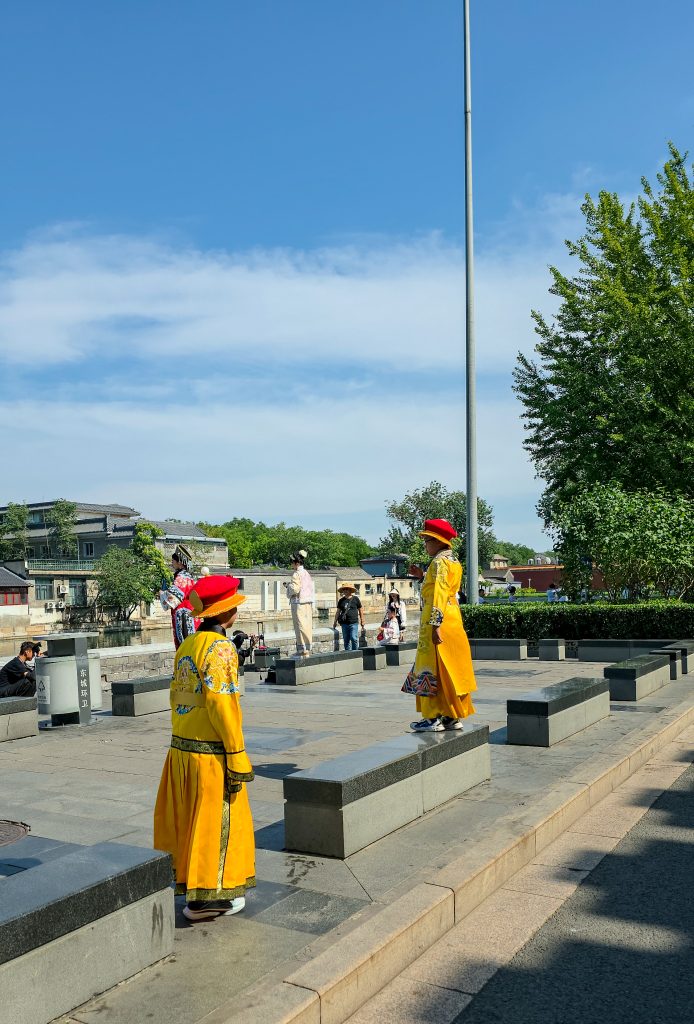
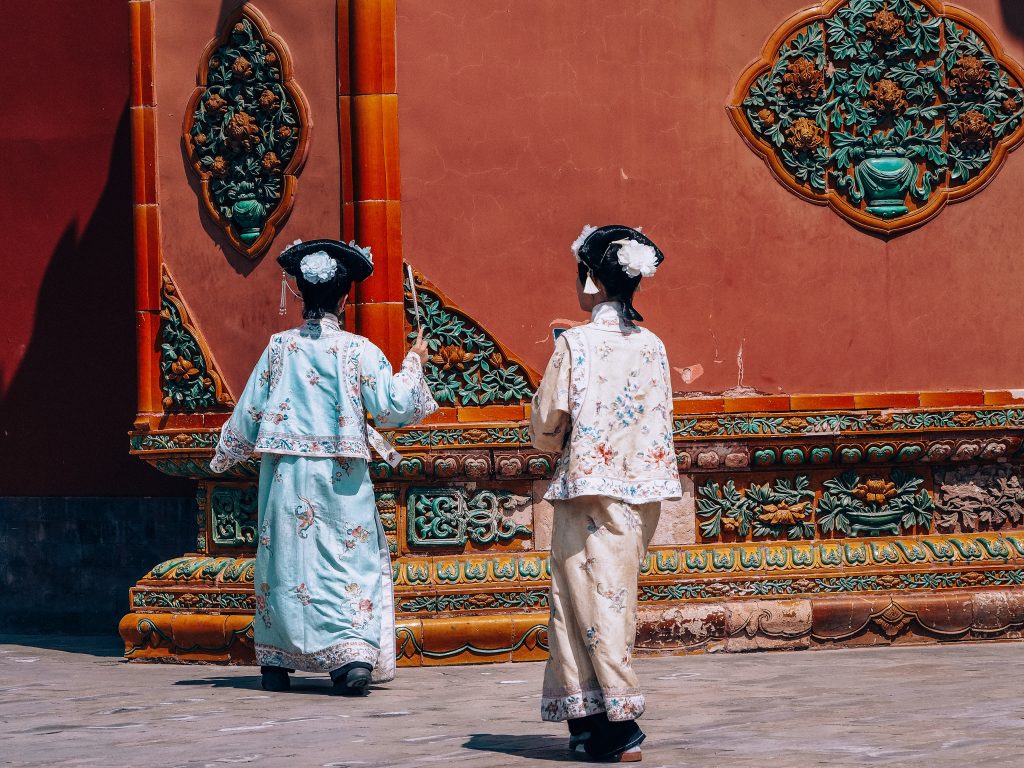
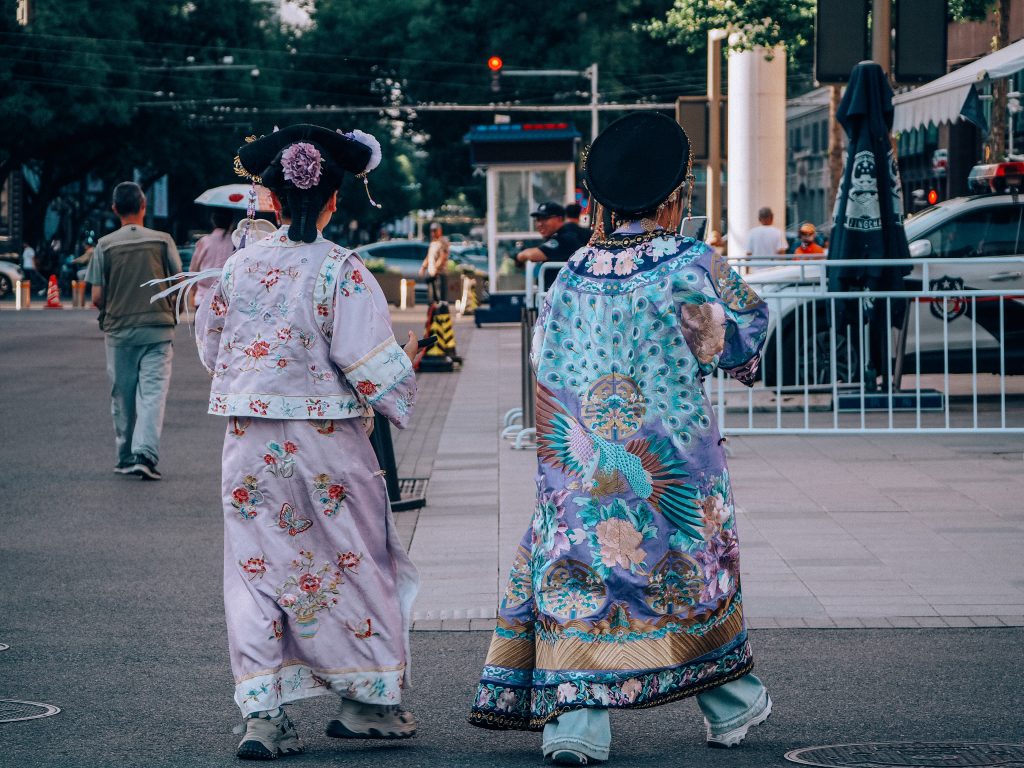
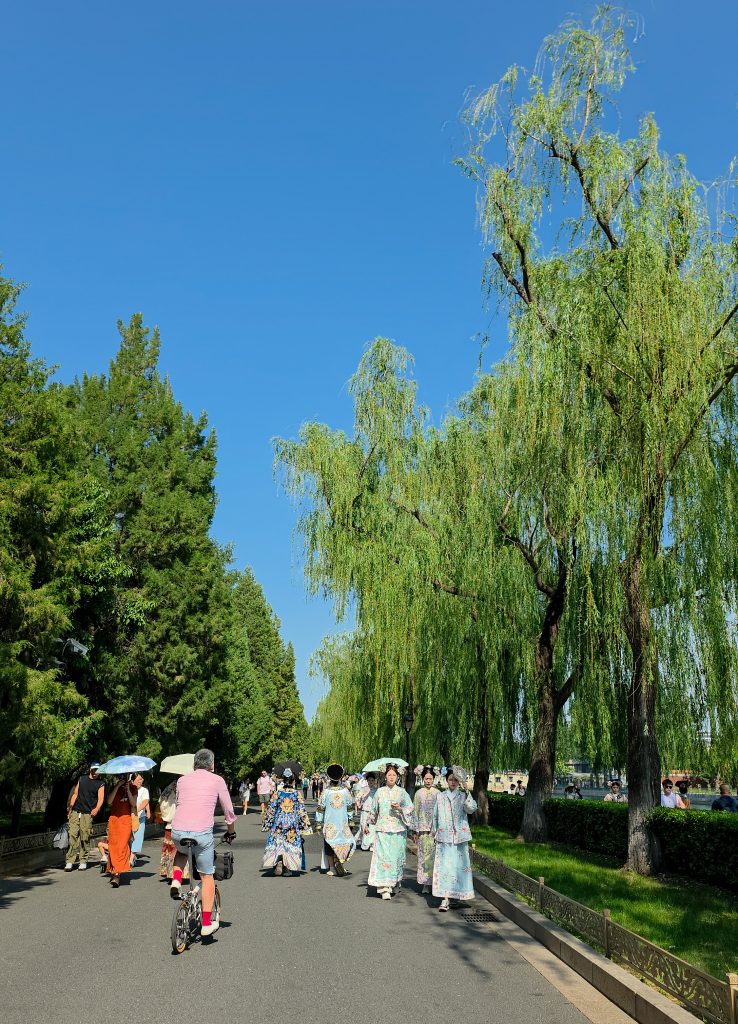
Around the Forbidden City you’ll see many visitors wearing traditional hanfu or qipao robes to take photographs. Rental shops are concentrated near the palace entrance and in the surrounding hutong streets, and the combination of traditional clothing with that backdrop makes for genuinely striking pictures.
I didn’t rent in Beijing, partly because it was very hot in June, and partly because I was travelling alone, and getting good photographs in traditional clothing without a companion or a hired photographer is genuinely difficult (although I later rented a traditional clothing in Shanghai for dinner). When I travel with my husband I love doing this kind of thing, and I did something similar in Seoul, which was one of the highlights of that trip. If you’re visiting with someone, this is worth considering. You can book your traditional clothing rental and a photographer here (it is quite affordable).
Where to stay
Stay centrally, close to the Forbidden City and Wangfujing, and you’ll be within easy walking distance of Day 1’s sights and straightforward metro access for everything else. That’s where I based myself, at Sunworld Dynasty Hotel Wangfujing, and the location proved its worth every day. Wangfujing pedestrian street is outside the front door, the Forbidden City is roughly 15 minutes on foot, Tiananmen Square around 20, and metro access is easy from here. It’s a large, reliable five-star with comfortable rooms, a solid breakfast buffet covering both Chinese and Western options, and a restaurant serving Peking duck and Northern Chinese cuisine on-site. Practical rather than design-forward, but it does exactly what you need it to do. Worth checking current status before booking, as reviews from late 2025 mentioned lobby renovations in progress.
For something more luxury-focused, The Peninsula Beijing, steps from the Forbidden City on Goldfish Lane, remains the benchmark for high-end Beijing hospitality, with the Huang Ting restaurant serving exceptional Cantonese cuisine. For a more culturally immersive experience, NUO Hotel draws on Ming Dynasty artisanship throughout its interiors, with a Michelin-recognised restaurant on-site.
An honest verdict on Beijing
Beijing is a must on any first trip to China, and a genuinely unmissable stop if you’re visiting the country for many reasons. But it is not the most effortless city. The security checks, the payment logistics, the language gap, the booking systems, the sheer physical demand of the Great Wall day – Beijing asks you to work for it.
What you get in return is history at a scale that’s difficult to comprehend until you’re standing in the middle of it. The Forbidden City, the wall stretching across mountain ridges with almost nobody else in sight, the hutong alleyways barely changed in a century, the best Peking duck you’ll ever eat, none of it is replicated anywhere else.
I loved it, and I’d go back, mostly for the Great Wall in a different season. June was hot and I’d want autumn for the foliage. But even in June, with weak legs and a three-hour wait for duck, it was worth every day of annual leave.
Use my favourite travel resources to plan your dream trips
- Booking.com for searching best prices on accommodation.
- AirHelp helps to get compensation for cancelled or delayed flights.
- Travel Payouts is my favourite platform for monetizing the blog.
- Discover Cars is a great website as they search both local and international car hire services, so you can choose the best deal for yourself. Make sure though, that the company has a good reputation and reviews.
- Get Your Guide is my place to go for searching and booking tours and excursions, especially when I travel solo.
- World Nomads and EKTA travel insurance. I like them because they have quite extensive coverage of different activities.
- WeGoTrip sends you audio guides to your mobile, so you can visit places while learning history and interesting facts easily and for little money.
- Go City is a perfect site for booking bucket list experiences and attractions all in one to avoid paying for multiple tickets. Easy and saves money. You can even save 50%.
- Trip Advisor– amazing for good quality recommendations.
- Skyscanner is a perfect website for searching flight routes and comparing prices.
- Airalo is my eSim choice for alternative data abroad.
Did you like the post? Pin it for later: