Ultimate Guide to San Pedro de Atacama: Insider Tips from a Long-Term Local
This guide to San Pedro de Atacama is not put together from a weekend visit or a quick Google search — it comes from nearly four years of living in Chile’s Atacama Desert, exploring this tiny town repeatedly, and learning it the way only time and curiosity allow.
San Pedro is unlike anywhere else on earth: salt flats that stretch to the horizon, geysers that erupt at dawn, nights so clear they make you feel like the sky is performing just for you. But beyond the landscapes, there is a quieter, richer side to this place — local culture, ancient history, and a pace of life that slows you down in the best possible way. If you are trying to figure out where to go, what to skip, and how to get the most out of limited time here, you are in the right place.

Please note that this post included affiliate links, when you decide to purchase anything through these links I get a small commission at NO extra cost to you, it helps me to keep running this blog! I only promote products and services I use or would use myself. All images are the property of Postcards from the World and cannot be used without permission.
An ultimate guide to San Pedro de Atacama
Atacama is the driest desert on Earth with only 1 to 3 mm of rain per year (although it rained twice last year and flooded many towns, but let’s follow the statistics). In the middle of this land…well, actually in the middle of nowhere, there is a little village of San Pedro de Atacama.
San Pedro de Atacama is the most popular destination for anyone who dreams of exploring the desert of Chile. Although there is so many places worth visiting in Atacama region, San Pedro is flooded by crowds of tourists from all over the world. As it is known, distances in South America are huge and you can drive for hours and not see anybody. San Pedro de Atacama is surrounded by many wonderful landscapes easy to reach.
I lived in Atacama for over two years and San Pedro was one of the weekend escapes. I’ve been there a few times and each time something new could be discovered. I am sure you’ll find something for yourself.
If you’d like to save this post for later to be able to use it offline (the internet there can be tricky), you can now do so by entering this page of GPSmycity.
What to see and do in San Pedro de Atacama
With nearly four years of living in the Atacama region, I can tell you that San Pedro rewards those who plan well. The highlights below are not just the most visited — they are the ones genuinely worth your time, ranked by experience rather than popularity.
Geyseres del Tatio: worth every early morning
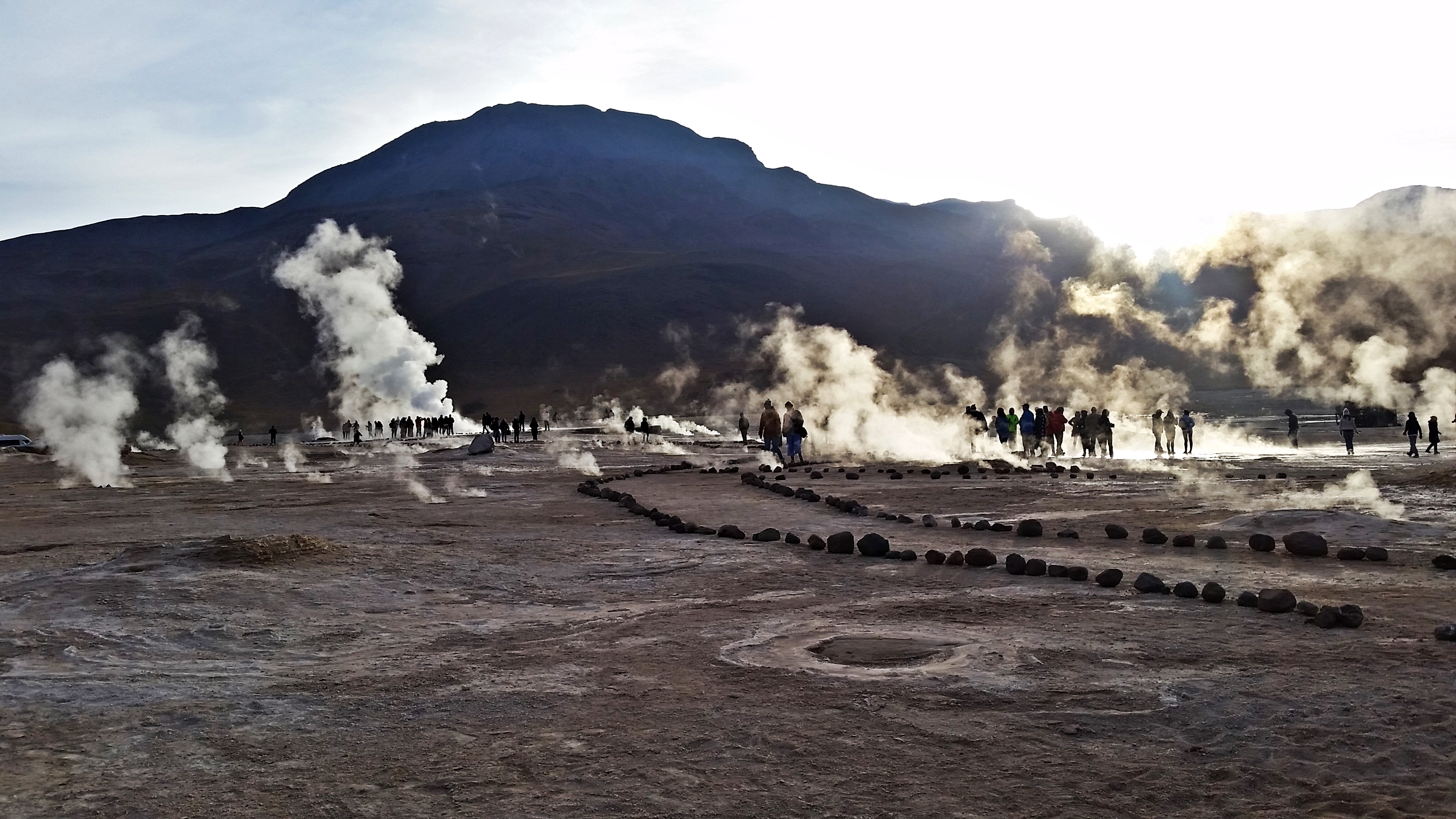
At over 4,000 metres above sea level, El Tatio is one of the highest geyser fields in the world and one of the most spectacular things you will ever see at sunrise. The drive from San Pedro takes around 90 minutes on a rough, unpaved road that includes crossing a small river — no bridge, just commitment. If you are not up for driving yourself, organised tours leave from San Pedro every morning around 4:30am and handle everything for you.
To be fair, even though we had our own, sturdy car and were used to Chilean roads, this was a difficult drive, especially the part that requires crossing a stream in darkness. While there are other cars at this time (tours), it might be better to join a tour and have peace of mind, unless you want adventure. This tour has great reviews, if you’d like to check.
It is brutally cold when you arrive (temperatures can drop as low as -20°C), but you can warm up in a natural hot water pool right on site, which is an experience in itself. The geysers are most active at sunrise, so timing matters. Do not arrive late and expect the same show.
Important: The altitude affects people differently. If you have just arrived in San Pedro, consider spending a day acclimatising before making this trip. Read my tips on surviving high altitude sickness before you go.
Practical tips:
- Book your tour in advance in high season as spots fill quickly
- Bring multiple warm layers — more than you think you need
- Carry cash for the entrance fee
- Listen to guides and stay away from the geysers, they can severely burn you
See also:
- Getting high? 8 tips how to survive high altitude sickness.
- An ultimate guide to Geyseres del Tatio in the Atacama- a wonder at high altitude.
- 12 cool things to do in Atacama.
- A road trip around Chiloé island in Chile: charming churches, whales and more.
- Caleta Buena. In search for penguins and discovering hidden gems of Chile.
- A quick guide to Valparaiso. Chilean city painted by a rainbow.
- So you say you speak Spanish? A little guide to speaking Chilean language.
- Street art in Antofagasta, the capital of the Atacama desert
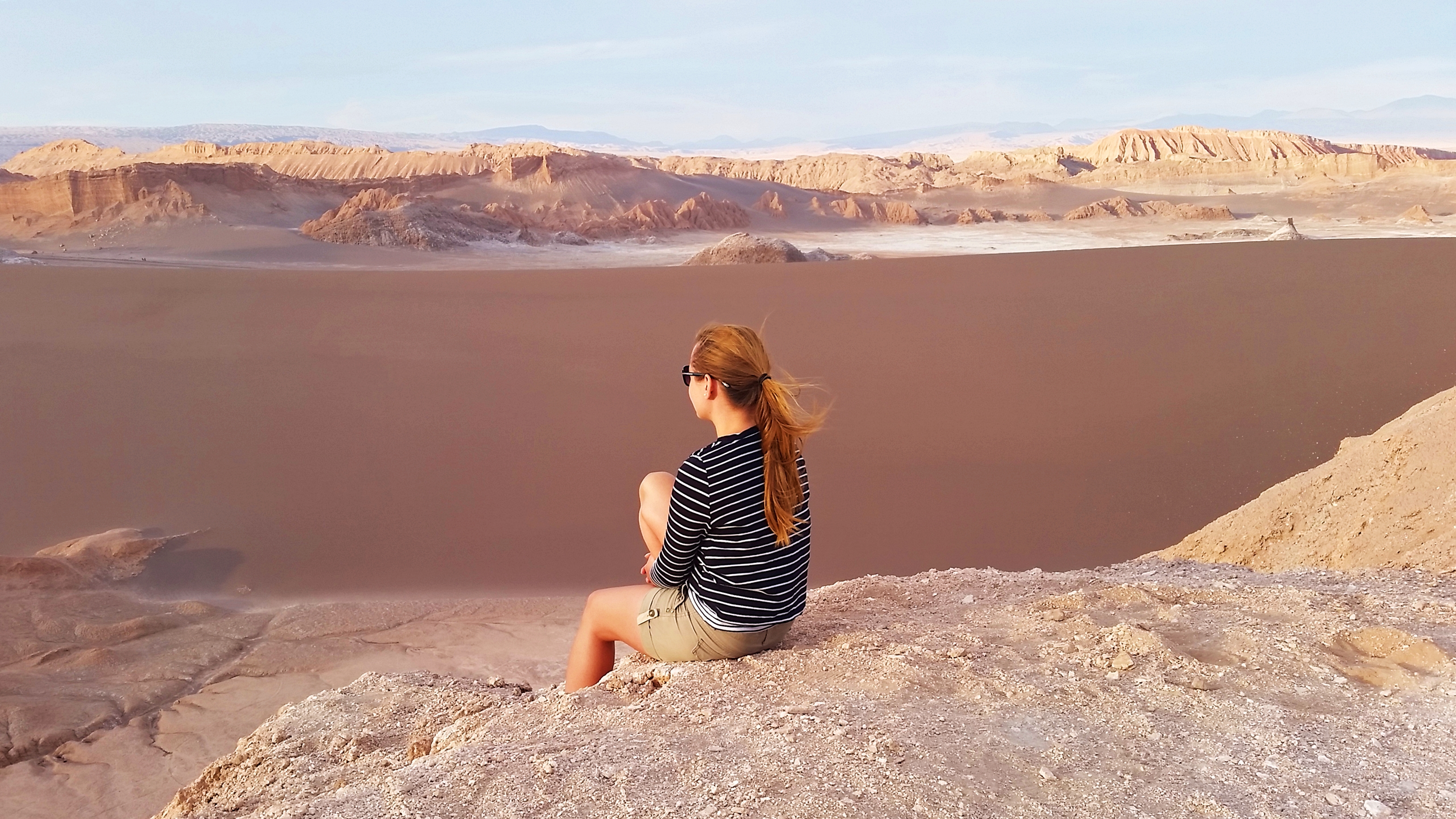
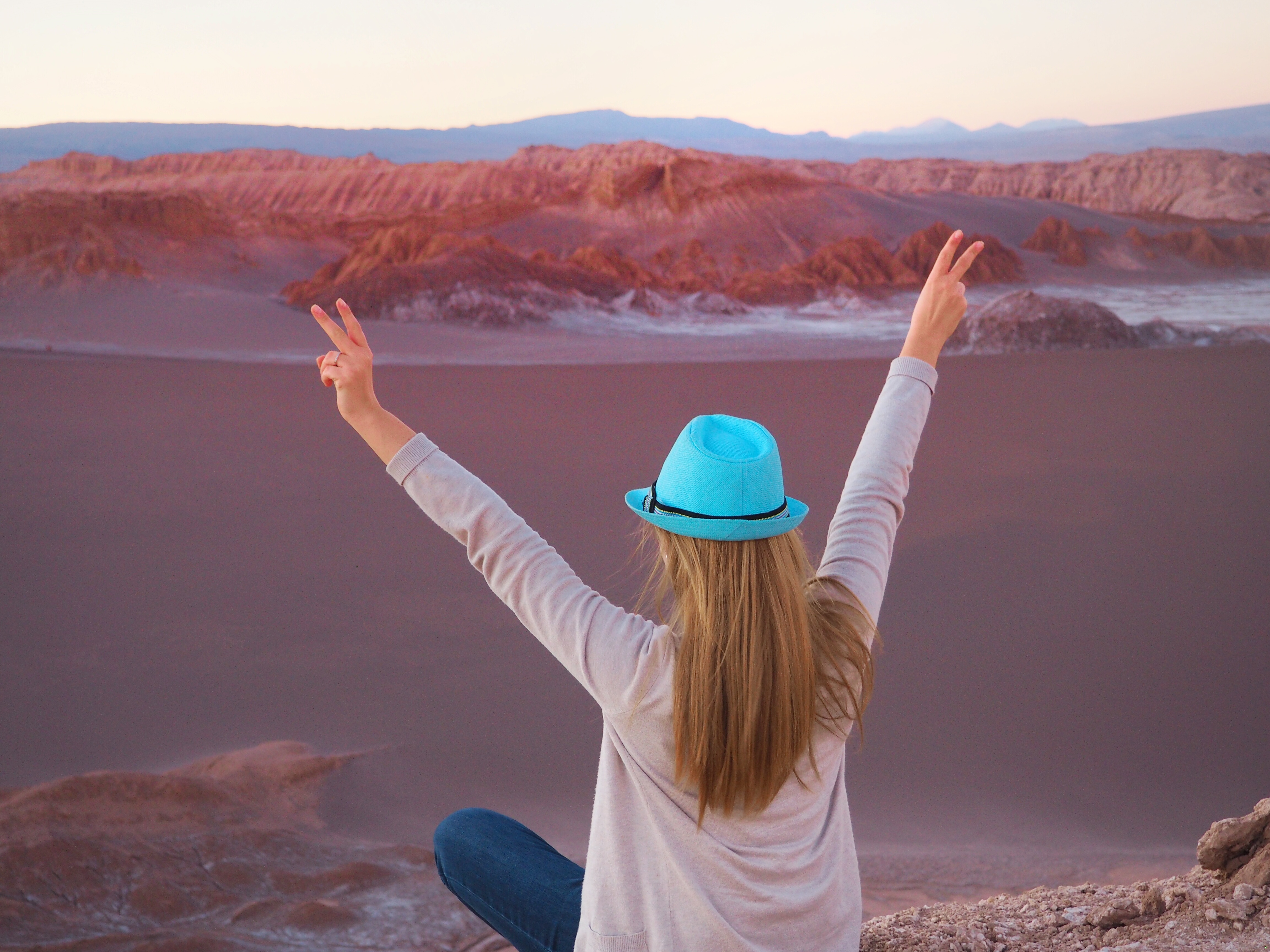
See the sunset in Valle de la Luna (Moon Valley): go for sunset, not midday
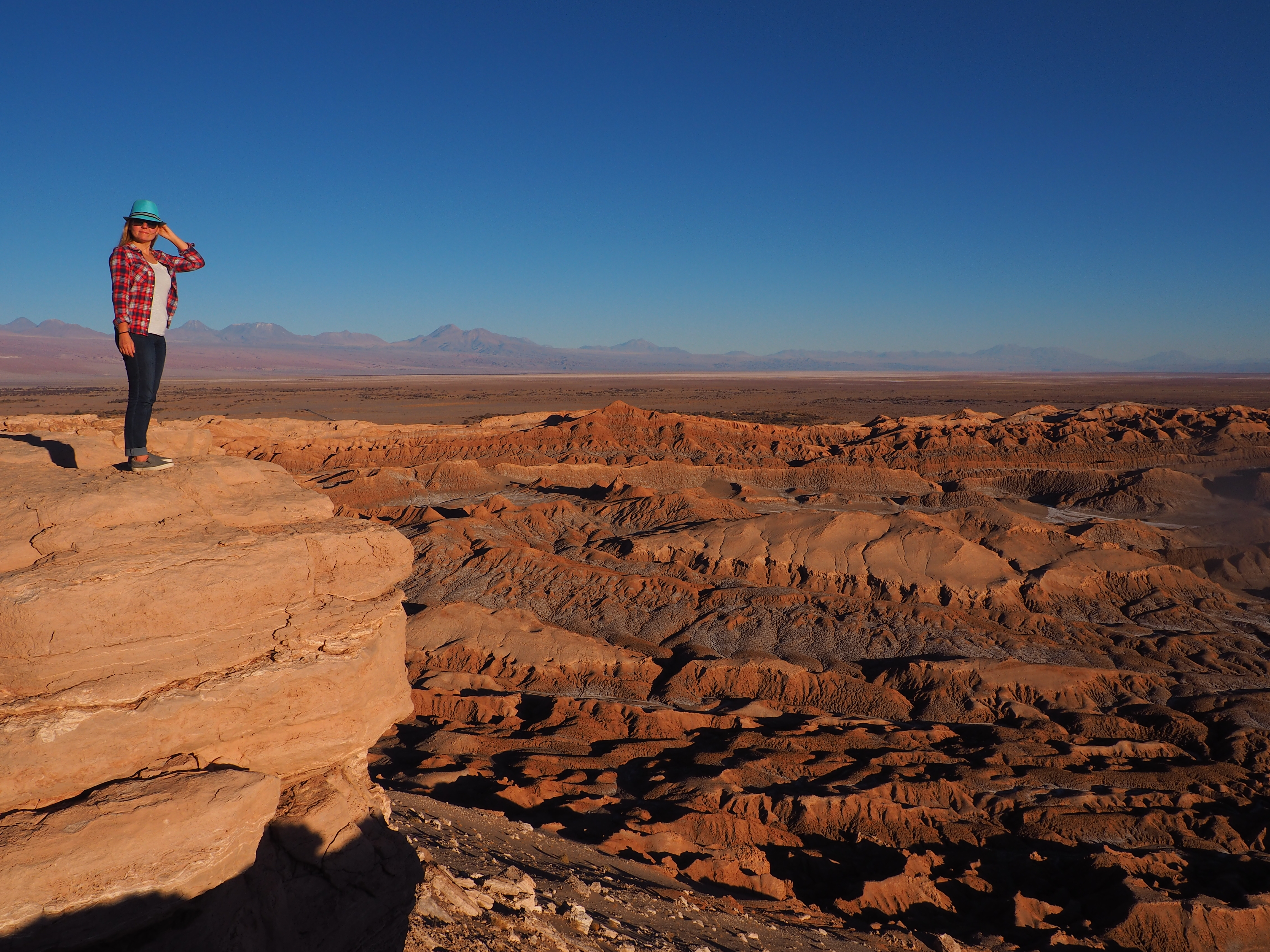
Moon Valley is the most iconic landscape in the Atacama and for good reason: the salt formations, sand dunes, and eroded rock make it look like another planet entirely.
What most tourists get wrong is timing. Midday visits in the blazing desert sun flatten the landscape and drain the experience. Go in the late afternoon and stay for sunset, when the desert shifts through extraordinary shades of pink, blue, and purple. I went there twice during my stay in Atacama (I visited San Pedro many more times though) and once, my photos turned so bright orange that they looked fake. The whole landscape looked like a totally different place.
The park entrance closes at 5pm, so make sure you are already inside before then. Budget at least two hours, though you could easily spend five. It is reachable by bicycle from San Pedro, which I would actually recommend over a car for the experience of cycling through the desert. Again, we went there independently and it is fairly easy to do so, but if you prefer, this tour is a great and inexpensive option.
Practical tips:
- Do not miss the salt cave walk inside the valley
- Entry fee applies, so bring cash
- Bicycle rental is available in San Pedro town and takes around 20-30 minutes to ride there
Valle de la Muerte
Just a short distance from Moon Valley, Valle de la Muerte (Death Valley) is the place to try sandboarding. The dunes here are steep enough to give you a proper run but forgiving enough for first-timers. Even if board sports are not your thing, the landscape alone justifies a visit, the silence and scale of it are genuinely humbling.
Lagoon Cejar
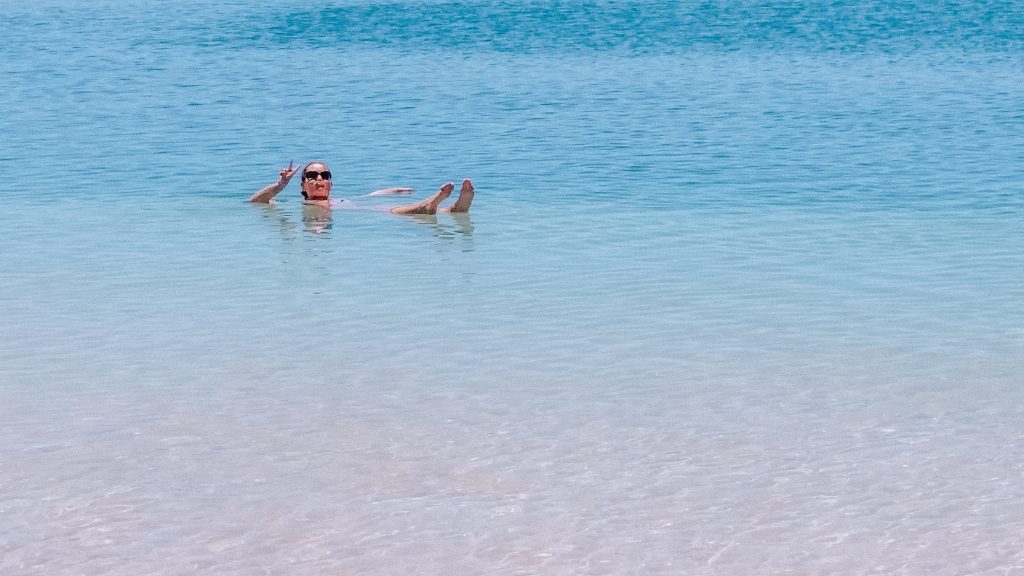
This is one of those experiences that sounds gimmicky until you are actually floating effortlessly in the middle of the Atacama Desert. Laguna Cejar is so salty that the water holds you up the same way the Dead Sea does, you cannot sink even if you try. It is bizarre, peaceful, and one of the most memorable afternoons I had in the region.
You can get there by car, bicycle, or organised tour, the tour option is easier as it typically combines Cejar with other nearby lagoons in a half-day trip. There is an entrance fee, and showers are available on site to rinse the salt off. use them, because dried salt on skin is genuinely uncomfortable.
Lagoon Chaxa and the flamingoes of the salar de atacama
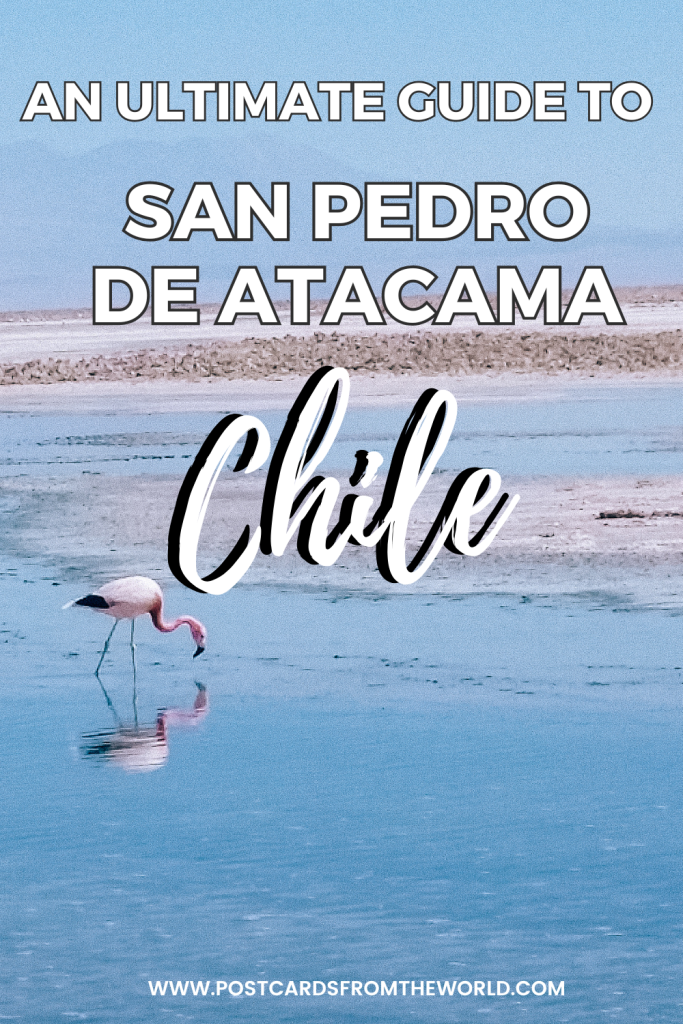
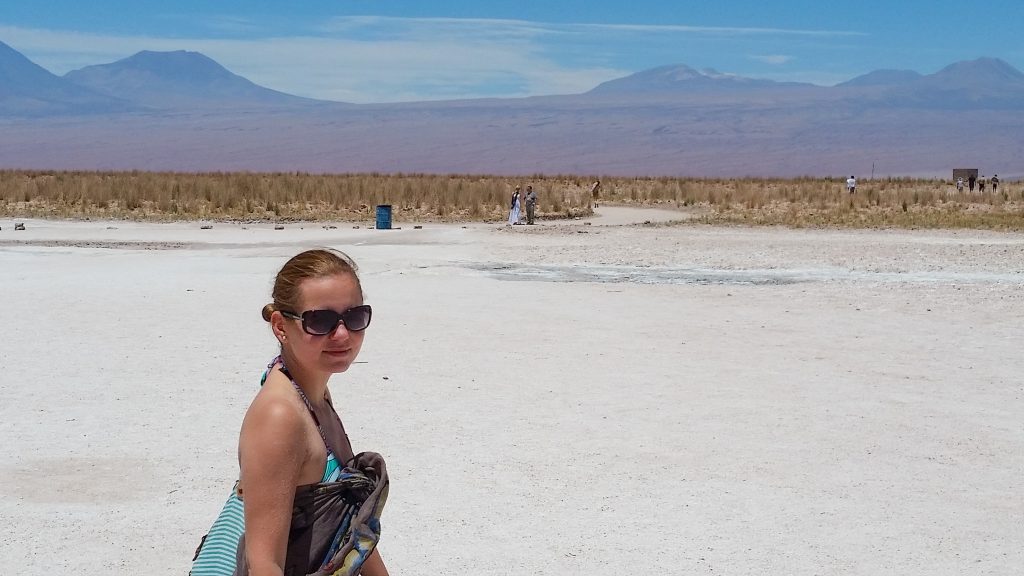
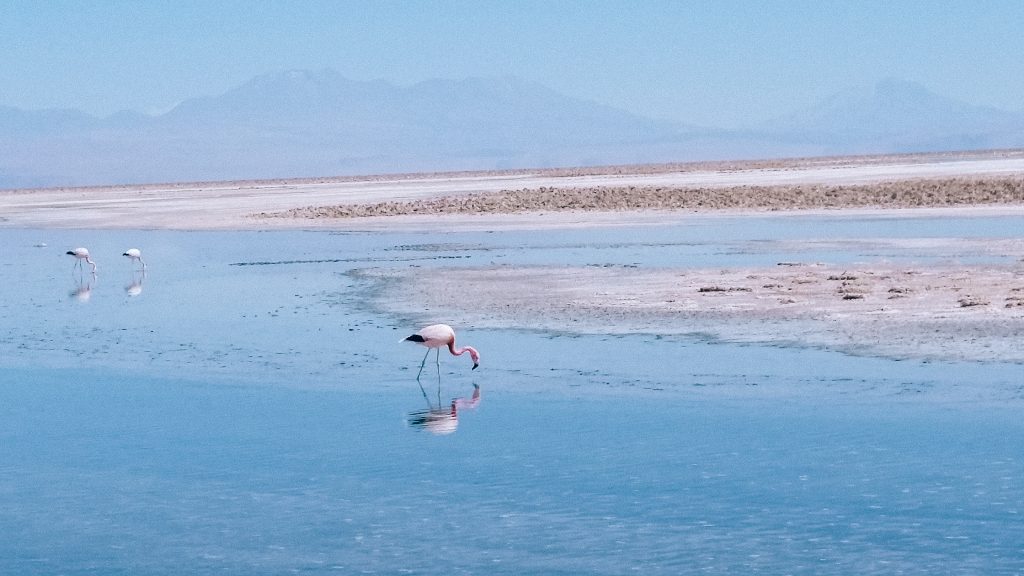
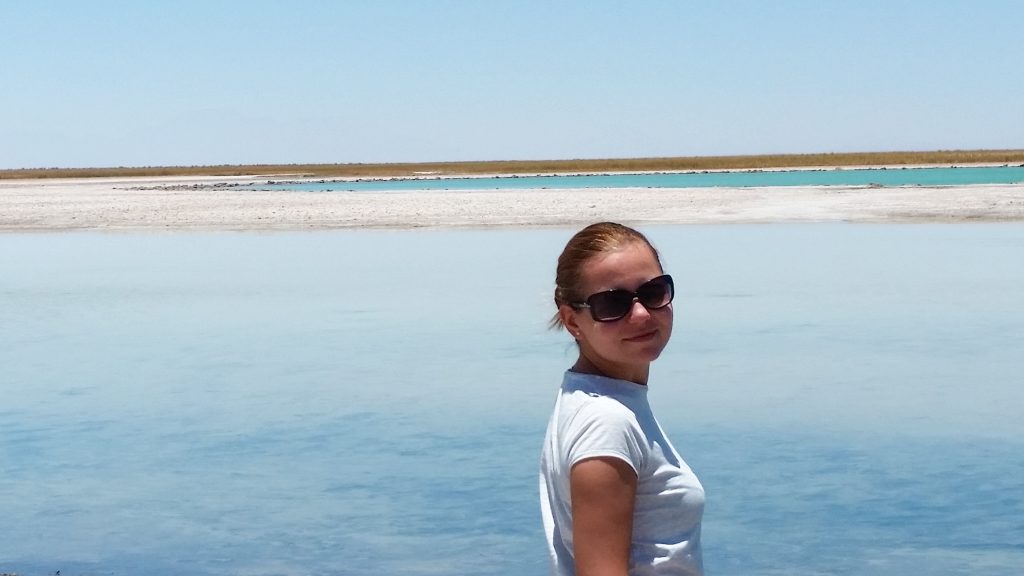
Laguna Chaxa sits inside the Salar de Atacama within the Los Flamencos National Reserve. The water turns a vivid pink from the minerals and flamingos wade through it completely unbothered. It sounds almost too picturesque to be real, but it is. Go in the morning for the best light and quieter crowds.
If you book a full day tour in San Pedro de Atacama, this should be one of the stops.
Astronomic Tour
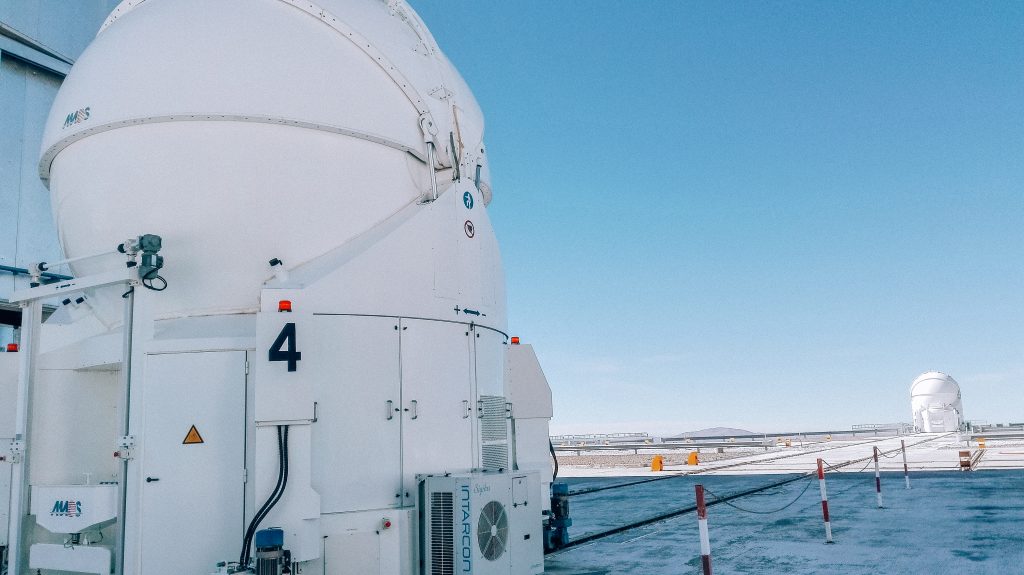
Atacama is home for the biggest observatories on Earth and the reason for that is simple: location that allows to see a big part of the sky that is not visible from the north hemisphere, lack of light pollution and the atmospheric conditions. The skies are clear majority of the year, which gives you a clear image of the sky full of stars. It was also the most perfect place to watch the Blood Moon last year.
In San Pedro, there are organised night tours where you use a professional telescope and an astronomer walks you through what you are looking at, usually with a glass of wine involved. Book one — it is genuinely interesting and well run. But do not make it the only stargazing you do. Spend your evenings outside looking up. It costs nothing and it will stay with you long after the trip is over.
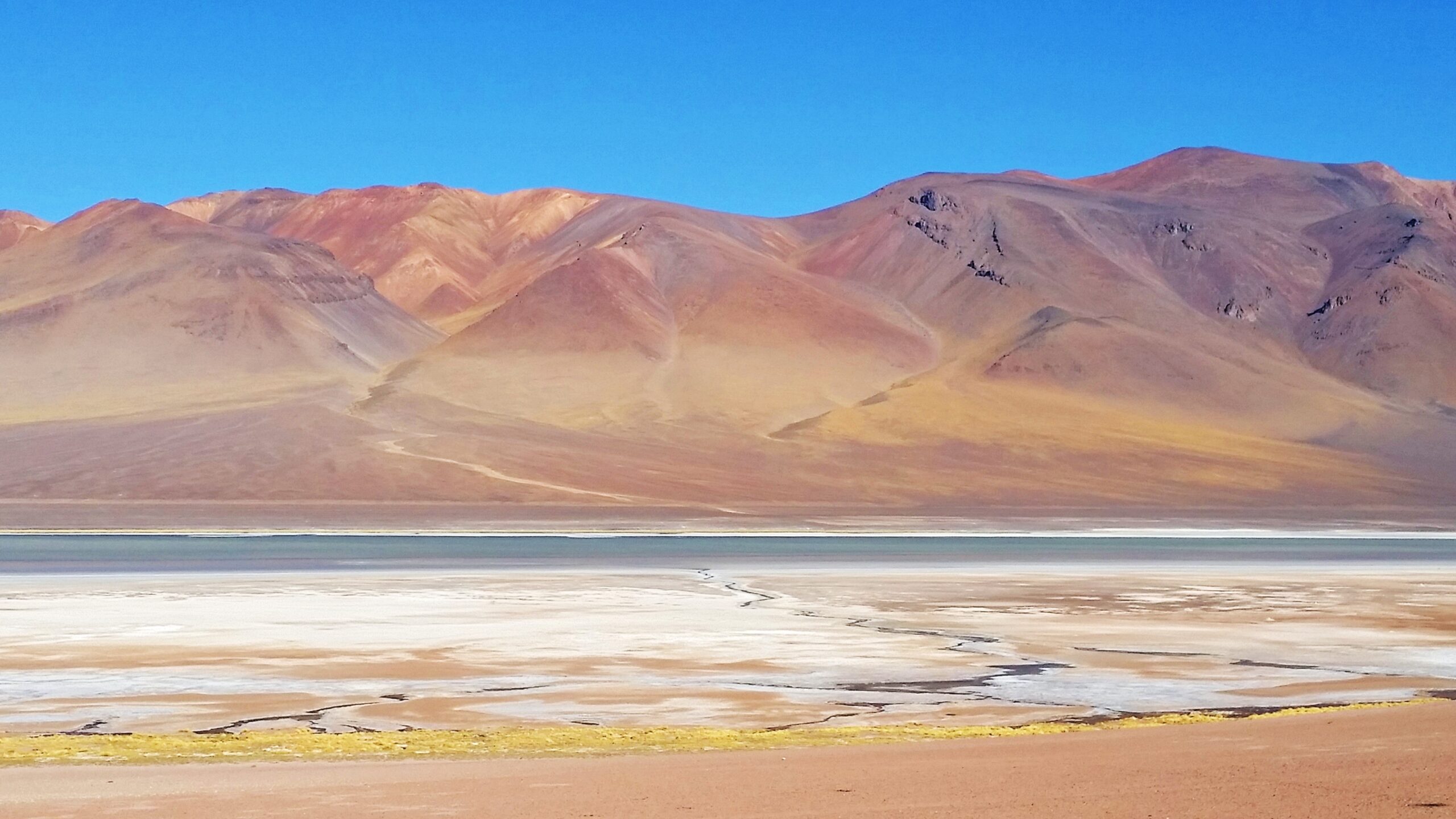
Miscanti and Miñiques Lagoons
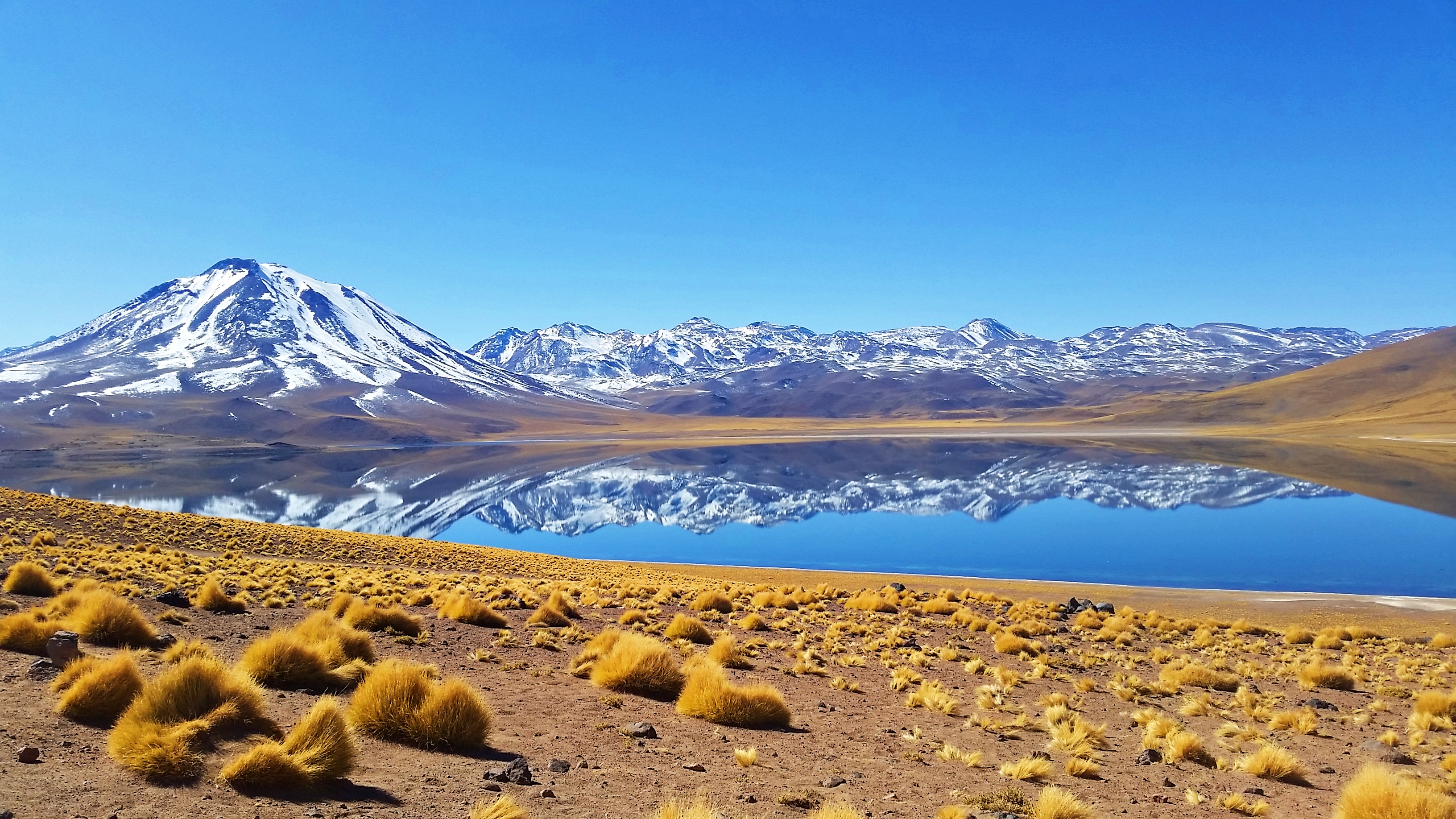
Of everything I saw during my years in the Atacama, these two lagoons are what I remember most. Two high-altitude lakes sitting at over 4,200 metres, perfectly still, flanked by volcanoes, surrounded by nothing.
Photos never do it justice as the scale and quiet of the place is something you have to stand inside to understand. If you only do one lagoon trip, make it this one. Just give yourself at least a day to acclimatise in San Pedro first, the altitude here is serious.
Puritama thermal waters: save it for the end
If you are spending four days or more in San Pedro, Puritama earns its place. Six volcanic thermal pools in a narrow canyon gorge, each at a slightly different temperature. After several days of early starts, high-altitude hikes and bumpy desert roads, soaking in warm water while looking up at the Atacama sky is exactly what you need. I would not rush here on day one, save it for when your legs have genuinely had enough. You can go there by car if you have one or book a transfer.
Salar de Tara: for when you want to go further
Tara is further and less visited than most of the other sites, which is exactly why it is worth considering if you have the time. Remote salt flats, volcanic landscapes, a geological history stretching back millions of years. Pink flamingos picking their way across the edges. The crowds thin out significantly out here, and that changes the experience completely.
Machuca village: empanadas worth a detour
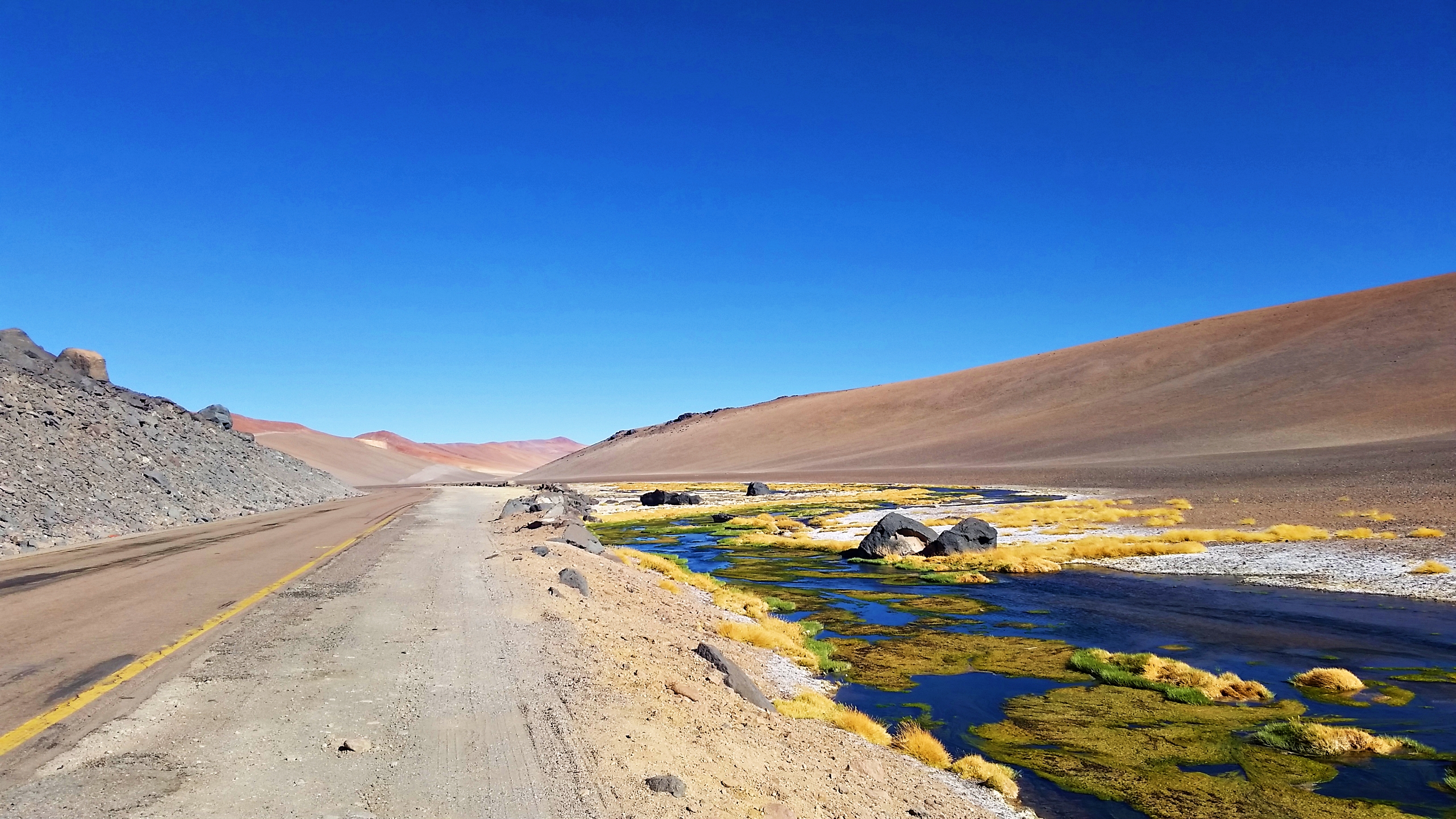
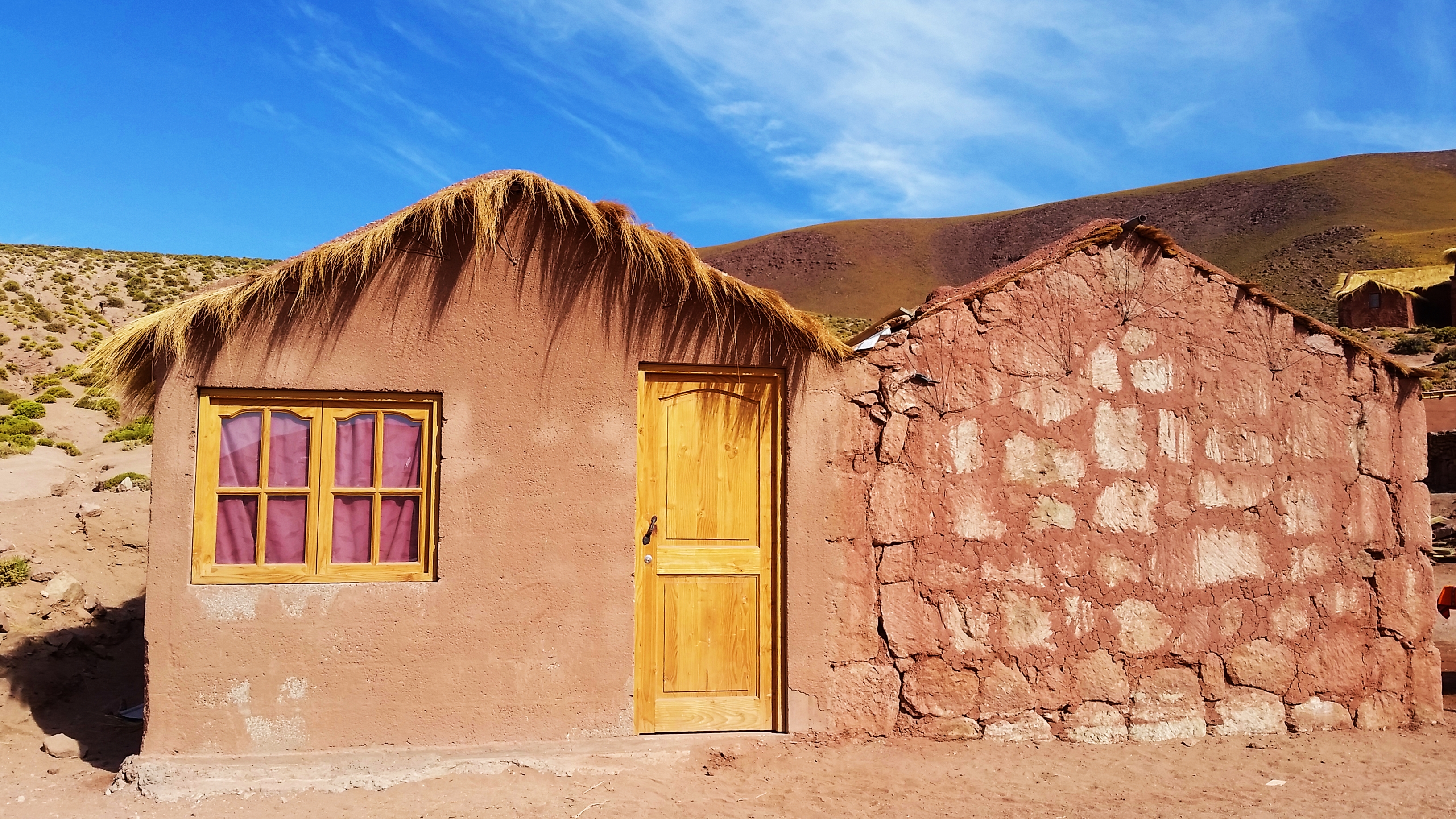
Machuca is a tiny Andean village a short detour from the Geysers del Tatio route. A handful of adobe houses, a small church, a few locals living quietly, and a woman frying empanadas fresh while you wait. I have eaten empanadas all across Chile and these are the best I have had. It takes twenty extra minutes and it is absolutely worth it.
Practical tips for San Pedro de Atacama
When to Go
San Pedro works any time of year. The main thing to plan around is February and March, when the Altiplano winter can bring heavy rain and occasional flash flooding. It usually passes within a couple of weeks but can affect access to some sites. Outside that window, expect sunshine, dry air and cold nights year-round.
December to February is peak season: busy, expensive and worth booking in advance if that is when you are going.
How Long to Spend
Three days covers the essentials. Five days is the sweet spot — enough to do the main sites without rushing and still have time to simply sit in town and do nothing for an afternoon. More than that and you will start repeating yourself unless you are a serious hiker or photographer.
Getting Around
Having a car gives you the most freedom. The road to the geysers and most of the high-altitude lagoons requires a 4×4 and is genuinely difficult to manage independently without one. If you are planning to explore on your own, sort the car hire before you arrive, options in San Pedro itself are limited.
For Moon Valley and Valle de la Muerte, a bicycle is actually the better choice. Most hotels have them available or can point you to a rental in town.
If driving is not for you, tour operators in San Pedro cover every major site and are easy to book. In high season do it ahead of time.
Cash and Budget
San Pedro is not cheap. It is remote and heavily visited, and prices reflect both of those things. Budget accommodation starts at around $20 per night, but luxury options like Tierra Atacama are considerably more.
The ATMs are the single most unreliable thing about the town. They run out of cash regularly, especially over weekends. Withdraw before you arrive, in Calama or another larger town, and bring more than you think you need. Most restaurants and hotels take cards but entrance fees and smaller vendors are often cash only.
Sun, Altitude and Packing
Two things catch people off guard in San Pedro. The first is the sun. You are at altitude in a desert with almost no cloud cover and the UV radiation is extreme. Sunscreen, a proper hat and sunglasses are essential, not optional. The second is the altitude itself, at over 2,400 metres in town and considerably higher at most of the sites. Give yourself at least one full day to acclimatise before attempting the geysers or the lagoons. Drink water constantly, go easy on alcohol for the first day, and do not push through altitude symptoms.
Nights are cold year-round. Pack warm layers regardless of the season.
Use my favourite travel resources to plan your dream trips
- Booking.comfor searching best prices on accommodation.
- AirHelp helps to get compensation for cancelled or delayed flights.
- Travel Payouts is my favourite platform for monetizing the blog.
- Discover Cars is a great website as they search both local and international car hire services, so you can choose the best deal for yourself. Make sure though, that the company has a good reputation and reviews.
- Get Your Guide is my place to go for searching and booking tours and excursions, especially when I travel solo.
- World Nomads and EKTA travel insurance. I like them because they have quite extensive coverage of different activities.
- WeGoTrip sends you audio guides to your mobile, so you can visit places while learning history and interesting facts easily and for little money.
- Go City is a perfect site for booking bucket list experiences and attractions all in one to avoid paying for multiple tickets. Easy and saves money. You can even save 50%.
- Trip Advisor– amazing for good quality recommendations.
- Skyscanner is a perfect website for searching flight routes and comparing prices.
- Airalo is my eSim choice for alternative data abroad.
Where to stay in San Pedro de Atacama
Mid-range
Casa Ckelar Atacama– Do you want a real desert feel in the Atacama? This hotel will give you that. It is decorated with ethnic elements and gives you a lovely view of the Andes.
Naturalis Hotel– Another cute and affordable hotel in a great location where you can get free bikes- perfect for riding around and visiting the Moon Valley without a tour.
Luxury
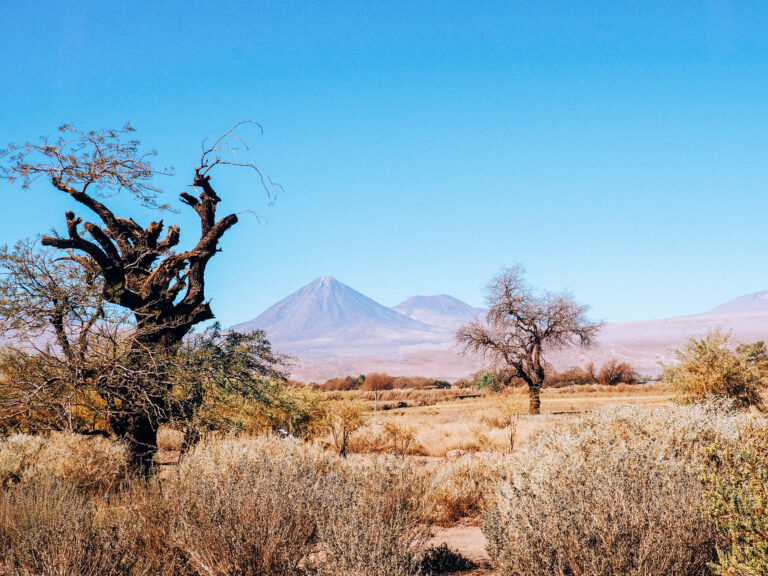
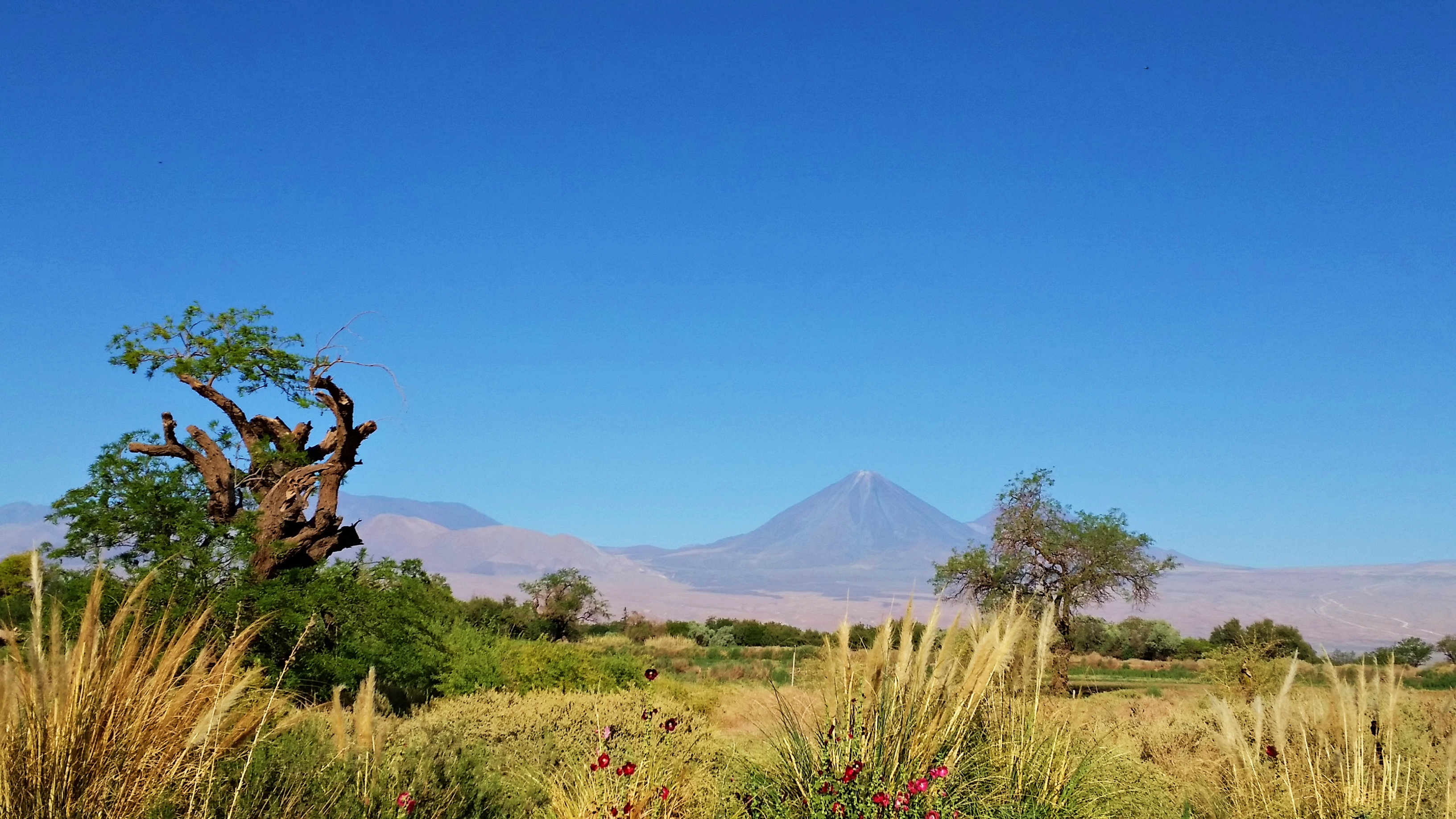
Tierra Atacama– can you see the photo below with the Licancabur in the background? That’s the view you will get from the swimming pool outside the hotel. It is an all inclusive hotel that also provides all the excursions you would like to do. I loved it there.
Explora Atacama– it is another truly luxurious experience in the middle of this funky desert village.
Please let us know if you have any tips and recommendations for San Pedro de Atacama. Thank you for visiting, it’s lovely to have you here.
Did you like the post? Pin it for later: