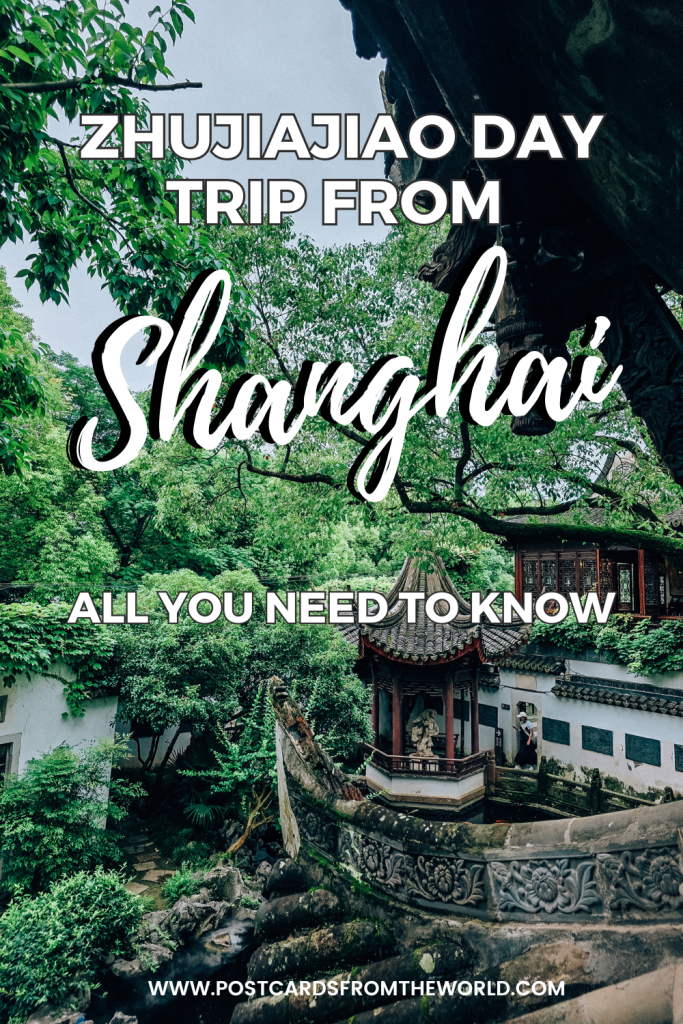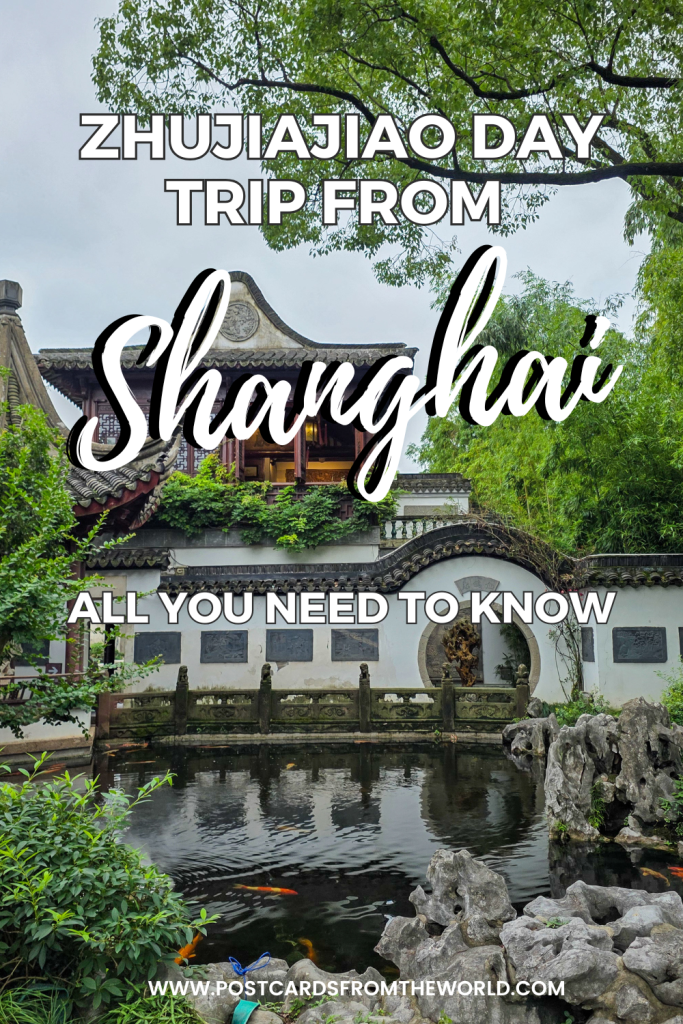
Zhujiajiao Day Trip from Shanghai: From Skyscrapers to Ancient Canals in One Metro Ride
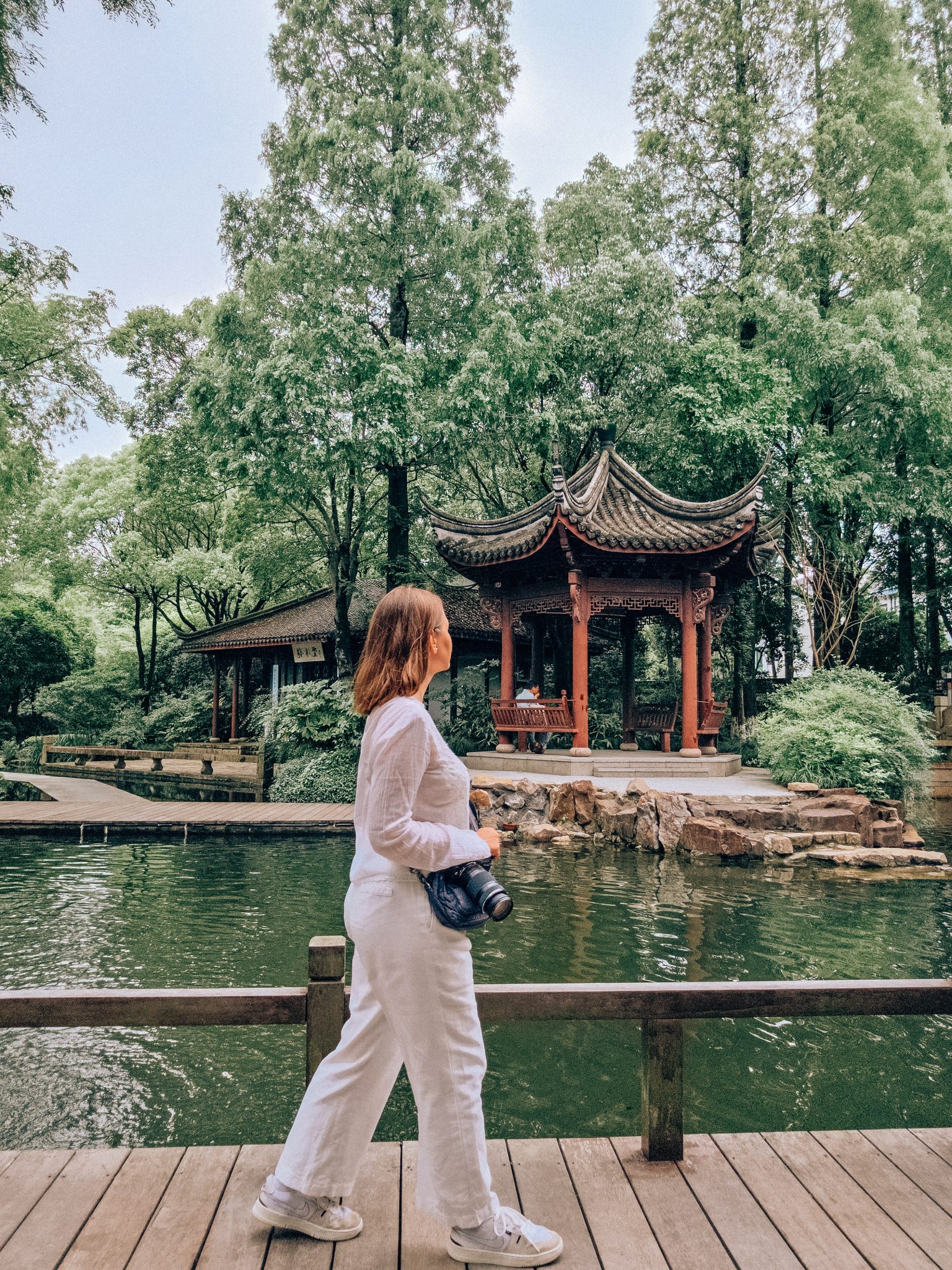
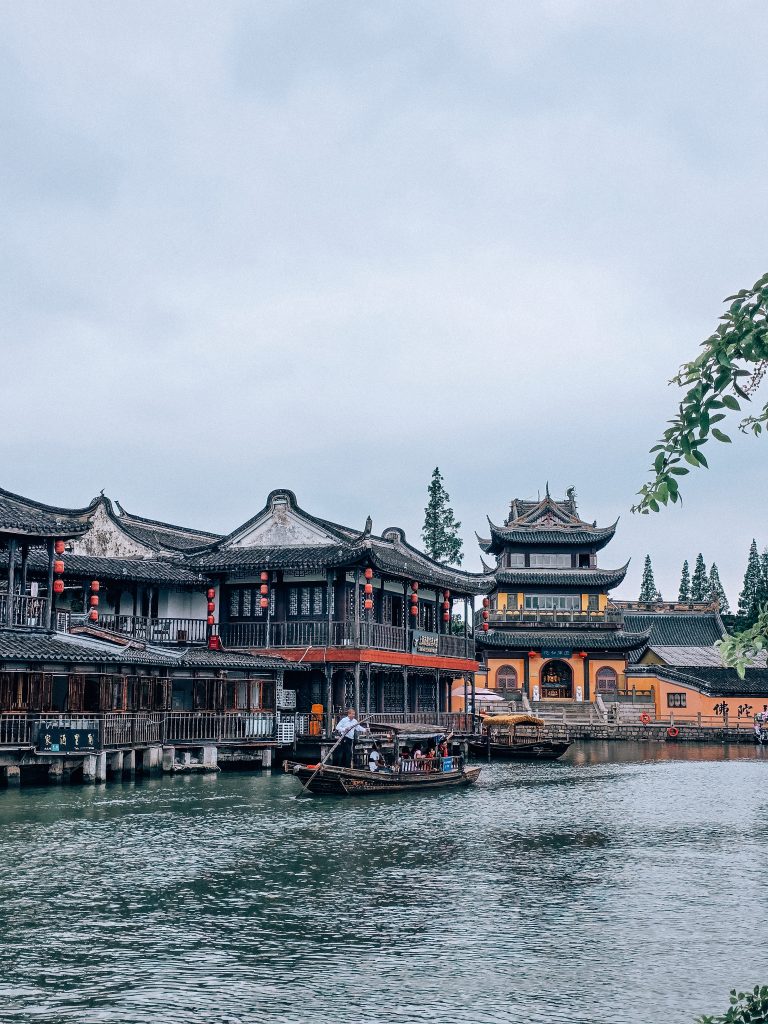
One of the things I love most about China is how dramatically and unexpectedly it shifts. A Zhujiajiao day trip from Shanghai is the perfect example: you can stand on the Bund looking across at the Pudong skyline, one of the most dramatic modern cityscapes on earth, and an hour later find yourself walking along a canal flanked by Ming and Qing Dynasty houses, crossing stone bridges that have been there for centuries, watching the same slow rhythms of water-town life that have barely changed in a thousand years.
That’s Zhujiajiao. And it’s one metro ride from central Shanghai.
If you’re visiting China for the first time and your itinerary centres on Beijing and Shanghai, as mine did, adding Zhujiajiao as a half-day excursion is one of the best decisions you can make. It doesn’t ask much of you in terms of time or logistics, but it delivers something neither city can: a genuinely different China, quiet, ancient, and unhurried, that makes the whole trip feel more complete.
Disclosure: Please note that this post included affiliate links, when you decide to purchase anything through these links I get a small commission at NO extra cost to you, it helps me to keep running this blog! I only promote products and services I use or would use myself. All images are the property of Postcards from the World and cannot be used without permission.
Why it’s worth adding to a short China trip
If your trip is focused on Beijing and Shanghai (like my itinerary), you’re spending your days in two of the most modern, densely urban environments on the planet. Both are extraordinary. But China is also a country of ancient towns, slow rivers, traditional architecture and a completely different pace of life that the two cities don’t give you access to.
Zhujiajiao gives you that in half a day, and from a base in Shanghai, it costs you almost nothing in terms of time or logistics. So if you are someone, who works incredibly hard and has limited vacation days, you want every day count. That ratio of effort to reward is genuinely hard to beat.
How to get there independently
Going independently is not difficult. I did it myself and would recommend it over a group tour for anyone who wants to move at their own pace, which for a place like this is entirely the point.
By Metro (recommended): Take Metro Line 17 to Zhujiajiao Station. From central Shanghai, the journey takes roughly 50 to 60 minutes depending on where you board. From the station, it’s approximately a 15 to 20 minute walk to the entrance of the town. The walk is straightforward and well-signposted. This is exactly what I did, and it’s genuinely simple, but verify the metro details before you go, in case something changes.
By bus: A tourist bus operates from Shanghai Stadium (Gate 5) in the mornings, and there’s also a small pink bus from Pu’an Road Bus Station. The journey takes around an hour and costs approximately 12 yuan – slightly slower than the metro but very cheap. Personally, I wouldn’t chose this option.
By taxi or Didi: From central Shanghai, expect to pay around 200 yuan each way. More expensive than the metro, but useful if you’re travelling with luggage or prefer door-to-door convenience.
By organised tour: If you’d rather have transport and a guide included, Klook has several options ranging from half-day small group tours (around US$80) to private full-day experiences that combine Zhujiajiao with Yu Garden or other Shanghai sights.
My honest recommendation: go independently on the metro. The journey is simple, the savings are significant, and arriving under your own steam feels more in keeping with the unhurried spirit of the place than stepping off a tour bus.
See also:
- Where to Stay in Seoul for First Time: Best Neighborhoods and Hotels for Every Style
- 10 Days in South Korea in Spring: The Complete First-Timer’s Itinerary
- All you need to know about renting a hanbok in Seoul: a comprehensive guide for first timers
- 1 day in Macau: what to see and how to get there from Hong Kong
- Visiting the Forbidden City and Tiananmen Square in beijing: Everything You Need to Know
- Travelling to China for the First Time: Why Beijing and Shanghai Should Be on Your List
- Hiking the Great Wall at Jinshanling: Why I Chose the Crowd-Free Section (And What to Expect)
- 3 Days in Beijing for First Timers: An Honest Guide to China’s Ancient Capital
- 4 Days in Shanghai: The City That Surprised Me More Than Beijing
- Xuyan Shanghai Immersive Tang Dynasty Banquet Review: The Most Unforgettable Evening in China
Entry and tickets
Entering the village itself is completely free. You can walk in, wander the canal paths, cross the bridges, browse the market stalls and explore the main streets without paying anything.
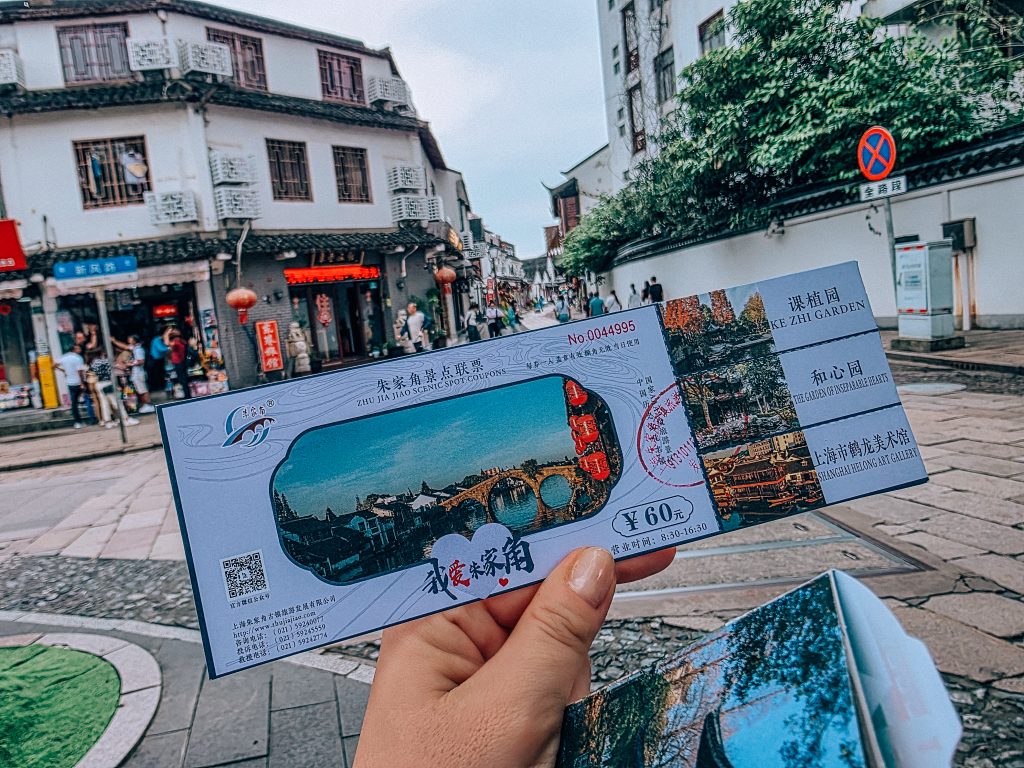
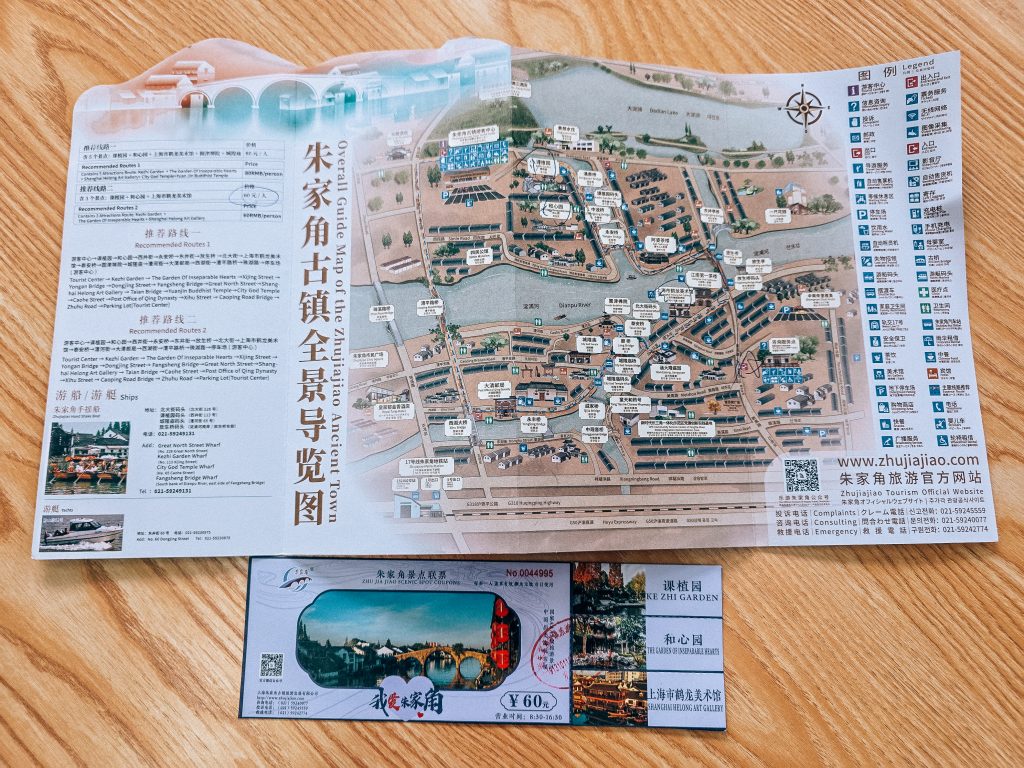
However, to enter some of the historic buildings and attractions within the town, a paid ticket is required. I bought a combined ticket at the entrance covering three attractions, which is the most practical option. Attraction tickets cost approximately ¥30 to ¥80 depending on what’s included, and combined tickets covering multiple sites offer better value than buying individually.
The main ticketed attractions worth knowing about:
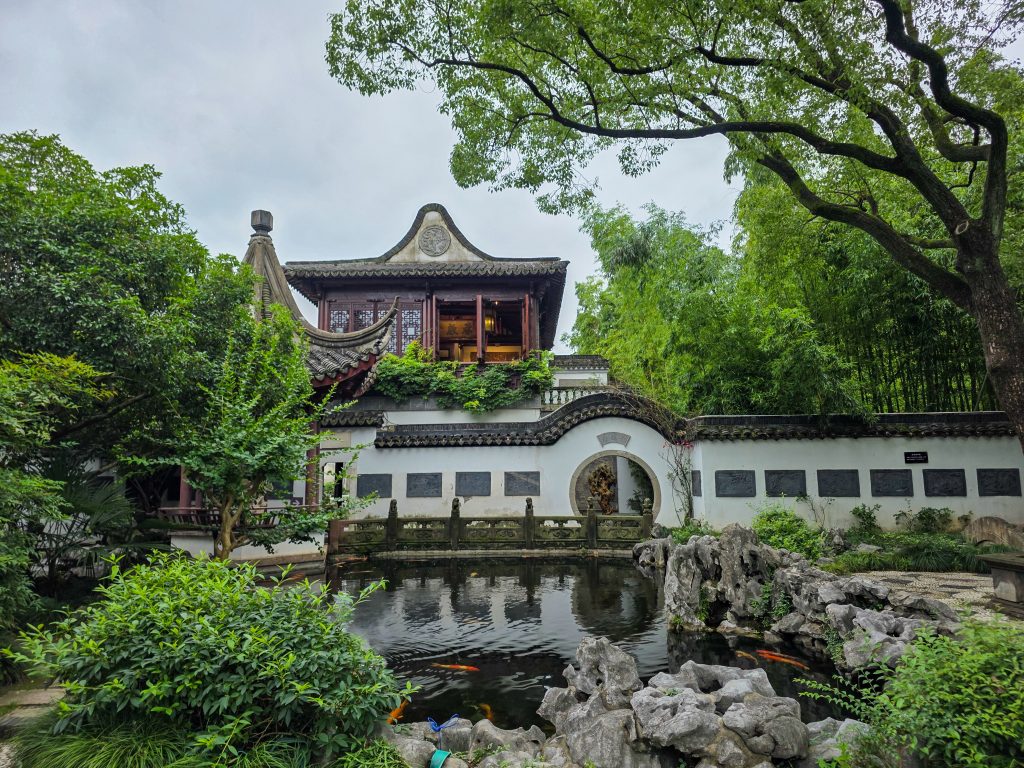
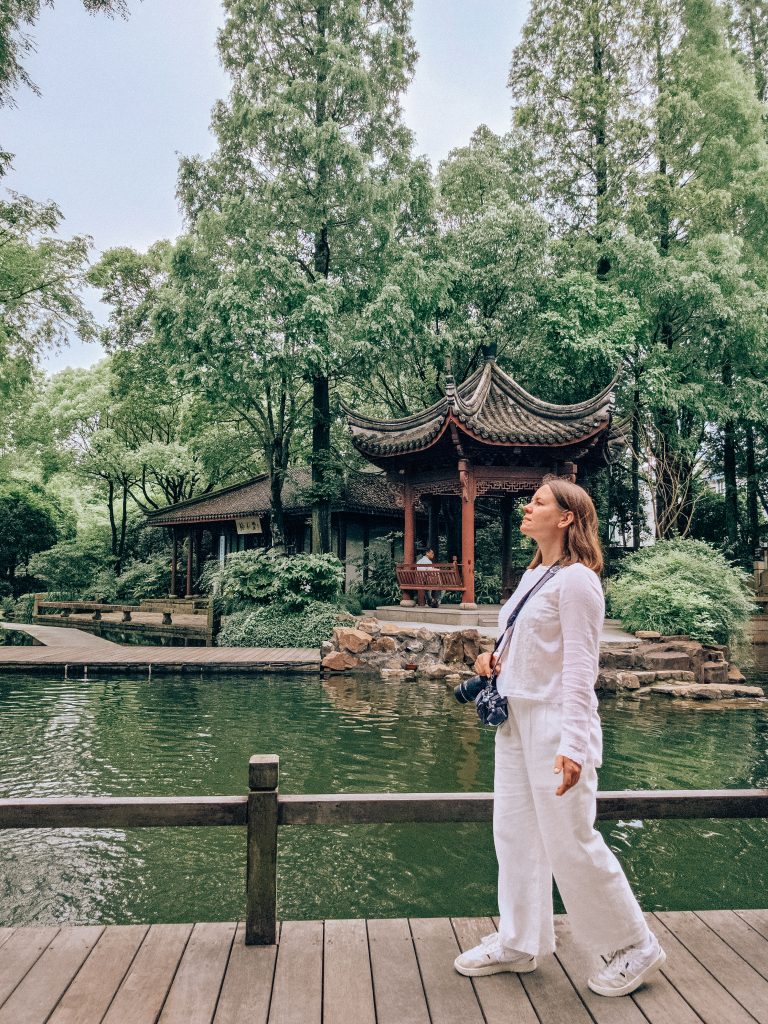
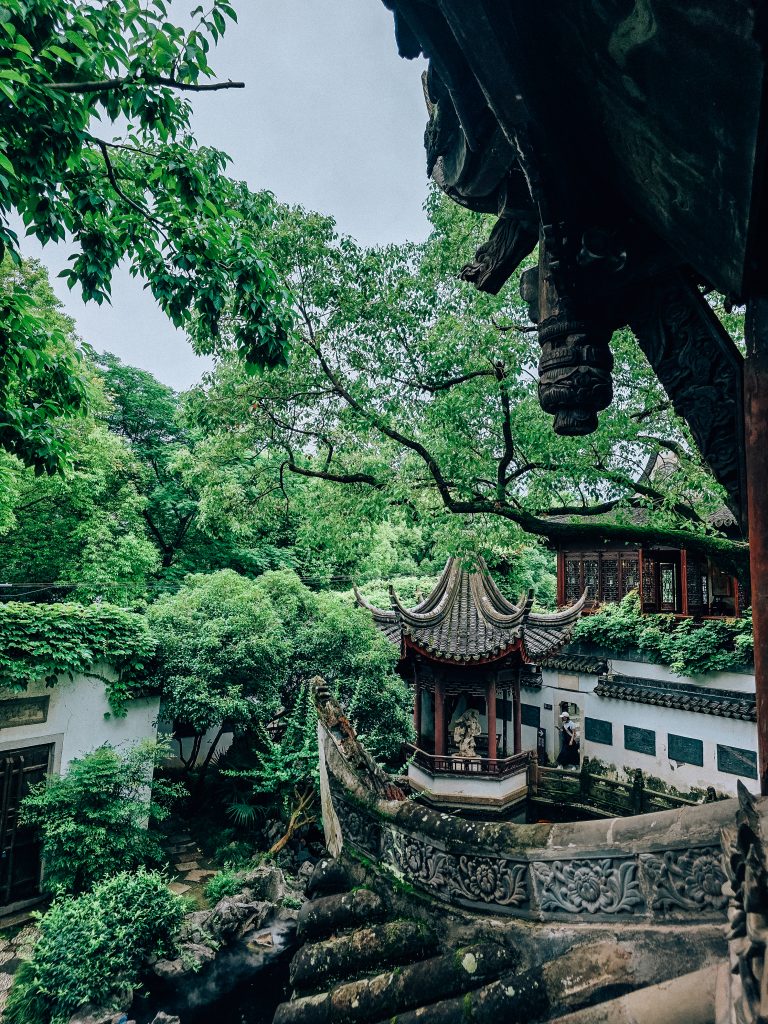
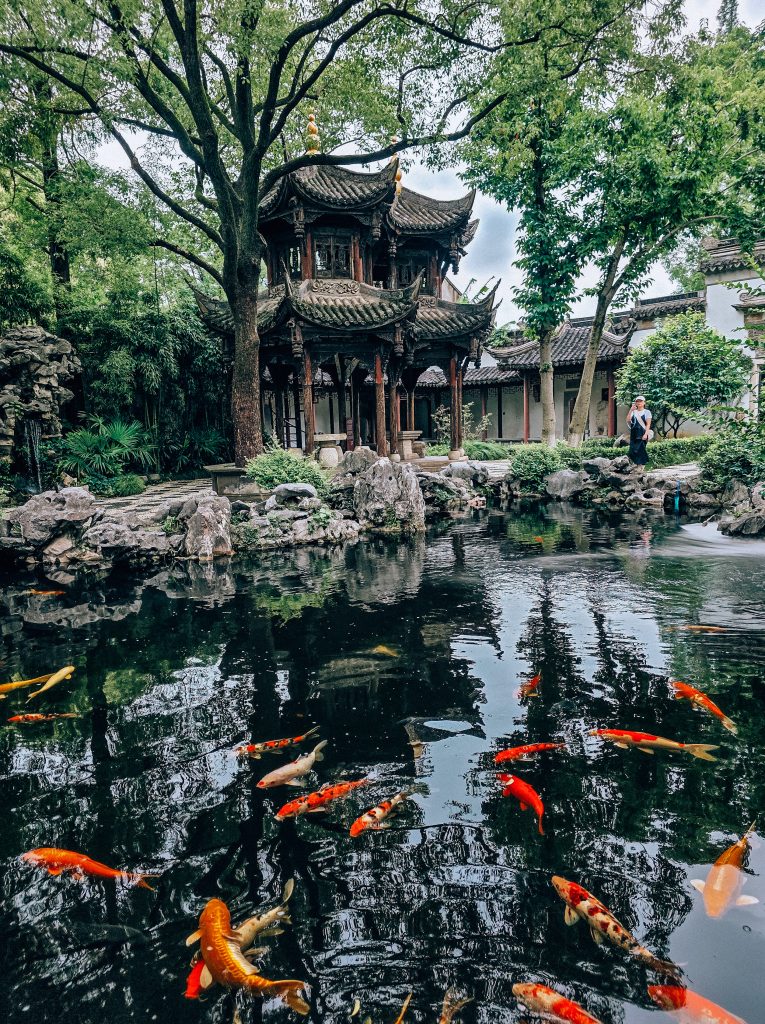
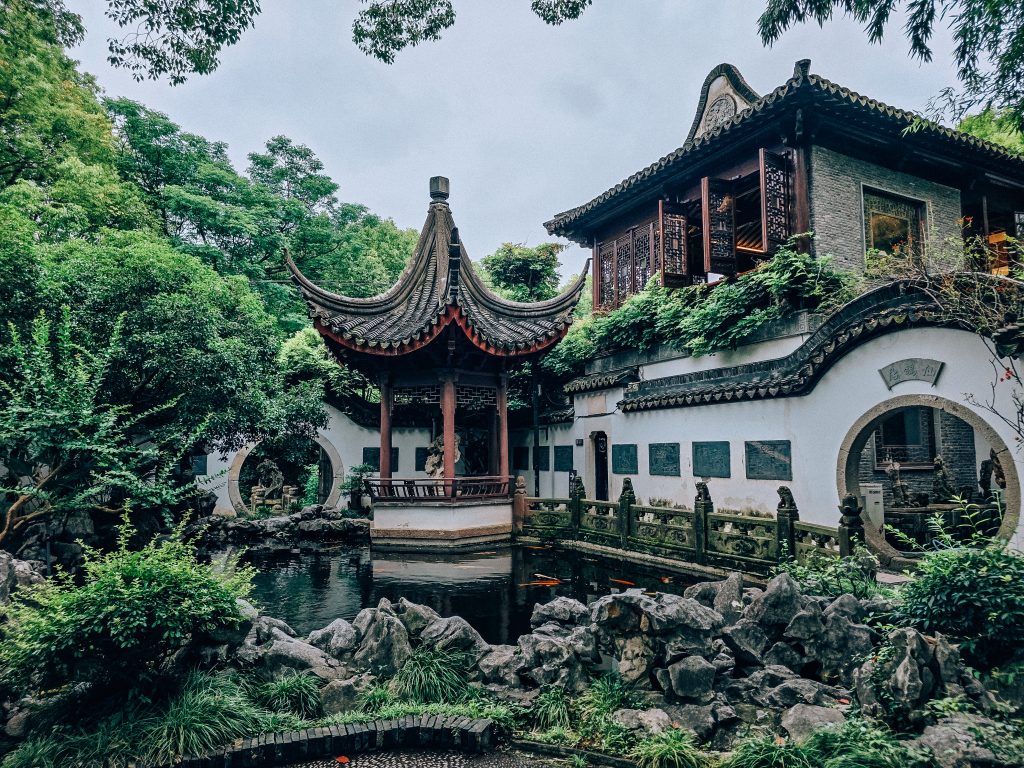
- Kezhi Garden — a classical Chinese garden dating to the Ming Dynasty, one of the better-preserved examples in the Shanghai region.
- The Garden of Harmonious Hearts — a smaller traditional garden, pleasant for a slow wander.
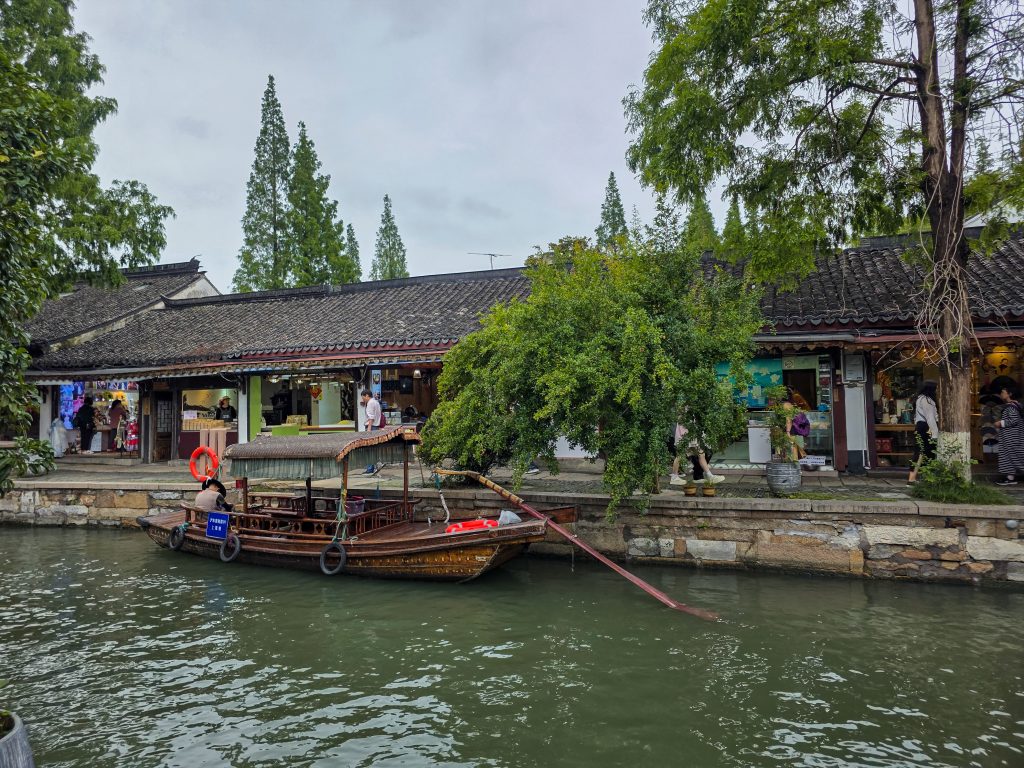
- Boat ride on the canal — not included in the combined ticket but bookable separately at the dock. Boats seat five adults, and the fare runs around 80 yuan per boat (not per person), so if you can share with other people the cost drops significantly. Worth doing if you have time, seeing the town from the water gives you a completely different perspective.
What to see and do in Zhujiajiao
Zhujiajiao is a small village, but there are quite a few things to see. When you get your ticket, you’ll get a small map as well, so it is pretty straightforward to find all the attractions.
- Fangsheng Bridge — Start here. This five-arched stone bridge is the most photographed landmark in the town and gives you the widest, most dramatic view along the canal. Go early or late in the day for fewer people and better light.
- The canal paths — Walking along the main canal through the town is the experience itself. There’s no single destination to tick off; the pleasure is in the wandering, the reflections in the water, the old buildings leaning slightly over the edges, the occasional boat moving quietly underneath you.
- The historic streets and alleyways — Away from the main canal, the town’s older residential streets are worth exploring. The further you get from the entrance area, the quieter and more local it feels.
- Market stalls and local food — The streets around the entrance are lined with vendors selling local snacks, including zongzi (sticky rice wrapped in bamboo leaves), freshly made rice cakes, and various street food specific to the Jiangnan region. I didn’t stop to eat during my visit, but the food looked good and smelled excellent.
- Cafes and restaurants — There are several cafes and restaurants within the town if you want to sit down properly. The canal-side spots offer the best atmosphere.
- Rickshaws — If walking becomes too much from the metro to the village, rickshaws are available within the town. Agree on the price before you get in. I did not use them as I love walking and it wasn’t even that far.
How long do you need?
A half-day is entirely sufficient. I spent a few hours wandering at my own pace, saw everything I wanted to see, and returned to Shanghai in the early afternoon with the rest of the day ahead of me. If you want to add a canal boat ride, sit down for lunch, and explore the quieter residential streets properly, give yourself three to four hours on the ground.
It doesn’t need to be a full-day commitment, and that’s part of what makes it such an easy addition to a short Shanghai itinerary.
When to go
Weekdays are significantly quieter than weekends. You need to keep in mind that many places are full of local tourists. I haven’t seen that many foreigners there, but it was really busy with Chinese. If your schedule allows any flexibility, going midweek transforms the experience: the canal paths are peaceful, the bridges aren’t crowded, and the town has a unhurried feeling that’s harder to find on a busy Saturday when tour groups arrive in numbers.
I visited during my June trip to Shanghai and the weather was warm and slightly humid, consistent with Shanghai in summer. Morning visits are more comfortable in the heat. Spring (April to May) and autumn (September to October) are the most pleasant weather windows, and autumn in particular is beautiful when the surrounding vegetation turns colour.
Planning your China trip? Read my 4 days in Shanghai guide for the full city itinerary, my complete guide to travelling to China for the first time for everything practical you need to know before you land, my 3 days in Beijing guide for the capital, and my hiking the Great Wall at Jinshanling post for the most memorable day outside the cities.
Use my favourite travel resources to plan your dream trips
- Booking.com for searching best prices on accommodation.
- AirHelp helps to get compensation for cancelled or delayed flights.
- Travel Payouts is my favourite platform for monetizing the blog.
- Discover Cars is a great website as they search both local and international car hire services, so you can choose the best deal for yourself. Make sure though, that the company has a good reputation and reviews.
- Get Your Guide is my place to go for searching and booking tours and excursions, especially when I travel solo.
- World Nomads and EKTA travel insurance. I like them because they have quite extensive coverage of different activities.
- WeGoTrip sends you audio guides to your mobile, so you can visit places while learning history and interesting facts easily and for little money.
- Go City is a perfect site for booking bucket list experiences and attractions all in one to avoid paying for multiple tickets. Easy and saves money. You can even save 50%.
- Trip Advisor– amazing for good quality recommendations.
- Skyscanner is a perfect website for searching flight routes and comparing prices.
- Airalo is my eSim choice for alternative data abroad.
Did you like the post? Pin it for later: