
First Time in Chile: The Essential Guide to Planning Your Perfect Trip
If it is your first time in Chile, welcome to one of the most extraordinary countries on the planet. I say that having lived there for nearly four years, explored almost every corner of it, and still felt like I barely scratched the surface. Chile is 4,300 km long, stretching from the driest desert on Earth in the north to glaciers and fjords in the south, with volcanoes, lakes, vineyards, Pacific beaches and some of the most dramatic landscapes anywhere in between. It is a country that requires a little planning and rewards it enormously.
Here is everything I wish someone had told me before I arrived.
Disclosure: Please note that this post included affiliate links, when you decide to purchase anything through these links I get a small commission at NO extra cost to you, it helps me to keep running this blog! I only promote products and services I use or would use myself. All images are the property of Postcards from the World and cannot be used without permission.
What you should know before your first time in chile
Visas
If you are a citizen of South America, the European Union, the United States, Canada or Australia, you do not need a visa to enter Chile as a tourist. Most nationalities receive a stamp on arrival valid for 90 days, with the option to extend once for an additional 90 days from within the country.
Since September 2025, some countries now require prior authorisation even for short stays, so if your nationality is not on the straightforward visa-free list, check with the nearest Chilean consulate well in advance of your trip.
Always verify the current requirements before you travel as visa policies change. The official Chilean tourism website is the most reliable source. Overall, I found Chile to be one of the most complicated countries when it comes to crossing the border and I have a priveliged passport.
Currency in Chile
The official currency of Chile is the Chilean Peso, with the code CLP. In stores and restaurants prices are shown simply as “$” which can be confusing at first, but always double check whether you are looking at pesos or dollars.
Credit cards are widely accepted across Chile, but cash is still essential for rural areas, local markets and smaller towns where card payments are unreliable or unavailable. ATM fees in Chile can be high, so withdraw larger amounts less frequently rather than making multiple small withdrawals.
The best exchange rates are found at casas de cambio in downtown Santiago rather than at airports or hotels. If you are arriving from abroad, exchange a small amount at the airport to cover immediate costs and find a better rate once you are in the city.
You must know that Chile is not a cheap country. Be prepared for that from the start and budget accordingly.
Tipping culture in Chile
Tipping is common in Chile. A 10% tip is standard in restaurants, taxi drivers do not typically expect tips though rounding up the fare is appreciated, and tour guides are generally tipped around USD 10 per day.
One thing I learned after several months of living there: the tip is almost always included as an optional line on the bill and you are given two totals. It is your choice whether you add extra or not. If you pay with a larger note and do not specify your intentions, waiters will often assume the change is a tip. Worth knowing before your first restaurant meal.
However, I always felt, at least most of the time, that the tip was not deserved. And I lived in Chile for nearly fours years. The service, in general, was not very good. Even in shops, the staff would not help me (like allowing me to see a handbag from a top shelf) if I did not commit to buying it first without looking at this properly.
Vaccinations
Not knowing enough about vaccine requirements caused me some problems in the past, so it is always important to check it out what vaccinations you need well in advance. Fortunately, there is no medical tests or vaccines required before entering Chile.
Earthquakes
Earthquakes are frequent in Chile. Most are just temblors that locals barely notice, but if you are experiencing your first ever tremor it can be scary. My first experience of a 5.2 magnitude shake was not particularly pleasant. Stay calm, observe what locals are doing, and follow their lead. They have been living with this their entire lives and will know immediately whether it is worth paying attention to.
Chile is one of the best prepared countries for earthquakes, especially that it is a daily occurrence. We had an earthquake and tsunami drill every year and the locals know what to do. They don’t panic like in some other countries. Besides, most if not all new buildings are earthquake resistant.
Electrical plugs
Chilean plugs have three round holes in a triangular arrangement. You will need an adaptor for most European and North American devices. Some two-pin plugs fit, but many do not. Buy an adaptor before you arrive rather than trying to find one on the ground.
When to go to Chile
Every season in Chile offers something different, which is both the joy and the challenge of planning a trip to such a long country.
The south, including Patagonia and Torres del Paine, is best between November and April. Winter in the south is cold and some trails close, though it has its own dramatic beauty.
The middle of Chile, including Santiago and the wine valleys, is most pleasant in spring and autumn. Santiago in summer can be brutally hot and the city does not handle it gracefully.
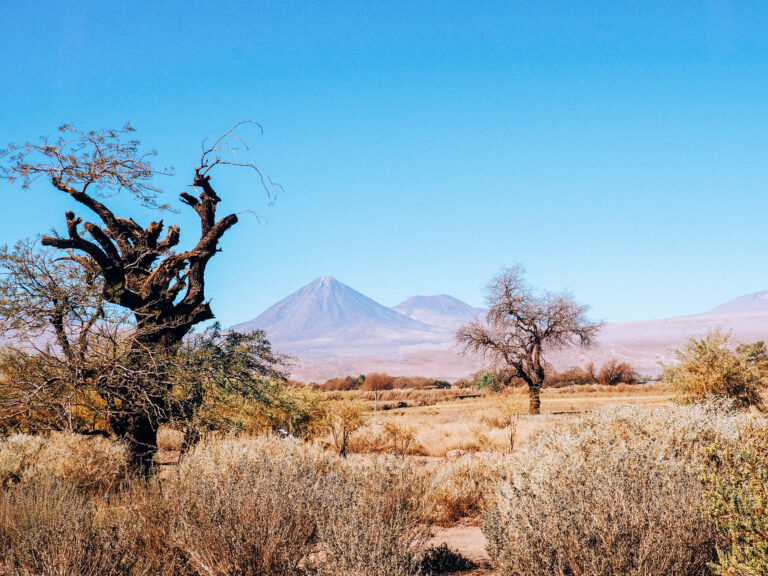
The north, including the Atacama Desert and San Pedro de Atacama, can be visited any time of year. Even in summer the Atacama feels cooler than Santiago. Winter temperatures are pleasant in the lower areas, though high altitude sites like El Tatio and the altiplanic lagoons get very cold regardless of season.
February and March in the far north can bring the Altiplano winter with heavy rain and occasional flash flooding. It passes quickly but is worth factoring into your timing.
Health
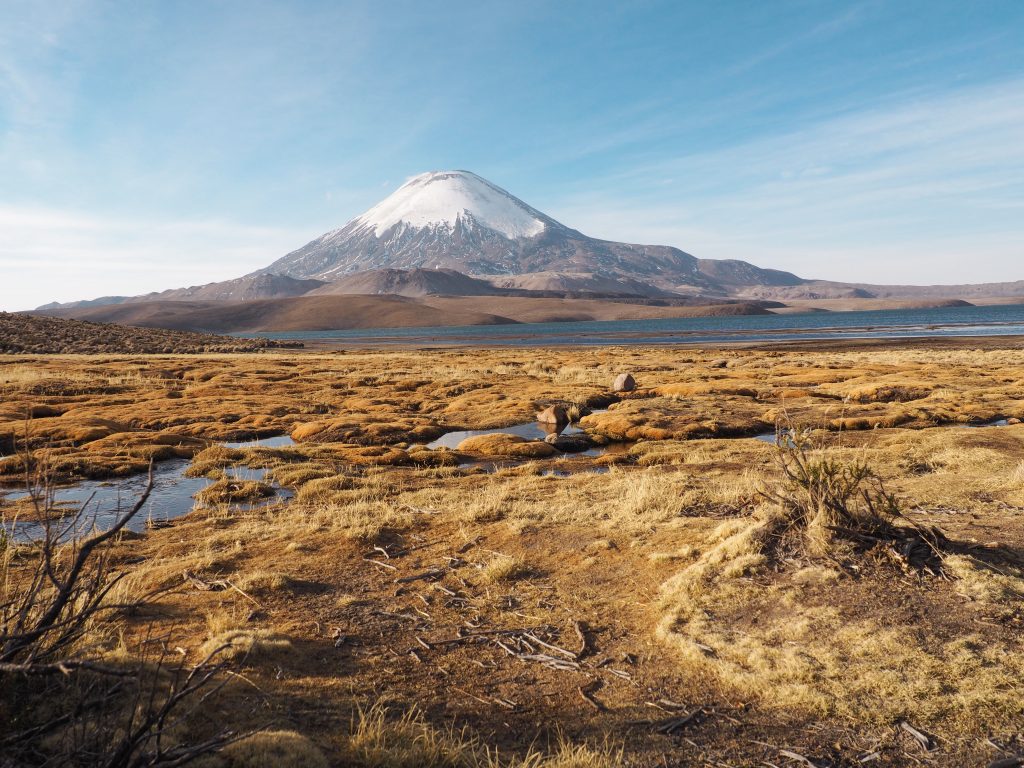
Altitude is the biggest health consideration if you are heading to the Atacama or the Andean regions. Many of the best sites sit above 4,000 metres. Give yourself time to acclimatise, drink water constantly, avoid alcohol for the first day at altitude, and do not push through symptoms. Read my full guide to surviving altitude sickness before you go.
👉 Read my guide to altitude sickness here
Sun is a year-round concern in Chile, particularly in the north. The UV radiation at high altitude in the Atacama is extreme even when it does not feel particularly hot. Sunscreen, a hat and sunglasses are not optional anywhere north of Santiago.
Safety in cities requires the usual awareness. Cases of drink spiking and express kidnapping have been reported in Chile, so exercise the same degree of caution you would in any major South American city. Santiago is generally safe in the main tourist and residential areas but stay aware of your surroundings, particularly at night and on public transport. I did not have any unpleasant situations living in Antofagasta, although I remember one time, that there was a shooting on the street (however I did not witness it).
Travel insurance is essential. My recommended provider is World Nomads, which covers a wide range of activities including hiking, water sports and adventure activities that other policies often exclude.
Bringing food into Chile
Chile has a strict biosecurity policy on bringing food and plant products into the country. You must declare everything on the Agricultural and Livestock Service form provided on arrival. Failing to declare a product is a serious offence and you risk confiscation and potentially very high fines. Some items like sealed chocolate are generally fine but check the current rules before you pack anything food-related.
Language
You do not speak Spanish? You will manage, but it will help enormously to learn at least the basics before you go. Not many Chileans outside the main tourist areas speak English, and even native Spanish speakers from other countries find Chilean Spanish challenging at first. It is fast, heavily accented, drops the endings of words, and uses slang that exists nowhere else. Think of it like going to Scotland for the first time when you only know textbook English. Charming, occasionally baffling, and entirely worth the effort of engaging with.
👉 Read my guide to speaking Chilean Spanish here
How much time do you need to see the country
Chile is 4,300 km long and distances are enormous. Three weeks gives you enough time to cover the main highlights without feeling completely rushed. Here is a rough breakdown:
- Santiago and Valparaíso together deserve around four days. You will not explore either in depth but you will get a strong feel for both. However, I must admit that Santiago wasn’t my favourite place and I would rather explore other areas longer.
- San Pedro de Atacama and the north requires at least eight days. The Atacama alone justifies four days and the distances between the best sites are significant. There is so much to see there.
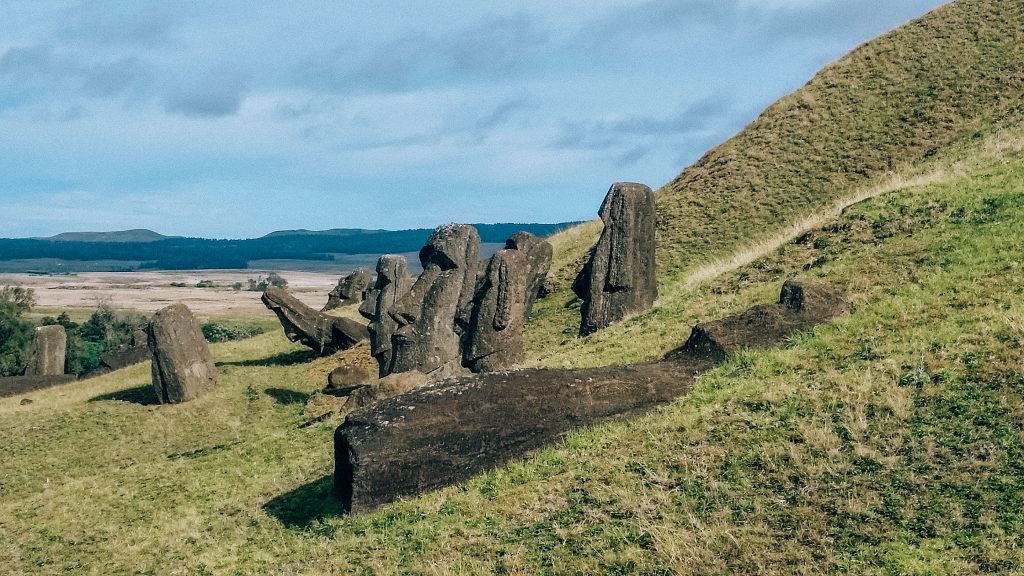
- Easter Island needs four days. The flights are expensive and the journey is long. Do not rush it.
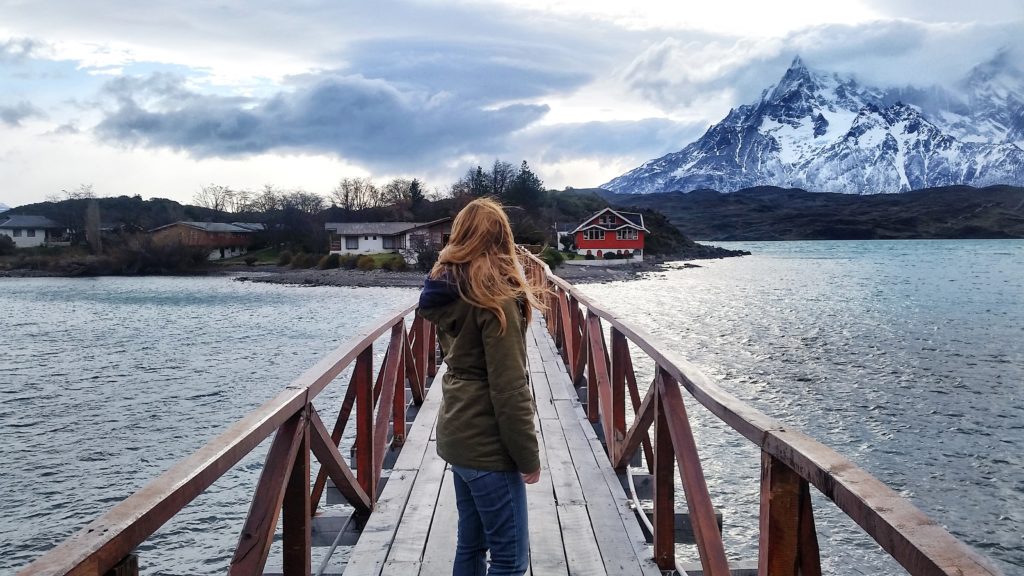
- Patagonia and Torres del Paine deserve at least a week, more if you want to do any serious trekking.
If you want to do everything properly, a month is more realistic than three weeks. And if you add winter sports, sandboarding, kayaking or any serious hiking, add more time on top of that.
See also:
- Getting high? 8 tips how to survive high altitude sickness.
- An ultimate guide to Geyseres del Tatio in the Atacama- a wonder at high altitude.
- Things to Do in Atacama Desert: 15 Experiences Worth the Trip
- A road trip around Chiloé island in Chile: charming churches, whales and more.
- Where to See Penguins in Chile: Caleta Buena and Other Spots Worth Knowing
- A Guide to Valparaíso, Chile: The Most Colourful City in South America
- So you say you speak Spanish? A little guide to speaking Chilean language.
- One Day in Antofagasta: What to See in Chile’s Overlooked Desert Capital
- Road Trip to Lago Chungara: The Complete Guide to Chile’s Most Dramatic Drive
- An ultimate guide to Geyseres del Tatio in the Atacama- a wonder at high altitude.
Accommodation in Chile
Chile is not cheap and accommodation reflects that. A simple room in a mid-range hotel can cost what you would pay for something considerably nicer in Europe. That said, the standard is generally good. I never stayed in a filthy room in Chile, which is more than can be said for some other countries I have travelled through.
The Tierra chain of hotels across Chile, including Tierra Atacama and Tierra Patagonia, represents some of the finest accommodation in the country. The prices are high but the locations and experience are exceptional. We went a couple of times to Tierra Atacama hotel and it is truly amazing.
moving around Chile
Flying is the quickest option for covering long distances. LATAM is the main carrier for domestic routes and has frequent connections between Santiago and the main regional airports. Book in advance for the best prices.
Buses are significantly cheaper and cover almost every corner of the country. Night buses between major cities are comfortable, well equipped and a good way to save both money and hotel nights. I travelled by bus in Chile only a couple of times and I did not really like it. Besides, staying at bus stations at night was a bit scary, as there are no comfortable facilities in many cities.
Driving is how I explored most of the country and it is by far the most rewarding way to travel, particularly in the north and in Patagonia. The freedom to stop when something catches your eye, take detours, and reach places that buses simply do not go is worth the cost of the rental many times over. So if you can, rent a car. Driving around Chile is not that difficult.
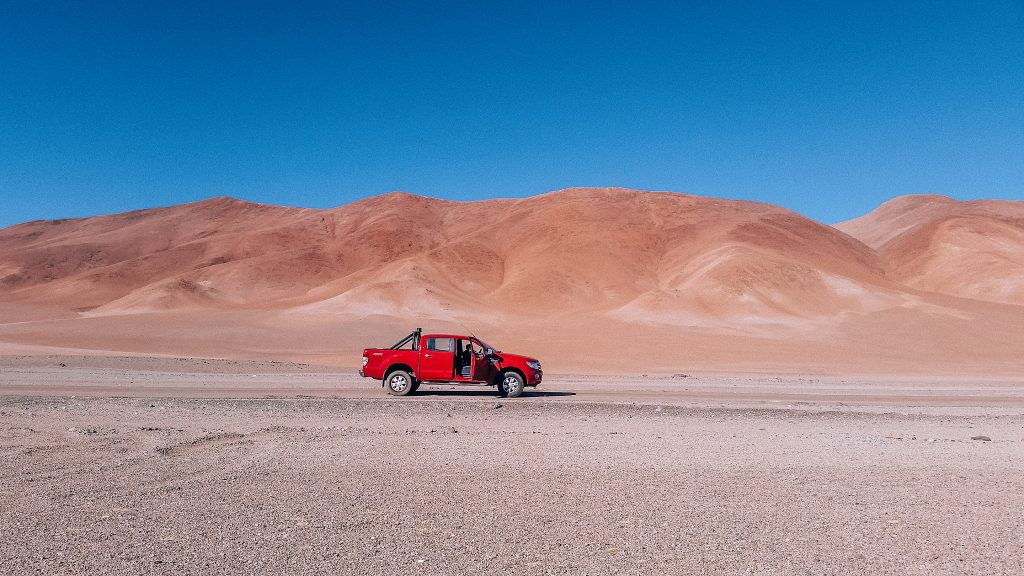
A few things to know about driving in Chile. Drivers are generally calm and reasonable compared to many other South American countries. However, petrol stations in the north can be very far apart. During my years in Atacama I drove stretches of 400 km without seeing a station. Fill up at every opportunity and do not assume there will be another one soon. Carrying a spare wheel is strongly advisable on unpaved roads in the north, where the salt crystals on the salars can shred a tyre without warning. Always have water and a blanket in the car, particularly in remote areas.
Public transport connects the main cities well but does not reach the remote corners that are often the most worthwhile. In the Atacama particularly, buses will get you to San Pedro but not to the places worth going.
Use my favourite travel resources to plan your dream trips
- Booking.comfor searching best prices on accommodation.
- AirHelp helps to get compensation for cancelled or delayed flights.
- Travel Payouts is my favourite platform for monetizing the blog.
- Discover Cars is a great website as they search both local and international car hire services, so you can choose the best deal for yourself. Make sure though, that the company has a good reputation and reviews.
- Get Your Guide is my place to go for searching and booking tours and excursions, especially when I travel solo.
- World Nomads and EKTA travel insurance. I like them because they have quite extensive coverage of different activities.
- WeGoTrip sends you audio guides to your mobile, so you can visit places while learning history and interesting facts easily and for little money.
- Go City is a perfect site for booking bucket list experiences and attractions all in one to avoid paying for multiple tickets. Easy and saves money. You can even save 50%.
- Trip Advisor– amazing for good quality recommendations.
- Skyscanner is a perfect website for searching flight routes and comparing prices.
- Airalo is my eSim choice for alternative data abroad.
Have you traveled to Chile? What would you add to that list, so others can benefit from? Don’t keep it to yourself and share it with fellow travelers. All lovely tips and ideas are always much appreciated.
Did you like the post? Pin it for later:


I found it funny that the Spanish is a little different there. I liked the example of Scotland’s English.
What an IMPORTANT fact to know, that there are very few petrol stations! Wow, I am one who likes to have my gas tank half full at all times. I think this place just might make me nervous.
I lived in Santiago for 6 years and highly recommend the Turistik city tour – it is a little pricey but well worth the money for this hop-on/off guided tour of the city’s top tourist sites.
Several observations are that you need to tip for several things – the grocery bagger, the parking lot attendant, and of course restaurant waiters.
When driving you cannot turn right on red unless it is indicated that you can. You must also be careful because pedestrians always have the right of way…even if you have a green light.
Temperatures are more bearable in the summer because it cools off significantly at night…so be sure to bring a sweater for summer evenings.
Be sure to try the Chilean specialty of Pastel de Choclo – similar to Shepherd’s Pie but with corn instead of potatoes…delish! Another summer corn dish is Humitas, corn tamales eaten with sliced tomatoes on top. Fresh bread is available everywhere and is eaten with pebre, a mixture of cilantro, peppers and onions sometimes with a spicy red Chilean sauce. Fresh juices are also widely available, but a must-try is the “frambuesa” or raspberry juice.
The most fun celebration of the year in Chile is Dieciocho, Chilean Independence Day, September 18. Many parks will have week-long celebrations with “asados”, cookouts, rodeos, fairs, parades, and dancing the Chilean “cueca”…a definite cultural experience.
Thank you very much for so many great tips! Much apprectiated.
You should also advice about thiefs, picpocketers and the likes, do not were anything flashy or new( specially shoes) jewelry , watches… we had bad experiences
Hi Veronica, thank you for stopping by and giving us tips. Sorry to hear you had bad experiences, I haven’t had any like that during the whole year in Chile and I must say that do not know many people that had. I wish you only good experiences while traveling.
Thank you very much for amazing tips! Nicely Drafted 🙂
Interesting to read some background. I’ve had the Chilean Fjords on my mind for a few years, but still need to get there 🙂
omg thank you! I love that this post is so informative! Everything I need to know in one place!
I’ve travelled 3 weeks in Chile and I really enjoyed this country 🙂 Chile is really a stunning destination, and has an amazing culture and cuisine that should be experienced. You can visit the driest place on earth, the Atacama Desert… but also trek to glaciers in Torres del Paine ! Your post includes really useful and informative tips. And I fully agree with you on the fact that even native Spanish speakers struggle with understanding Chileans !
Great post with so much helpful info. I’d absolutely love to visit.
Wow, your photos are stunning — you totally convinced me to go to Chile through the photos alone! Good to know the drivers aren’t as crazy as other countries. That’s one of the things that stresses me out most when I travel.
Hey!, i don’t really know how i got here but anyway… I’am Chilean, i’ve lived here my entire life so here are some tips if you are planning to come to this beautiful country of ours:
-The best season to come to Chile, in terms of climate, is either Autum (March-June) or Spring (September-December).
-Be aware of picpocketers, specially in downtown Santiago or downtown Valparaiso/ Viña del Mar. They are crowded places so the bastards are abundant.
-If you go to popular places or events, if they notice you are foreigner they will problably treat you better than the average chilean, but they’ll probably try to charge more money than usual. Be aware of these kind of people, they are the less but they exist, specially if you go somewhere were prices are not listed.
-Tipping is extremly usual, it’s not politically correct to leave a place where they serve food without leaving a tip. It is optional but in restaurants the tip is integrated into the bill as a 10% of your final price. You can tell the waiter/waitress you don’t wan’t to pay a tip but you’ll probably be seen as a cheap person.
-We use a 220 V outlet of electricity. So if you have something that it is design for less voltage it will probably burn. You have to buy a transformer. We use type c outlets and rarely type f (google them if you don’t know them).
-Santiago has a pretty well organized subway system. This is not the case for buses. If you wan’t to move quikly prefer the subway (Santiago it’s the only city with a subway system).
-If you really wan’t to learn about our history, culture and nature, take at least a month, month and a half to explore the entire country. We are thin but freaking long so make sure you have time to explore all of the diferent things we have to offer. I mean, even i don’t know all of Chile, and i’m 21.
-Take time to know the locals, interact with them (it is better if you know spanish of course or have someone to translate, not a lot of us speak english). We are usually pretty friendly, but do not aproach us if you see us in a hurry… You’ll probably get insulted or ignored. Know our night life, we seem pretty boring in the day but once the night comes, we can get pretty crazy, specially on weekends haha.
-We are really patriotic, we love our country and love to talk about it, specially to foreign people. Sometimes we criticize a lot and we seem a bit pessimistic, but i belive it is because we want our country to grow better every day.
-The lack of petrol stations it’s an issue when you go into the desert, so be careful there. It is okay troughout the rest of the country tho.
-Try our national beverages, we have great wine and our national liquor “pisco” (wich peruvians say it’s theirs but anyway hahahaha) i’ts just amazing.
-If you wan’t to try great national dishes at a fair price, go to “juan y medio” or “la casa vieja” (this last one is a little bit more expensive) in Santiago. Great food. (I’m from Santiago so i can’t give you a lot of references to other cities)
Anyway, hoped it helped :D, have a good one visiting our country.
Hi Vicente. Thanks for all the tips. I am sure they will be helpful to the readers.
Excellent post Anna!
I have lived in Chile for 3 years. I took the opportunity during those 3 years to meet Chileans (locals), to learn from them and learn about their culture.
– It is true that Chileans are boring (los chilenos somos “fomes”, like they say).
– Generally speaking, the nicest Chileans, the nicest food in Chile and the nicest landscapes you will find them in the South of Chile (Los Lagos region, Torres del Paine and Punta Arenas are a must). Apart from the South Chile, Santiago and Valparaíso, Easter Island and San Pedro de Atacama are a must for someone visiting Chile.
– In Santiago (Chile is not just Santiago but everything happens in Santiago, ie: you can not fly from Antofagasta to Punta Arenas with Latam on a direct flight. You will have to stop in Santiago) there are pickpocketers but there are more homeless dogs than pickpocketers. In fact, you will find homeless dogs all over Chile. This is a lack of education problem they have. Chileans generally don´t take care of animals.
– Although Chile has more than 5,000 kilometres of coast, there are not nice beaches in Chile. Some exceptions could be Viña del Mar, Reñaca, La Serena, Pan de Azúcar, Iquique, Bahía Inglesa or Playa La Virgen. Beaches in Chile are usually very dirty. Chileans generally don´t have the habit of tidying up behind.
– Food is very simple in Chile. Chileans are very proud of “completo” which is a hot dog with avocado paste on top. They are also proud of pebre (tomato, coriander, chili pepper and fresh onion salsa). They are also very proud of “marraqueta” which is basic white bread which remains crispy 2 hours the most. The best food in Chile you will find it in Peruvian restaurants.
– Drinks. Wine is very good in Chile. The Spaniards introduced in Chile the tradition of planting vineyards and making wine. Chileans continued this Spanish tradition, now they have very good wines and they have been able to save some European grape variety like carmenere (Chileans can not export to the European Union wine with carmenere designation of origin since European regulations protect France).
Pisco. Let´s stick to history, thus, to facts. Pisco was invented by the Spaniards in the Virreinato del Perú, they started to produce this schnapps (“pisco”) in Perú in the city of Pisco and surroundings during the XVI century. Later, in the XVIII century, Chile started to produce similar schnapps in the region of a village named La Greda, later called La Unión and later, in the XX century renamed as Pisco de Elqui in order to allow Chileans (with this trick) to say their schnapps could also be named pisco since it was originally from Pisco de Elqui (hahaha). Gabriela Mistral, a Chilean poet who won the Nobel Prize for Literature, expressed her disagreement over this change of name (this business trick) and hoped that one day Chile would restore the previous name of La Unión to this Chilean village.
Wow! I’m Chilean and I’m really surprised at how accurate this is! Haha. Chile is great! Lately we’ve been have a rough time with protests, but don’t let this discourage you! Though, I would recommend you to study Chilean Spanish thoroughly before coming here (I’ve spoken Chilean Spanish my whole live and I still don’t understand everything when someone speaks too fast)
Come visit us! Haha. The more tourists we have, the less amount of native forests get chopped down. Why? Because locals start protecting nature if they realise its valued and paid for by foreigners, and that it is more convenient than planting exotic trees to make paper.
Hi Renata, I lived in Chile for nearly three years, such an experience and so many beautiful places to visit. And you are totally right about learning Chilean Spanish before, at least a few main phrases, otherwise, it’s hard to understand people. I actually wrote another post just about that after my failures and struggles to know what people say.